
- Home
- DescriptionNews
Consult a doctor for choosing kidney disease treatment types
An expert urges patients with chronic kidney disease to consult doctors when choosing the types of treatment.
Since February 1 last year, the National Health Security Office (NHSO) has implemented a new policy to allow patients with chronic kidney disease to choose the types of treatment under the doctors’ guidance.
.jpg)
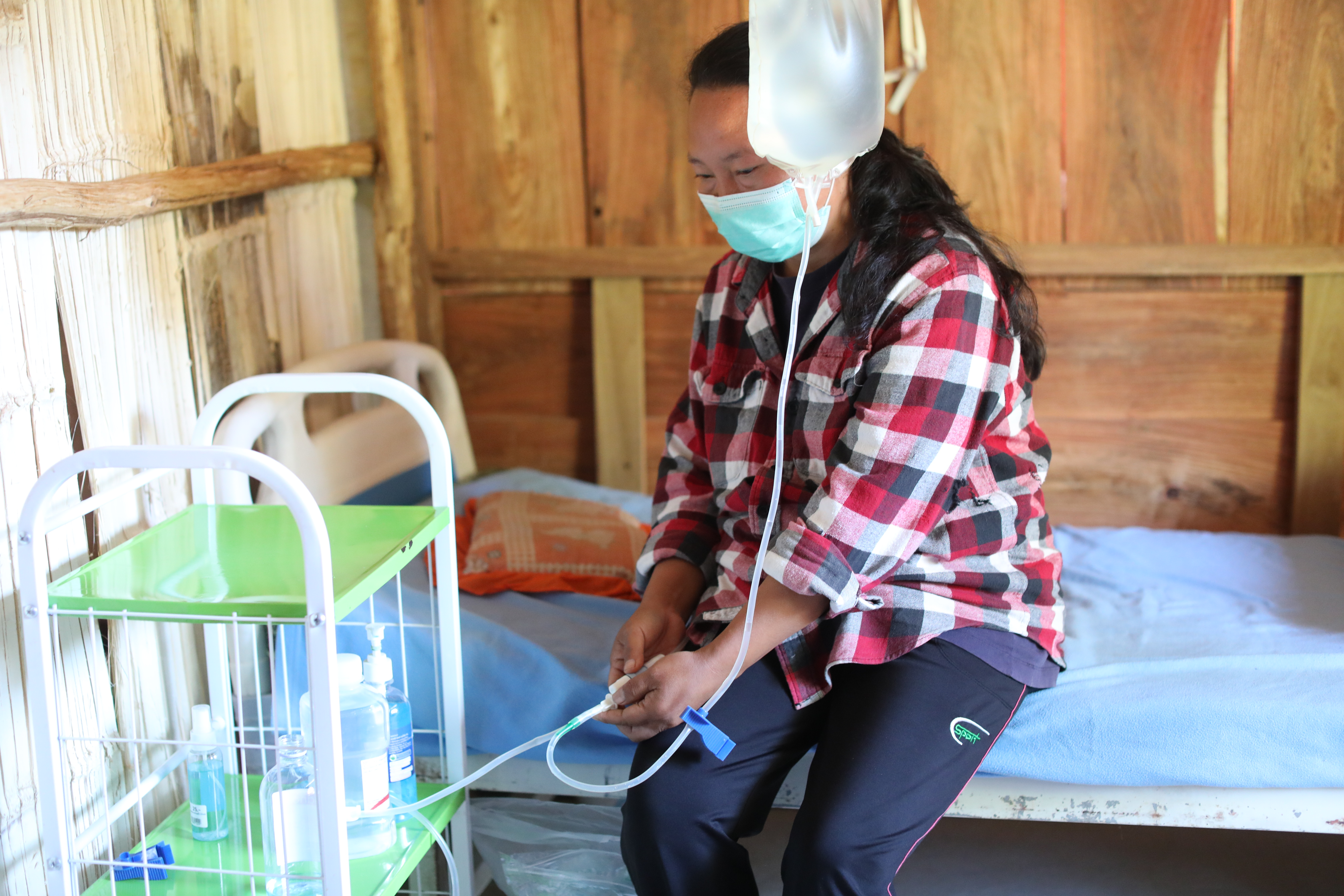
The treatment is covered by the Universal Coverage Scheme (UCS) overseen by the NHSO. It includes hemodialysis, home peritoneal dialysis, and automated peritoneal dialysis (APD), as well as screening tests and medicines.
President of the Nephrology Society of Thailand, said that a large number of patients have benefited from this policy as they can select the treatment that fits their lifestyle and environment.
.jpg)
Dr Vuddhidej Ophascharoensuk
However, many patients choose the treatment based on their preferences rather than their health conditions, leading to the risk of infections and complications.
“Most of the patients performing home peritoneal dialysis want to switch to hemodialysis because they don’t want to carry the burden of doing the treatment at home,” said Dr Vuddhidej.
“But hemodialysis has a hidden costs. Patients must travel to hospitals and spend at least four hours getting the treatment. That cost them time and financial burden.”
Certain health conditions can cause patients receiving hemodialysis to experience adverse effects, especially irregular low blood pressure that threatens their life. Many of these patients must return to peritoneal dialysis unavoidably.
Dr Vuddhidej said that many patients have false beliefs that hemodialysis is better than other types of treatment even though their effectiveness is comparable.
This misunderstanding mainly caused by misinformation or patients’ limited access to information relating to the treatments.
To solve this issue, patients should consult with doctors and coordinate in making decisions on the types of treatments based on health conditions, behaviors, lifestyle, and living environment.
Dr Vuddhidej finds the misinformation also comes from advertisements that encourage patients to buy certain products, such as supplements and herbal medicines for kidney disease treatment.
These advertisements are widespread and can be seen in many forms of media, including radio ads and posters displayed on public buses and bus stations.
He emphasized that none of the supplements and herbal products can successfully treat chronic kidney diseases.
They undermine kidney function as these products force kidneys to work harder in removing unnecessary substances from the body.
The Nephrology Society of Thailand, in collaboration with the Food and Drug Administration and the Medical Council of Thailand, has tackled the misinformation by taking legal action against companies and individuals promoting false information in health product advertisements.
Diabetes and hypertension are the major risk factors for chronic kidney failure in the Thai population, as more people tend to live unhealthy lifestyles and consumption.
“It’s important to prevent kidney disease at an early age by doing engaging in exercise, selecting healthy diets, and avoiding unnecessary supplements,” said Dr Vuddhidej.
“It’s also necessary to have medical check-ups regularly to prevent kidney disease.”
///////////
Since February 1 last year, the National Health Security Office (NHSO) has implemented a new policy to allow patients with chronic kidney disease to choose the types of treatment under the doctors’ guidance.
The treatment is covered by the Universal Coverage Scheme (UCS) overseen by the NHSO. It includes hemodialysis, home peritoneal dialysis, and automated peritoneal dialysis (APD), as well as screening tests and medicines.
President of the Nephrology Society of Thailand, said that a large number of patients have benefited from this policy as they can select the treatment that fits their lifestyle and environment.
Dr Vuddhidej Ophascharoensuk
However, many patients choose the treatment based on their preferences rather than their health conditions, leading to the risk of infections and complications.
“Most of the patients performing home peritoneal dialysis want to switch to hemodialysis because they don’t want to carry the burden of doing the treatment at home,” said Dr Vuddhidej.
“But hemodialysis has a hidden costs. Patients must travel to hospitals and spend at least four hours getting the treatment. That cost them time and financial burden.”
Certain health conditions can cause patients receiving hemodialysis to experience adverse effects, especially irregular low blood pressure that threatens their life. Many of these patients must return to peritoneal dialysis unavoidably.
Dr Vuddhidej said that many patients have false beliefs that hemodialysis is better than other types of treatment even though their effectiveness is comparable.
This misunderstanding mainly caused by misinformation or patients’ limited access to information relating to the treatments.
To solve this issue, patients should consult with doctors and coordinate in making decisions on the types of treatments based on health conditions, behaviors, lifestyle, and living environment.
Dr Vuddhidej finds the misinformation also comes from advertisements that encourage patients to buy certain products, such as supplements and herbal medicines for kidney disease treatment.
These advertisements are widespread and can be seen in many forms of media, including radio ads and posters displayed on public buses and bus stations.
He emphasized that none of the supplements and herbal products can successfully treat chronic kidney diseases.
They undermine kidney function as these products force kidneys to work harder in removing unnecessary substances from the body.
The Nephrology Society of Thailand, in collaboration with the Food and Drug Administration and the Medical Council of Thailand, has tackled the misinformation by taking legal action against companies and individuals promoting false information in health product advertisements.
Diabetes and hypertension are the major risk factors for chronic kidney failure in the Thai population, as more people tend to live unhealthy lifestyles and consumption.
“It’s important to prevent kidney disease at an early age by doing engaging in exercise, selecting healthy diets, and avoiding unnecessary supplements,” said Dr Vuddhidej.
“It’s also necessary to have medical check-ups regularly to prevent kidney disease.”
///////////