
- Home
- DescriptionNews
Strength Community: A key to tackle COVID-19 in Nan
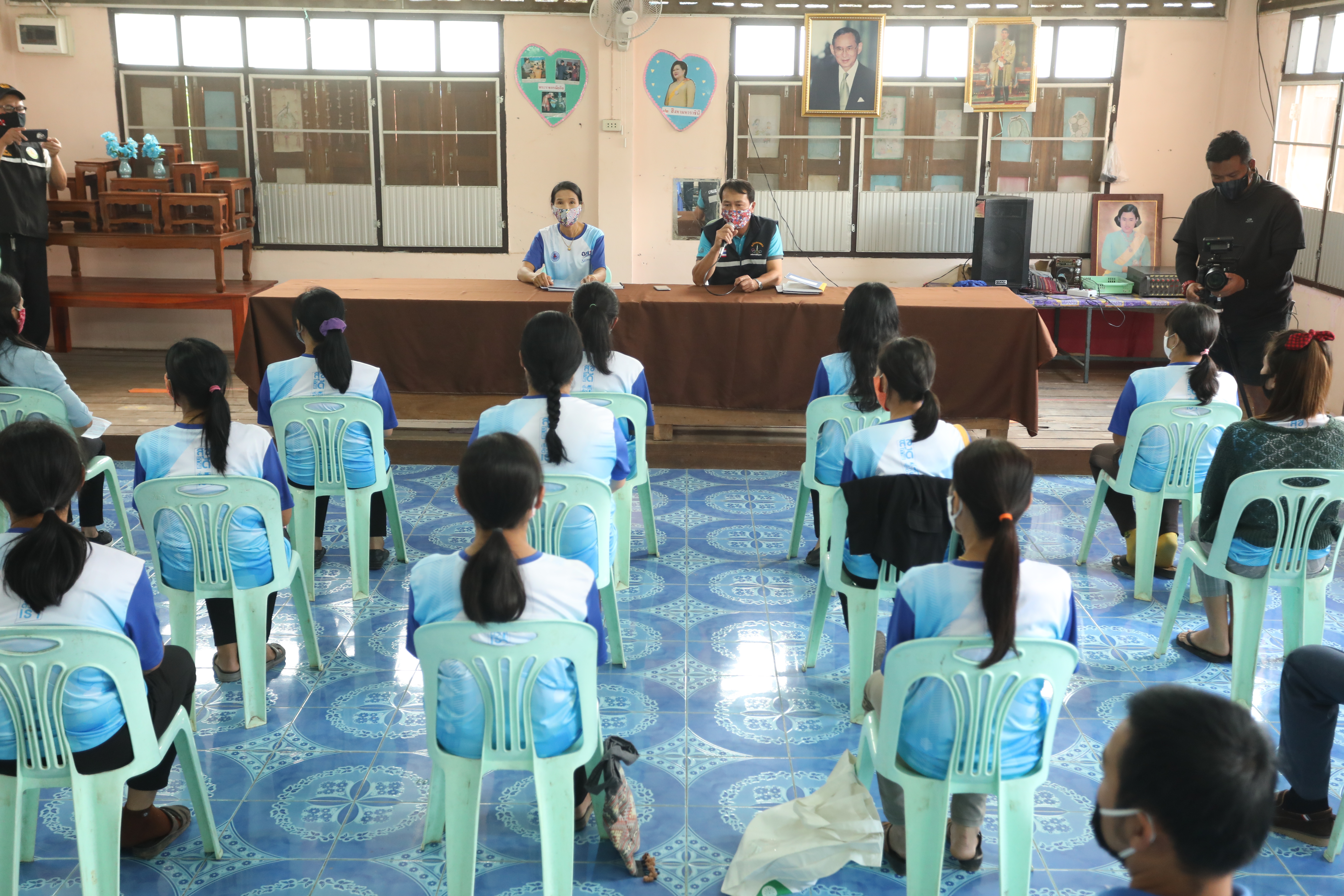
Strength Community: A key to tackle COVID-19 in Nan
Nan is the only few provinces in Thailand that reported “zero case” during the first wave of COVID-19 pandemic last year, although it is surrounded by provinces with confirmed cases.
This success is the result of the cooperation among local communities, along with local authorities’ implementation of strict public health measures.
A receipt of Nan’s success was discussed during the Wednesday virtual field trip at the sideline of Prince Mahidol Award Conference 2021.
STRONG COOPERATION
“The cooperation among multi-stakeholders has been the strength of Nan people. When facing a challenge or threat such as COVID-19, they play to their strength right away,” said Dr Chatree Charoensiri, member of Nan Civil Society Coordinating Center.
“Nan province has its unique characteristics with high civic consciousness.”
He pointed out that four factors had contributed to the success of Nan in controlling the spread of COVID-19.
First, Thai health system has penetrated the walls of households, through over one million village health volunteers introduced by Public Health Ministry in 1978.
Each volunteer looked after between 10 and 15 households, and reported to local health officer when new visitors entered their communities during the pandemic.
Second, local authorities have worked with local community members who conveyed information from the internet and authorities to households. They also helped to translate information into local and ethnic dialects.
Third, basic needs such as food were available to local communities even though the transport and logistics were disrupted during the lockdown. For example, at Song Kwae District in Nan, local communities initiated sharing vegetable farms where every community member can get food for their households.
Finally, Nan provincial office developed software that linked and collected data of visitors and local people crossing the border. Visitors must register their arrival and destination on the authority’s online platform when they entered Nan.
Their data would be shared among local authorities and health officer, who would then alert village health volunteers to visit the visitors’ residences.
CIVIL SOCIETY ENGAGEMENT
As soon as Thailand’s first local transmission was reported in January last year, local people in Nan formed up “Chao Nan Tann COVID” or Nan Civil Society against COVID group.
Charee Chaichana, the group’s core member, said that all began when people in Nan discussed the COVID-19 situation on Line application and took action to prevent local people from getting infected by the virus.
They set up a Line Chat group and attracted 500 members within an hour. Soon after that, they persuaded the local government to close the province’s border while sharing information about safety and hygiene.
“Nan has a specific context as we have many ethnic communities living here. If there is one infected case, and there is a high probability that the virus will spread to other community members. Doing the disease prevention would be difficult after that,” said Charee.
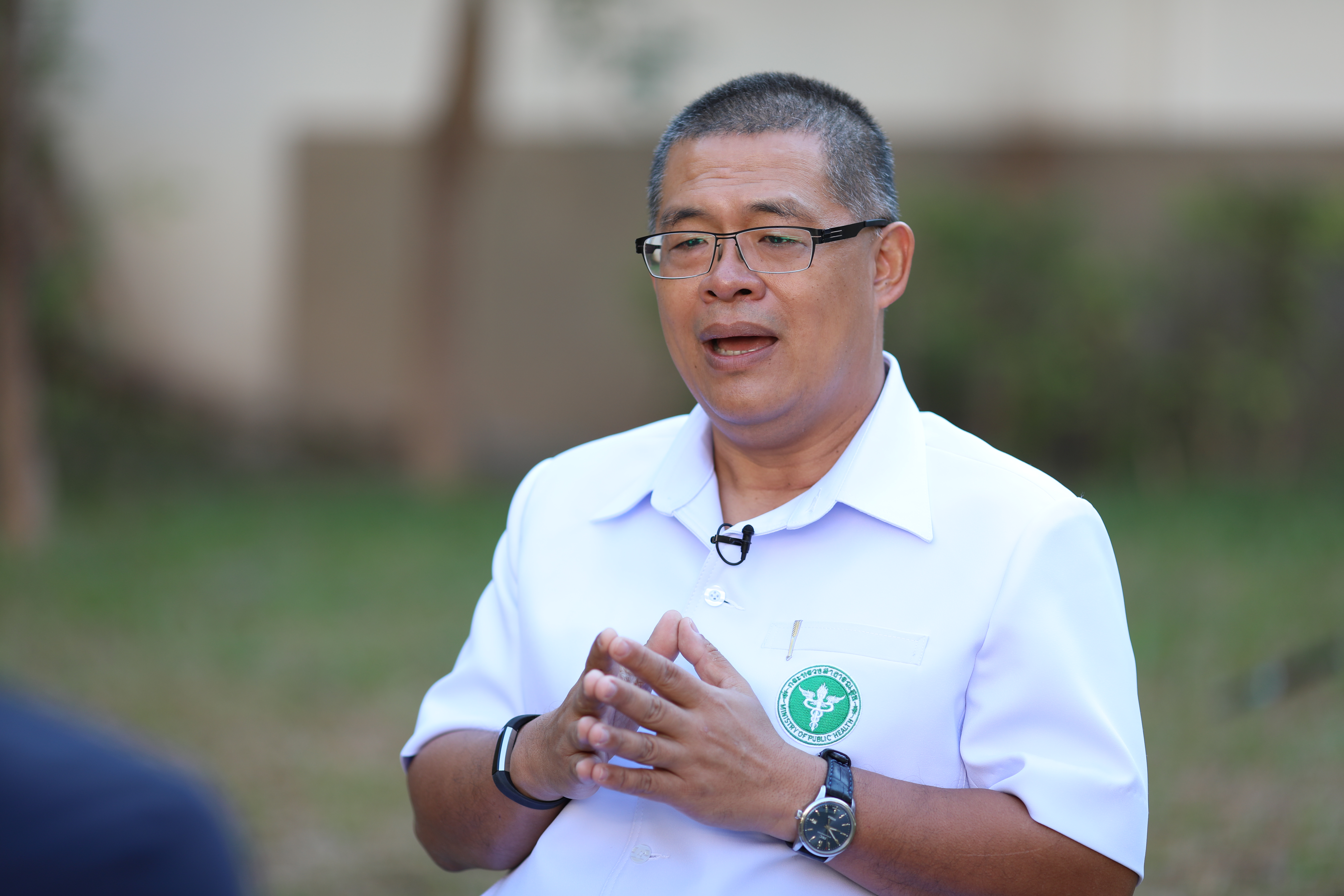
“Aside from cooperation, another crucial aspect is the courage to do the right thing. We feed up to date information to local communities, which would help them make a decision concerning the COVID-19 situation,” said Dr Warinthep Chuasamran, Nan Provincial Chief Medical Officer.
Local authorities regularly updated information with the Center for Covid-19 Situation Administration (CCSA), the central government body dealing with the pandemic, and informed local communities of the government’s measures and policies.
Those measures include travel restriction, social distancing, promoting personal hygiene such as wearing faces masks and regular handwashing.
“The most important part was to tell the fact to local people as immediate as possible, and it must come from reliable sources. Our main source was CCSA,” said Dr Warinthep.
COMMUNITY HEALTH FUND
Community Health Fund (CHF), a program for the empowerment of local communities, was an essential mechanism that helped Nan people control the spread of COVID-19 effectively.
Introduced by National Health Security Office, the government agency overseeing Universal Coverage Scheme, CHF provides emergency fund to local administrative organizations to initiate health promotion and disease prevention programs at a community level.
At Nan, part of the fund was spent to supply necessary materials and paid for transportation for village health volunteers who must regularly visit households.
Anuchsri Mongkol, chief of village health volunteers in Song Kwae district of Nan, said that during the Songkran Holiday (or Thai New Year day) in April, the volunteers must monitor the arrival visitors in the communities---mainly, family members who worked in other provinces and wanted to return home during the holiday.
As Nan border was strictly controlled, they couldn’t access their home villages. The village health volunteers must inform them of the government policies and encouraged them to temporally changed their behaviors to reduce the communities’ risk of exposure to COVID-19.
“Our community live like families, so they listen to us and comply with public health measures,” said Anuchsri.
As of 29 January, one confirmed case is reported in Nan following the discovery of new hotspot at a seafood wholesale market in Samut Sakhon in December last year--- which Thai government called the new-emerging phase of COVID-19.
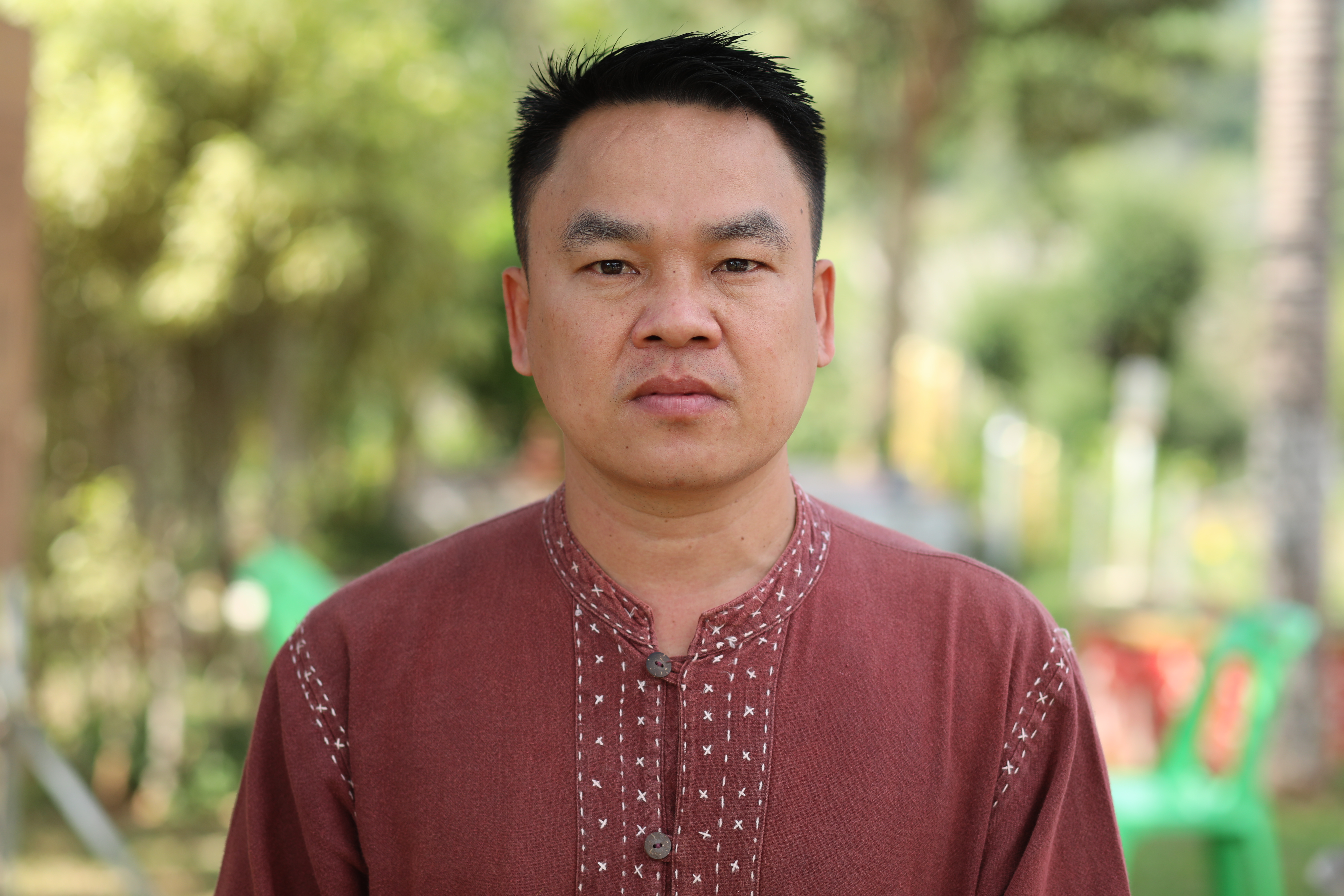
“For this phase, we’re confident that we could handle it. Because we learned a lot from the first wave,” said Narongrit Siriwongworaphat, Head of Narai Luang sub-district Administrative Organization, Song Kwae District in Nan Province.
“We keep screening people and tracking them once they enter Nan.”