- Home
- DescriptionNews
UCS reform: Progress report and lesson learned

UCS reform: Progress report and lesson learned
Dr Jadej Thammatacharee
Secretary-General of the National Health Security Office (NHSO)
On September 11, Prime Minister Srettha Thavisin declared a policy aimed to enhance the effectiveness, coverage, and quality of the Universal Coverage Scheme (UCS).
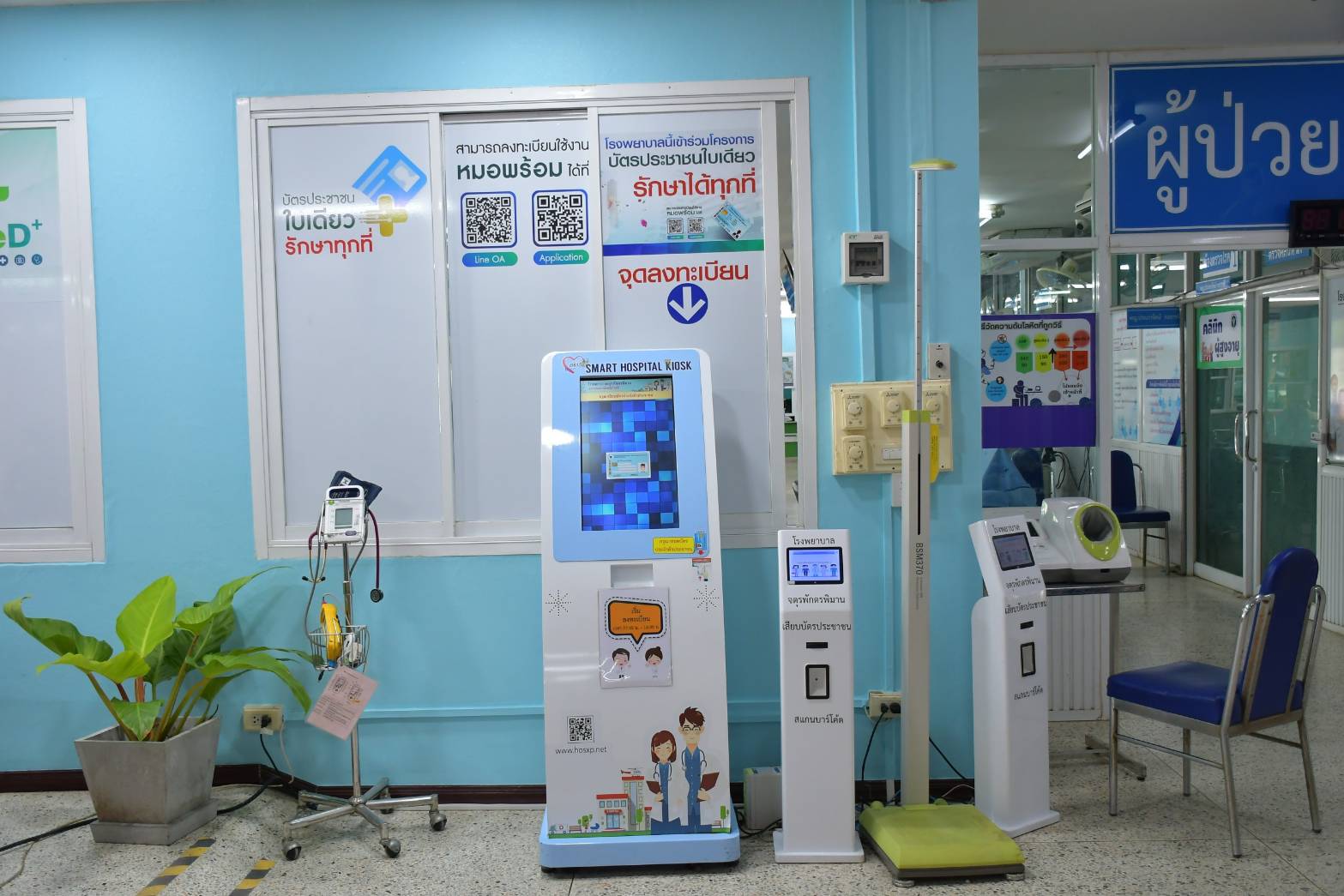
This was to be achieved by making health services more accessible by using only a national identification card, which patients can utilize to access healthcare at any hospital, irrespective of their registered health units.
This is considered a step toward reforming UCS and Thai Universal Health Coverage, as currently, patients are required to visit their designated hospitals before being able to transfer to other facilities.

After the announcement of this policy, the government established the "National Health System Development Committee" or "National Health Superboard".
The Ministry of Public Health responded by coordinating with public health unit centers to facilitate this initiative. The NHSO is tasked with improving reimbursement processes to ensure swift payment to health providers.
This will foster confidence among hospitals and health unit centers partnering with the NHSO to provide services to UCS beneficiaries.
On January 7, the "One ID Card Accessing Health Services Anywhere" pilot project was implemented in four provinces: Phare, Roi Et, Phetchaburi, and Narathiwat. For over a month since the project's launch, the NHSO has been continuously monitoring the project's implementation, focusing not only on its successes but also on addressing challenges and resolving any issues to close any gaps.
Health Information Technology Reform
The new policy’s success relies on health information technology reform and the adoption of digital technology in the UCS.
Health service data must be consolidated and shared across hospitals and healthcare scheme operators to allow patients to access health services at any service entry point.
This data includes patients’ health records and the types of services provided, enabling medical staff to decide on the most effective treatment and claim the service fees from the scheme operators.
Currently, we are setting up a real-time proactive data portal through which the NHSO staff can monitor reimbursement procedures.
While information reform may sound ordinary, only some countries have successfully executed such initiatives.
If Thailand achieves this, the potential benefits from big data in the future health sector can be immense.
Health information reform will also strengthen the primary care system, allowing patients to access health services anywhere.
Focus on problem-solving
The NHSO team monitors the effectiveness and success of the policy implementation but also keeps an eye on obstacles and looks for solutions to address them.
Our teams at the local level are responsible for on-site monitoring, evaluation, and reporting back to the NHSO headquarters. Despite dispatching over 100 NHSO staff members to the four pilot provinces, significant issues have yet to be noted.
We have also expanded our 1330 Contact Center in anticipation of potential issues at the frontline, allowing the NHSO to intervene promptly.
However, most calls received have been health staff inquiries regarding service procedures rather than reports of problems encountered during service delivery.
Many believe that some patients could exploit the system by getting health services from more than one hospital within a close timeframe if we allow them to access the services at any service entry point.
But there have yet to be any reports on this challenge. If it happens, we set up a communication system that alerts hospitals of such cases.
Riding the wave of change
Although no serious issues have emerged, certain matters have come to light and require investigation.
These include a notable rise in reimbursements from some hospitals following the implementation of the policy.
The NHSO previously anticipated that the increased service volume would happen at the small health units like private clinics and pharmacies partnering with the NHSO, which are more convenient to access.
.jpg)
However, data indicates that some patients switch from private health units to hospitals.
It may also indicate that previously underserved groups now have increased access to services.
The rise of these challenges is an opportunity for the NHSO to improve management, deploy innovations, and enhance data platforms.
Within this year, from the additional budget of over seven billion baht we've requested from the government to support this policy, we hope it's sufficient to expand the policy-implementation areas nationwide.
From pilot to full-implementation
NHSO will implement the second-phase pilot project in eight other provinces in March. The first-phase pilot in the four provinces has provided some lessons learned for the policy’s focus-area expansion.
For example, we will need to modify specific payment systems for health services, ensure more apparent information dissemination across the data platforms, and increase the involvement of health personnel in the service design.
To enhance access to health services, we plan to engage more health units run by non-governmental organizations that provide specialized care, such as palliative care and therapy dogs.
.jpg)
The NHSO has also partnered with digital platform operators such as Health Link and Financial Data Hub that help us sync health information seamlessly.
We strive to facilitate the participation of these organizations and health units in the UCS network, enabling patients to access services in a timely manner.
This can help bridge the gap in government health services, which often involves a cumbersome process of implementing new policies due to strict regulations.