


The National Health Security Office (NHSO), together with the Sufficiency Economy Family Foundation, is training young people to become communicators of healthcare rights, helping to spread awareness of the benefits of Thailand’s Universal Coverage Scheme (UCS).
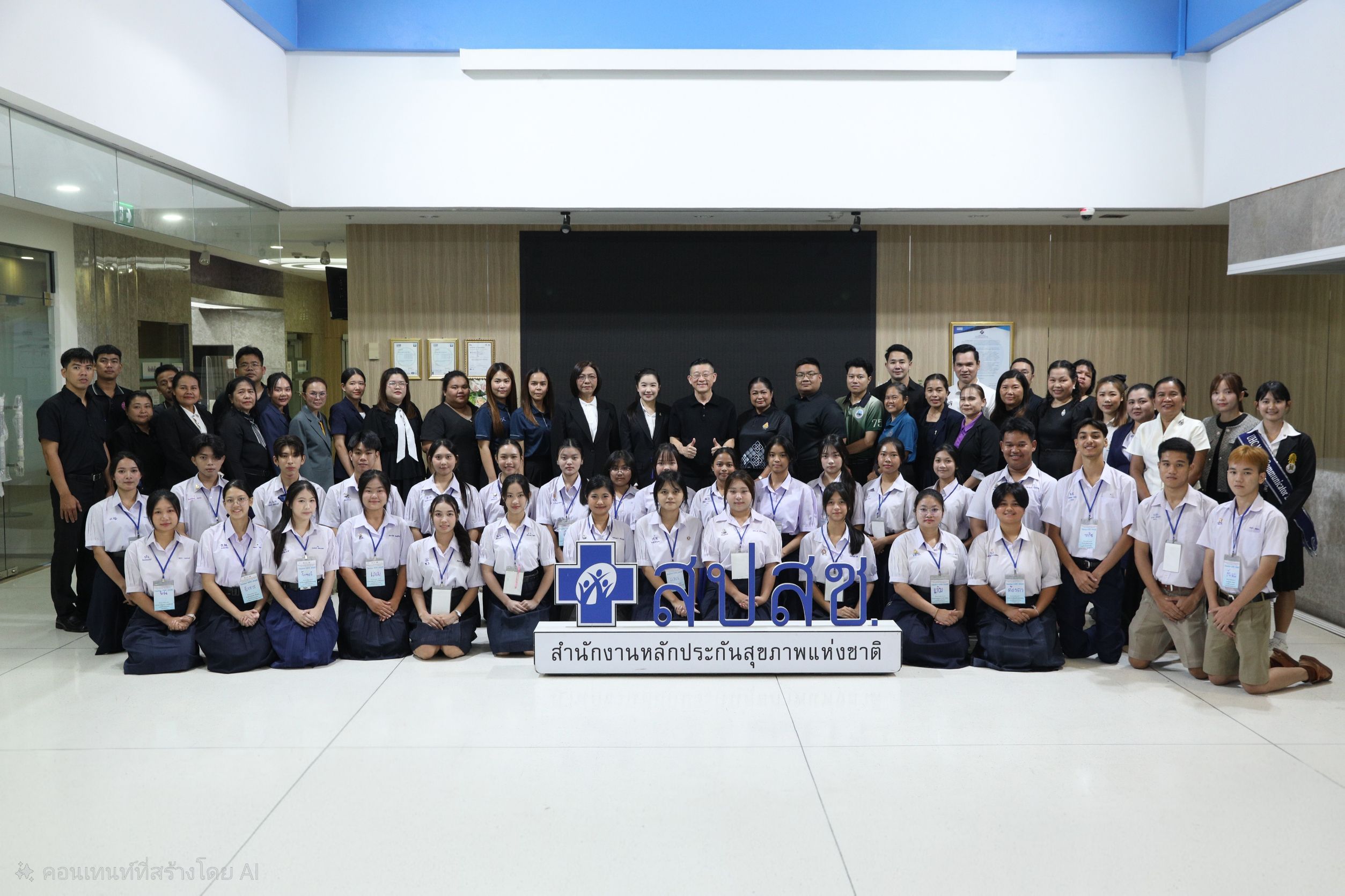
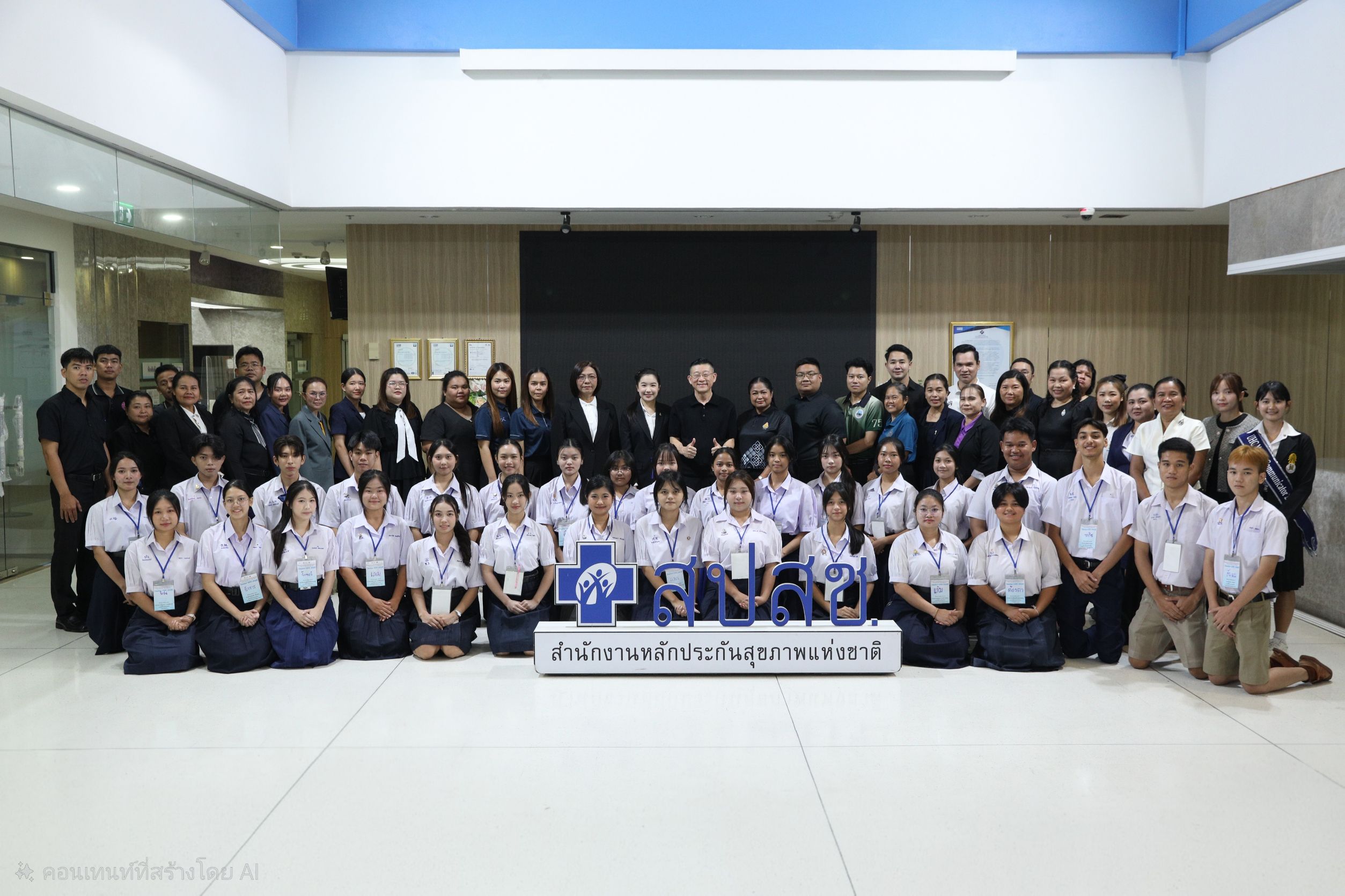
From March 30 to April 1, the two organizations welcomed 32 high school students from across the country to participate in the ninth “Senior UHC 2026” youth camp in Bangkok.
The initiative is part of a broader effort to address a persistent gap in public understanding of Thailand’s universal health coverage system, despite its international reputation as a model that attracts global interest and study.
The UCS—often referred to as the “30-baht scheme” or the “Gold Card”—is one of Thailand’s three tax-funded universal healthcare schemes and is widely regarded as a success story.
Since its introduction in 2002, the UCS has expanded healthcare access to nearly 48 million people, contributing to Thailand achieving 99.9% health coverage. This progress has significantly reduced out-of-pocket spending and improved health outcomes.
Yet, officials say that ensuring people know how to use their entitlements remains a critical challenge.
“Universal healthcare coverage is not only about having the system in place, but about people being able to navigate it,” said Dr. Atthaporn Limpanyalert, Deputy Secretary-General of the NHSO.
A 2025 public opinion survey highlights the issue. While most Thais are enrolled in the system, awareness of key rights—such as how to register or change healthcare providers, how to file complaints related to treatment, and how to access support services like the NHSO’s 1330 hotline—remains below target levels.
These gaps are particularly pronounced among younger populations.
The “Senior UHC 2026” camp is designed as a targeted response. Rather than relying solely on institutional communication, the program trains youth as peer educators—an approach that reflects a shift toward more decentralized, community-based health governance.
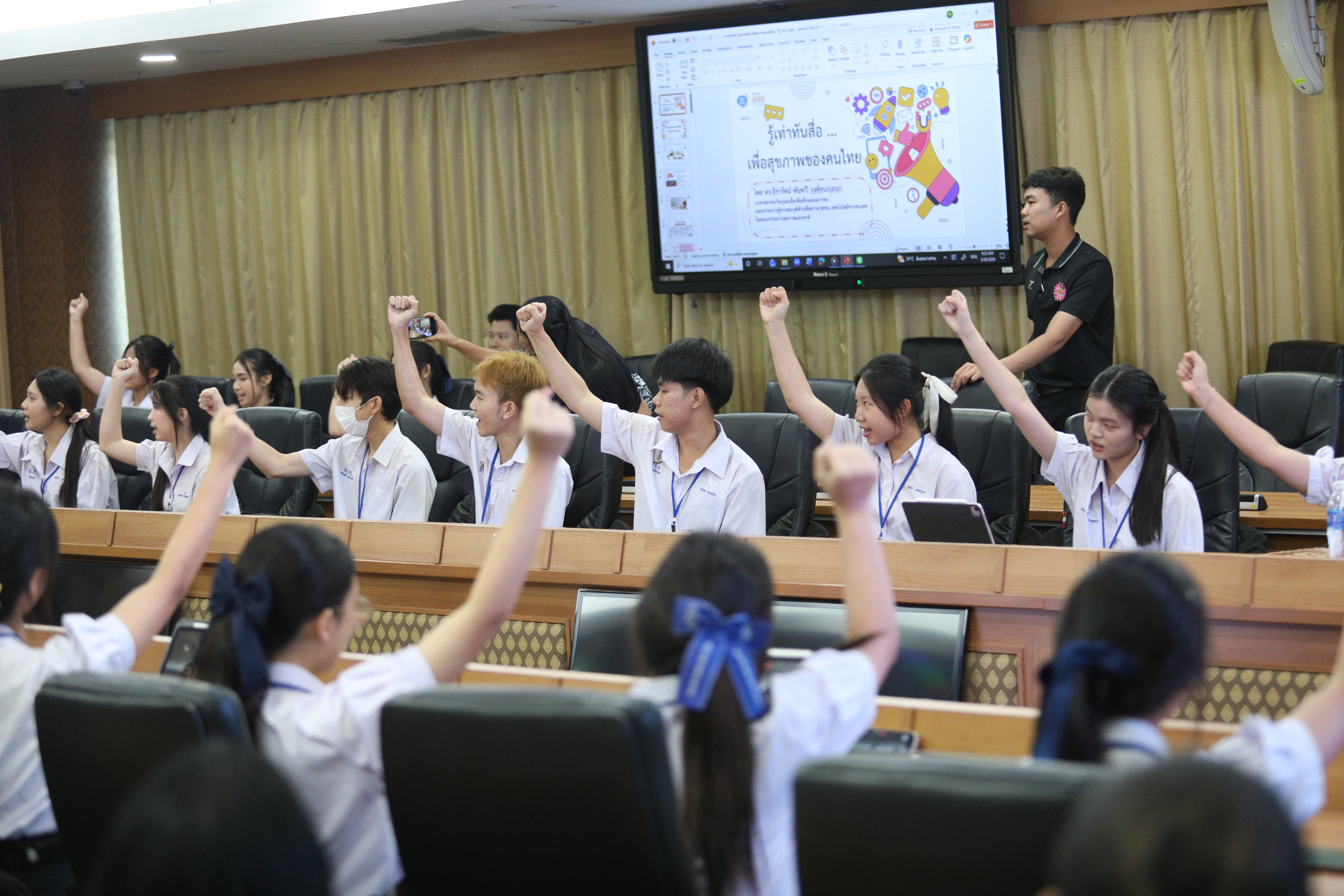
Over three days, participants underwent intensive training that combined policy literacy with practical communication skills.
Sessions covered the structure of Thailand’s health system, patient rights, and the operational mechanisms of primary care networks.
Students also visited healthcare facilities and observed the workings of the NHSO hotline, gaining firsthand insight into how the system handles inquiries and complaints.
But the program goes beyond traditional civic education.
Participants were trained to translate complex health policy into accessible content using digital platforms such as TikTok—an acknowledgment of how information ecosystems have changed.
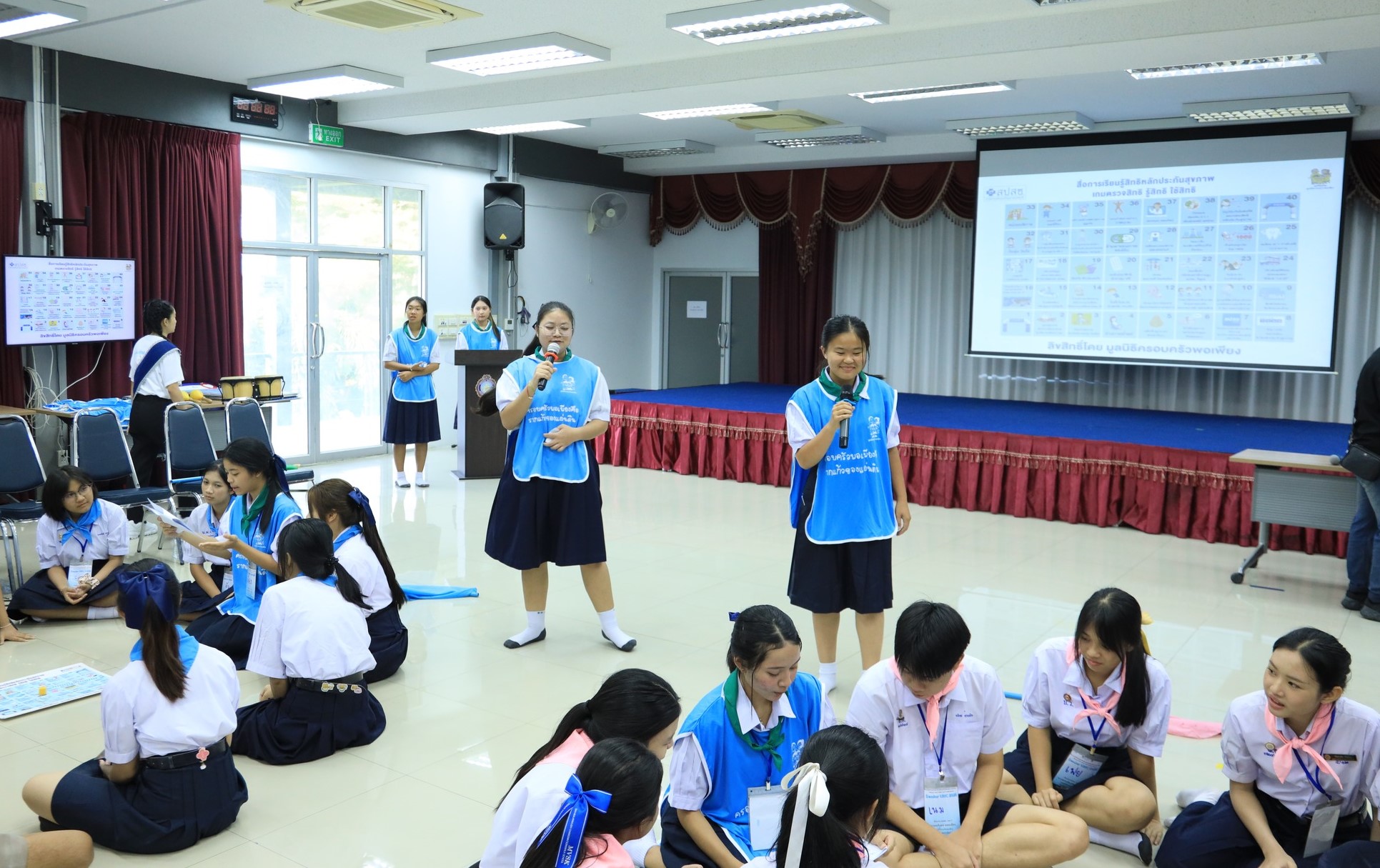
In workshops led by media practitioners, students developed infographics, short videos, and narrative storytelling formats aimed at their peers.
Theerarat Pantavee Wongthana-anak, President of the Association of Radio and Media for Children and Youth and a subcommittee member on public communication and stakeholder engagement, who served as a trainer, noted that communicating health security rights to young people in a way that builds understanding and confidence is not easy.
To ensure effective outreach, it is essential to use youth themselves as communicators. This training serves as one such mechanism, combining the use of digital media with peer-to-peer communication that can extend into schools, families, and communities.
The emphasis on peer-to-peer communication reflects a broader recognition among Thai policymakers: formal systems alone are insufficient to guarantee equitable access.
Social trust, cultural context, and informal networks play a crucial role in whether individuals actually utilize public services.
In this sense, the youth network—known as “UHC Young”—functions as a complementary layer to the formal health system. Participants are expected to return to their schools and communities as local advocates, disseminating information and assisting others in navigating the system.
The model also aligns with Thailand’s longer-term strategy of embedding health literacy within society, rather than treating it as a one-off intervention. By investing in youth, the NHSO aims to build a self-sustaining communication network that can adapt to changing media landscapes and demographic shifts.
////////////////////////////////