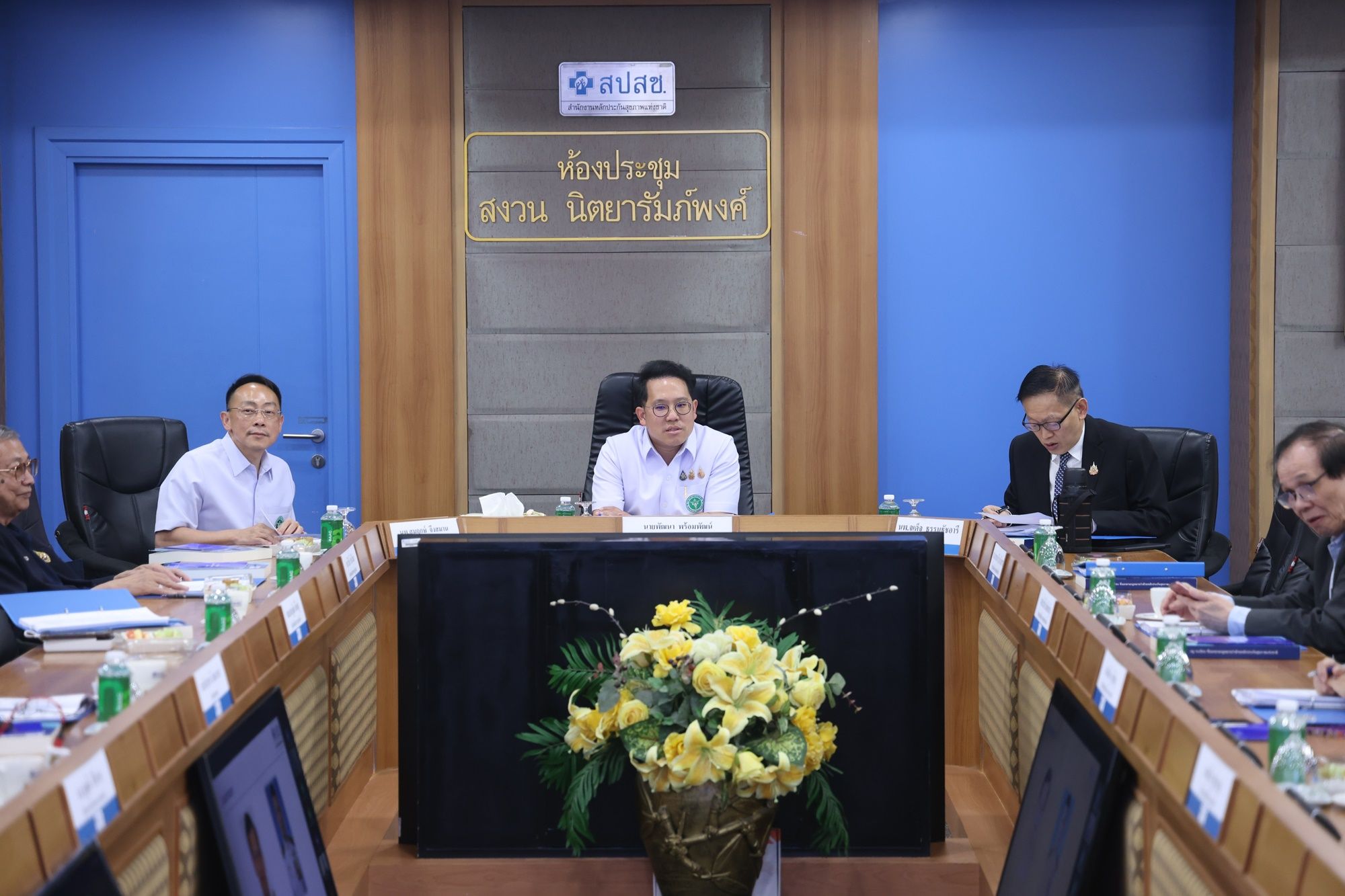




Eighteen health-sector partner organizations are joining forces to organize the National UHC Conference 2026, which will be held for the fourth consecutive year from 1-3 December 2026. Pattana Promphat, Minister of Public Health, will preside over the opening ceremony. Under the theme 'Strengthening UHC Governance through Genuine 4PW,' the conference will provide a forum for stakeholders to exchange views and jointly develop approaches to strengthening Thailand's universal health coverage system. 4PW refers to a Participatory Public Policy Process based on Wisdom.
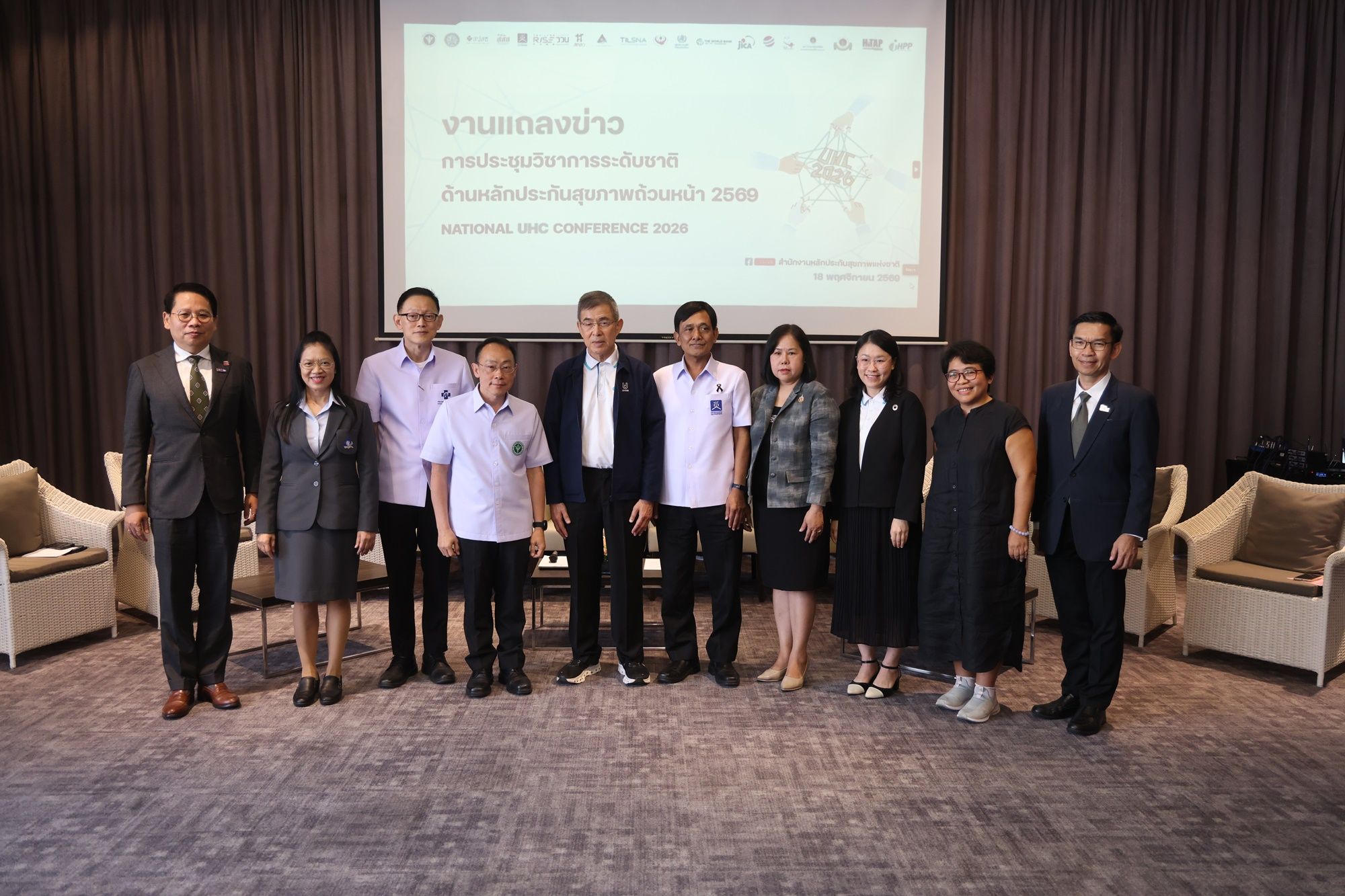
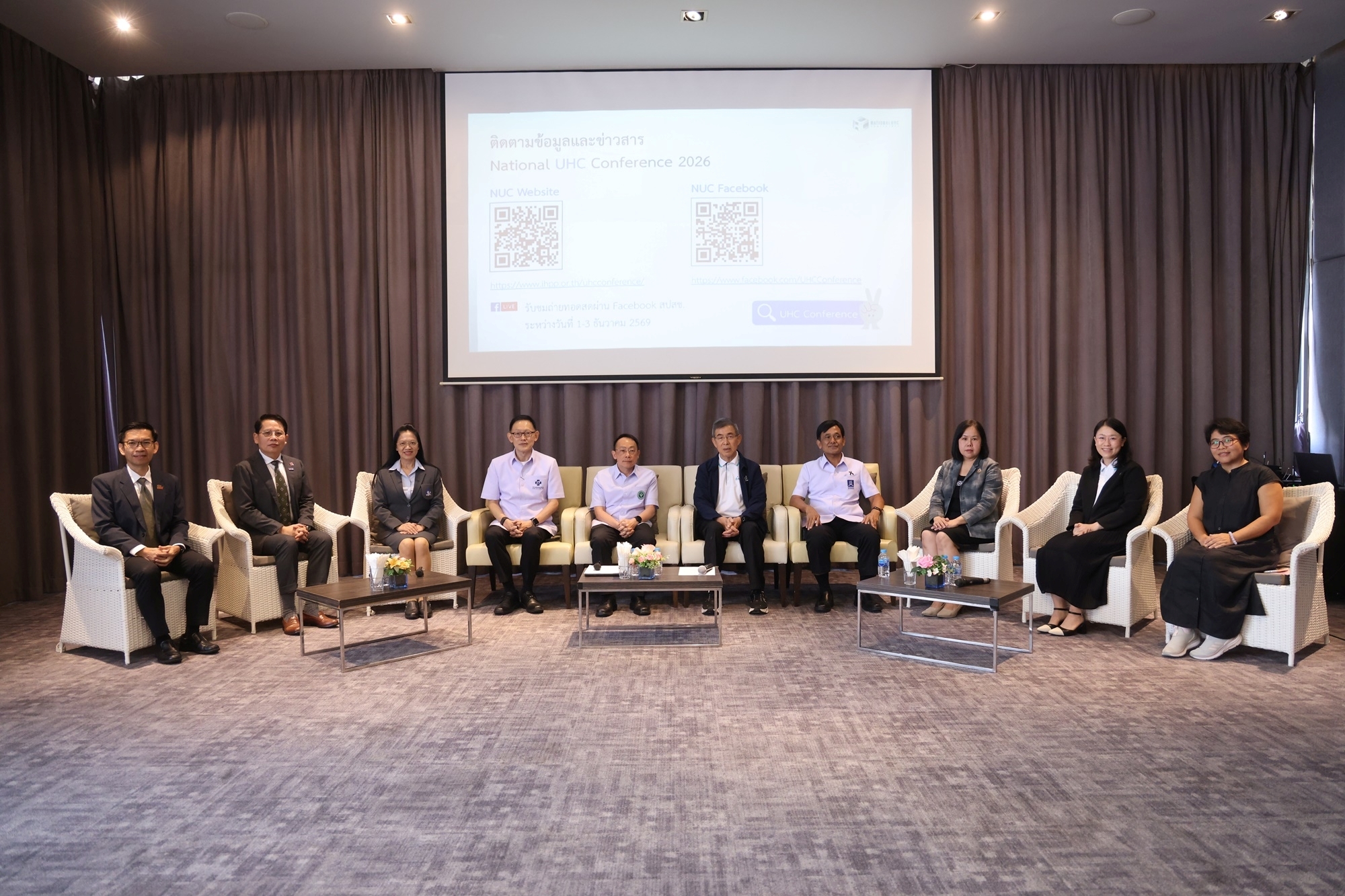
On 18 November 2026, executives and representatives from nine organizations held a press conference at De Prime Rangnam Hotel in Bangkok to announce preparations for the event. Participants highlighted key issues and approaches for developing universal health coverage that responds more effectively to people's needs.
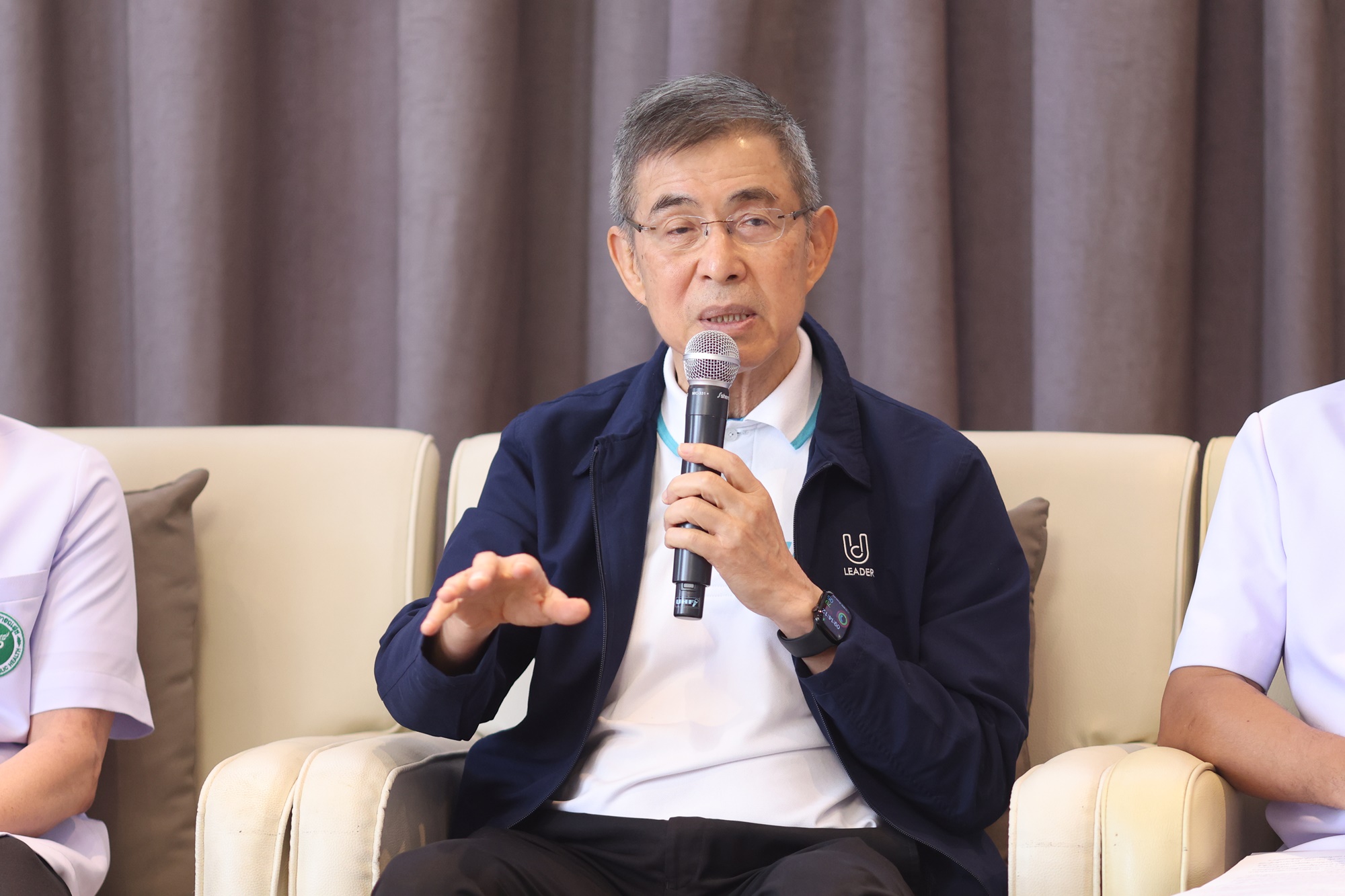
Dr Suwit Wibulpolprasert, Chair of the National UHC Conference Organizing Committee, said Thailand has developed its universal health coverage system for more than two decades, making this an important opportunity to jointly review lessons, strengths and areas that still require improvement. This year's conference focuses on health system governance, which will shape the future of universal health coverage. Even when budgets, personnel and technology are available, a system without good governance may still fail to meet people's needs in terms of equitable and efficient resource allocation, public trust and long-term sustainability. Good governance must therefore enable people to participate in policymaking and oversight, while incorporating academic evidence and people's lived experiences into decision-making. This is the central principle of 4PW.
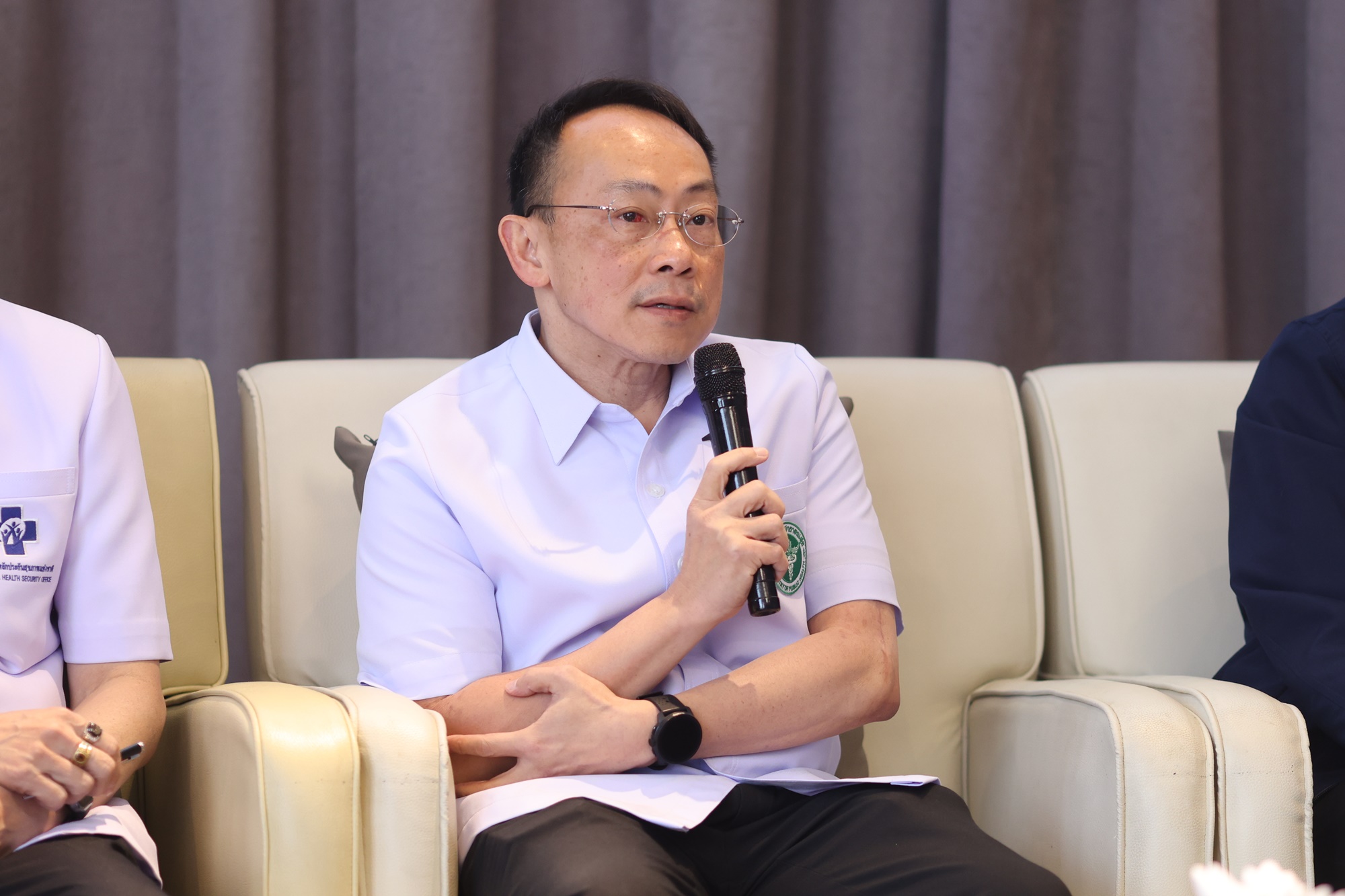
Dr Somruek Chungsaman, Permanent Secretary of the Ministry of Public Health, said the ministry has supported the National UHC Conference since its first year because it brings together policymakers, health funds, healthcare providers, academics and civil society to exchange perspectives and experience. The focus on health system governance is particularly relevant to the ministry in its roles as both policymaker and healthcare provider. The conference offers an opportunity to hear views from different agencies and sectors, and to learn from international experience that can inform the development of Thailand's health policies and service system. The ministry places importance on meaningful public participation, including identifying problems, proposing solutions and helping to develop health policies and services. It expects the 4PW process to connect perspectives from all sectors and turn them into practical proposals that support people-centred policymaking and health services.
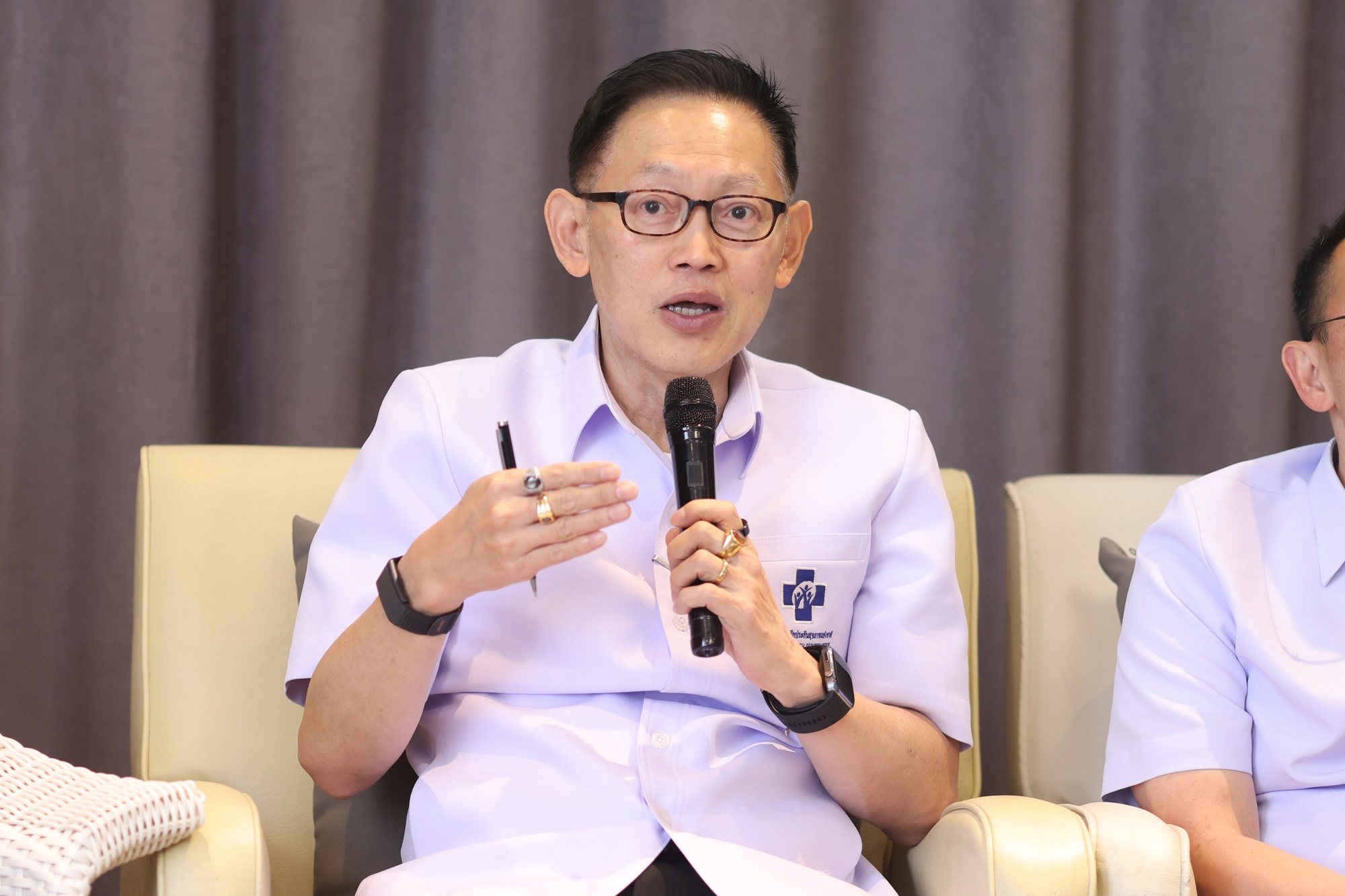
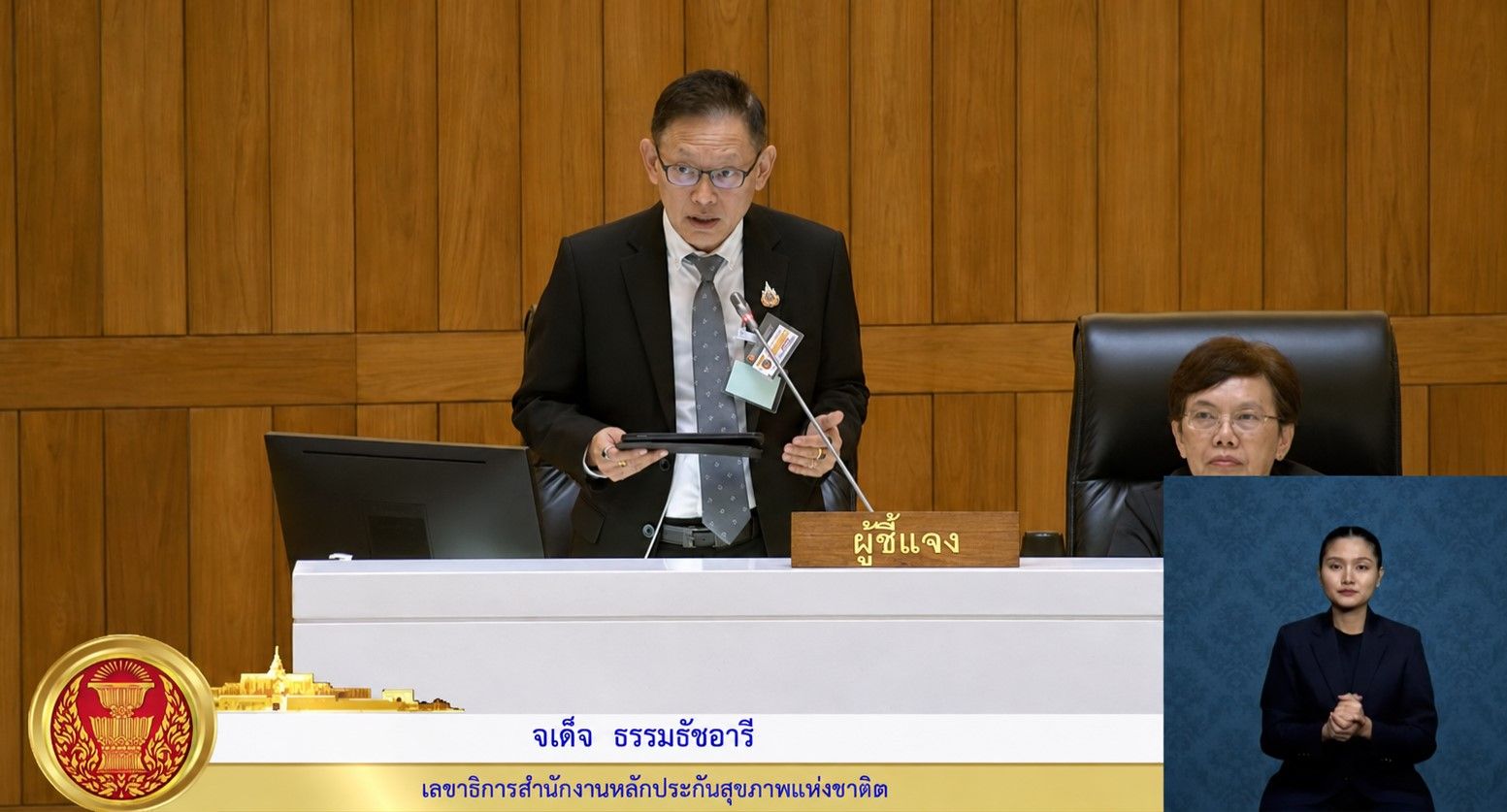
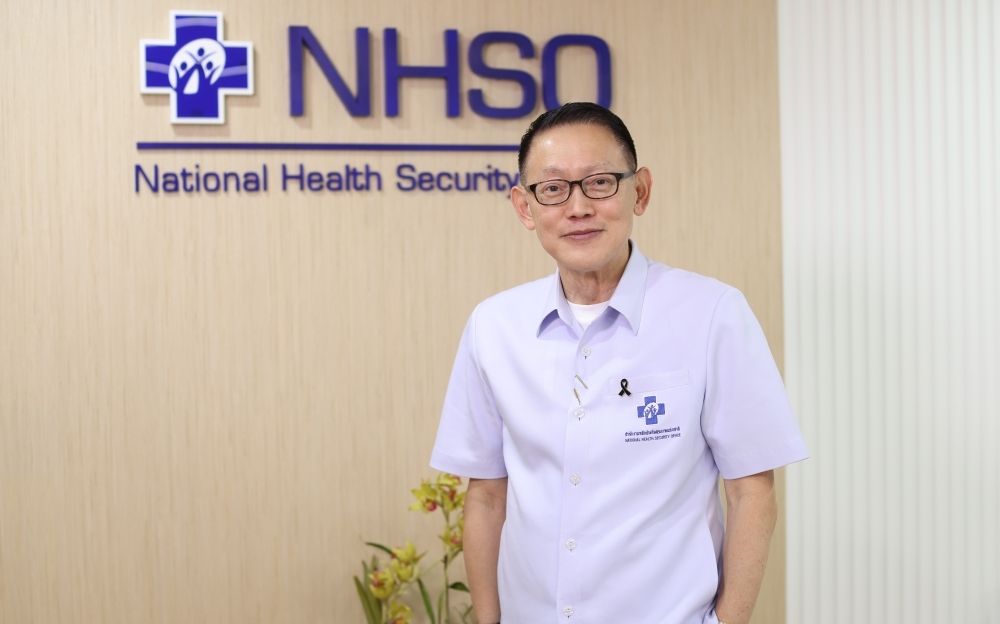
Dr Jadej Thammatacharee, Secretary-General of the National Health Security Office (NHSO), said what matters to people is not only having a healthcare entitlement, but also receiving necessary, high-quality and continuous services. Although Thailand's three public health insurance schemes differ in their benefit packages and management arrangements, they do not need to be made identical in every respect. Instead, the schemes should consider which essential services require common standards. One example is the cooperation among the three schemes in 2012 to ensure that people living with HIV continued to receive treatment when their insurance entitlement changed. Benefit development should take account of medical necessity, effectiveness and safety, supported by academic evidence, public voices and the experience of healthcare providers. The NHSO is ready to bring proposals from the conference into its mechanisms for benefit-package development, fund management and rights protection, while working with relevant organizations according to their respective roles.
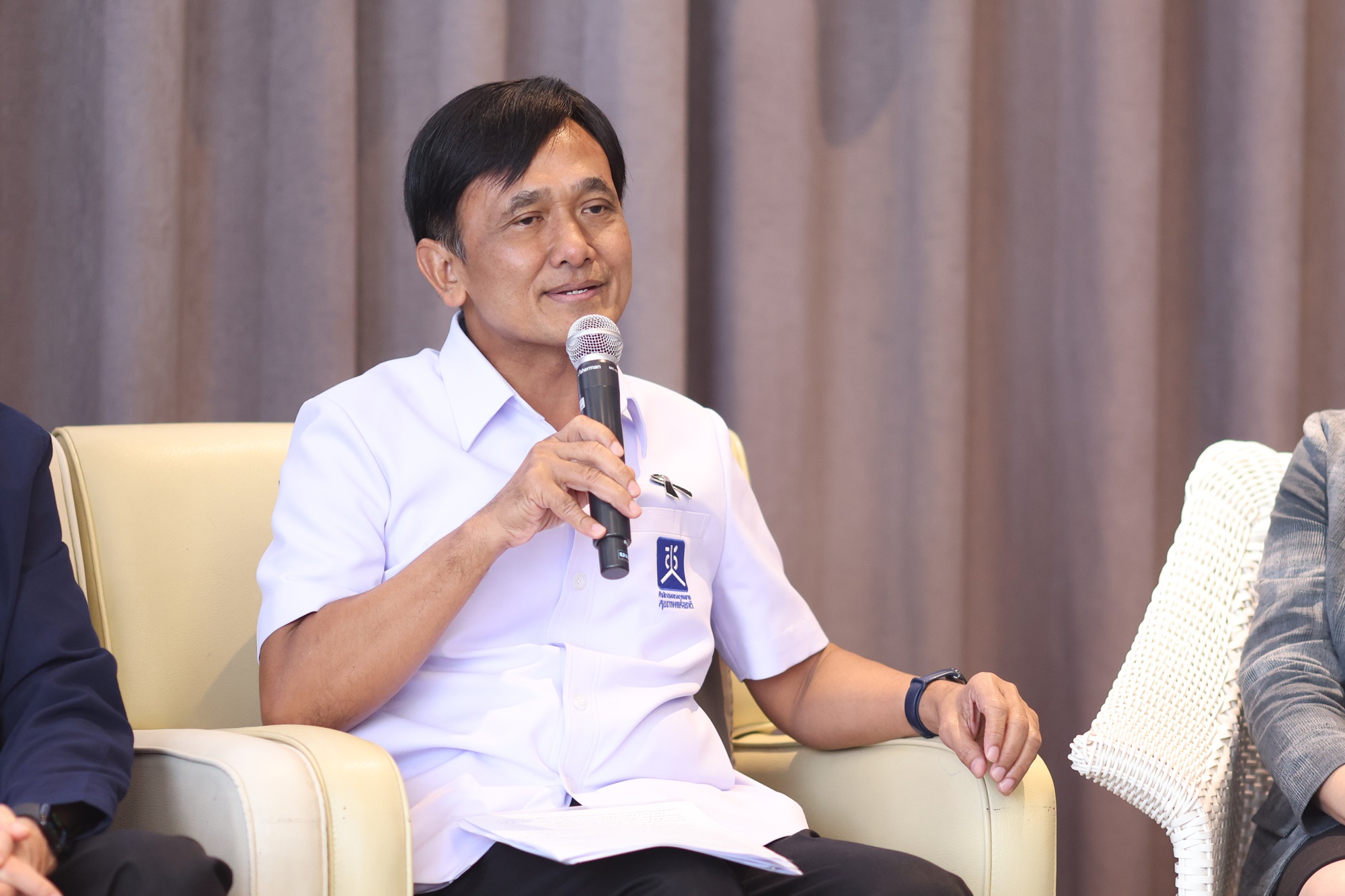
Dr Suthep Petchmark, Secretary-General of the National Health Commission Office (NHCO), said equity in universal health coverage means more than access to services. It also requires opportunities for people, particularly vulnerable groups and those whose voices are often overlooked, to participate from the stages of policy design and decision-making through to policy monitoring. This is a core element of 4PW. The conference has therefore been designed to enable people to take part in discussions on community participation in managing health resources, the use of patient voices in benefit-package decisions, and the needs of vulnerable groups such as people with disabilities, people with rare diseases and stateless people. Proposals from the three-day conference will be compiled into a Call to Action to be announced on the final day and linked with existing participatory mechanisms to support implementation.
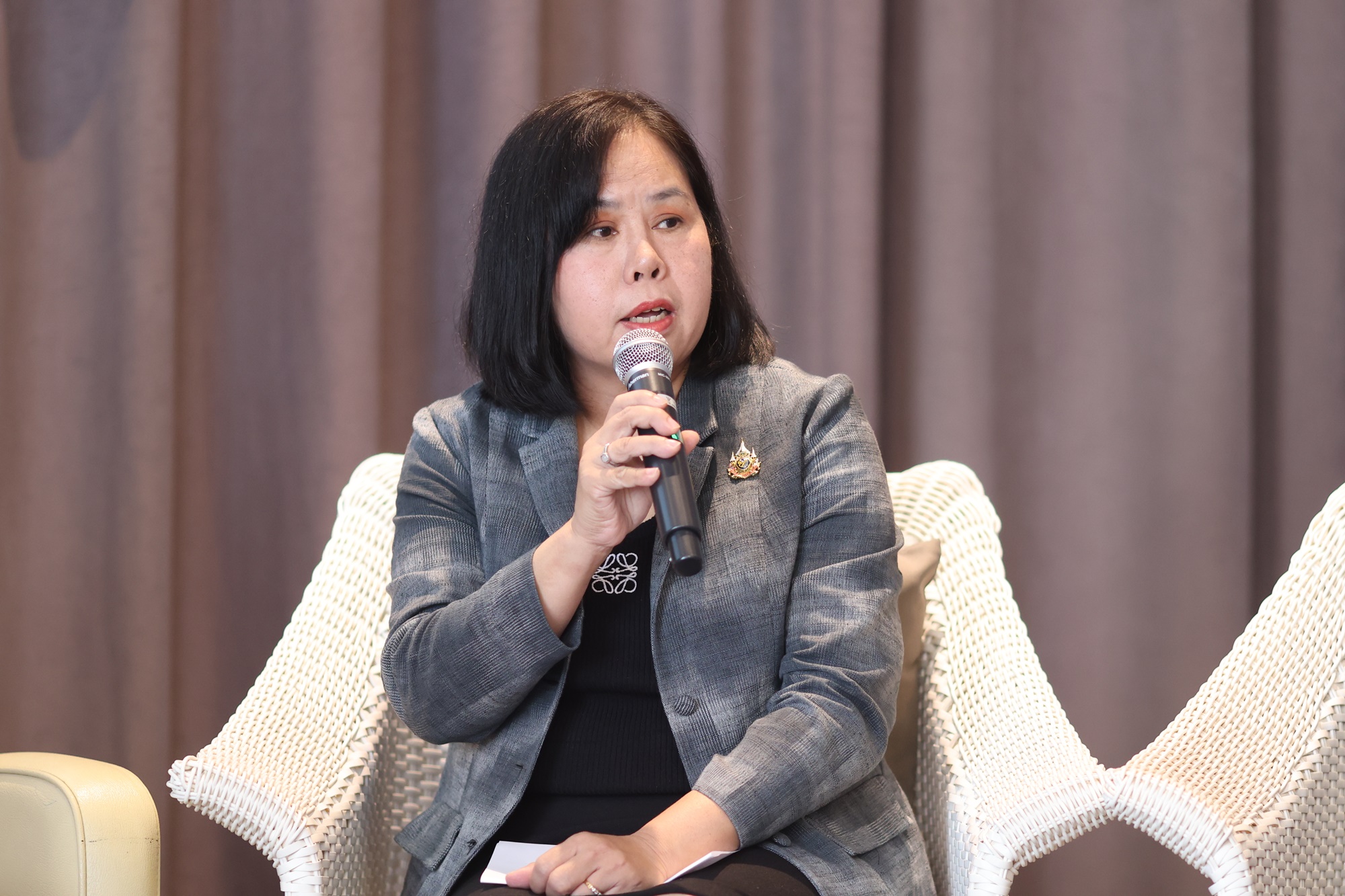
Nonglak Koworakun, Deputy Secretary-General of the Social Security Office (SSO), said the conference should place importance on benefit-package development and the shared use of health resources across the funds, guided by health economics and good governance. The aim is to ensure that people under every scheme receive necessary services of appropriate quality and on an equitable basis. Payment criteria and rates should be appropriate and reflect the costs and workloads of healthcare facilities, so that differences in payment rates between funds do not determine people's opportunities to access treatment. Referral systems and data linkages should also be strengthened to maintain continuity of care, reduce duplicate claims and make efficient use of health resources. She said the conference should produce clear proposals for cooperation, implementation and accountability among the funds within the legal mandates and responsibilities of each organization.
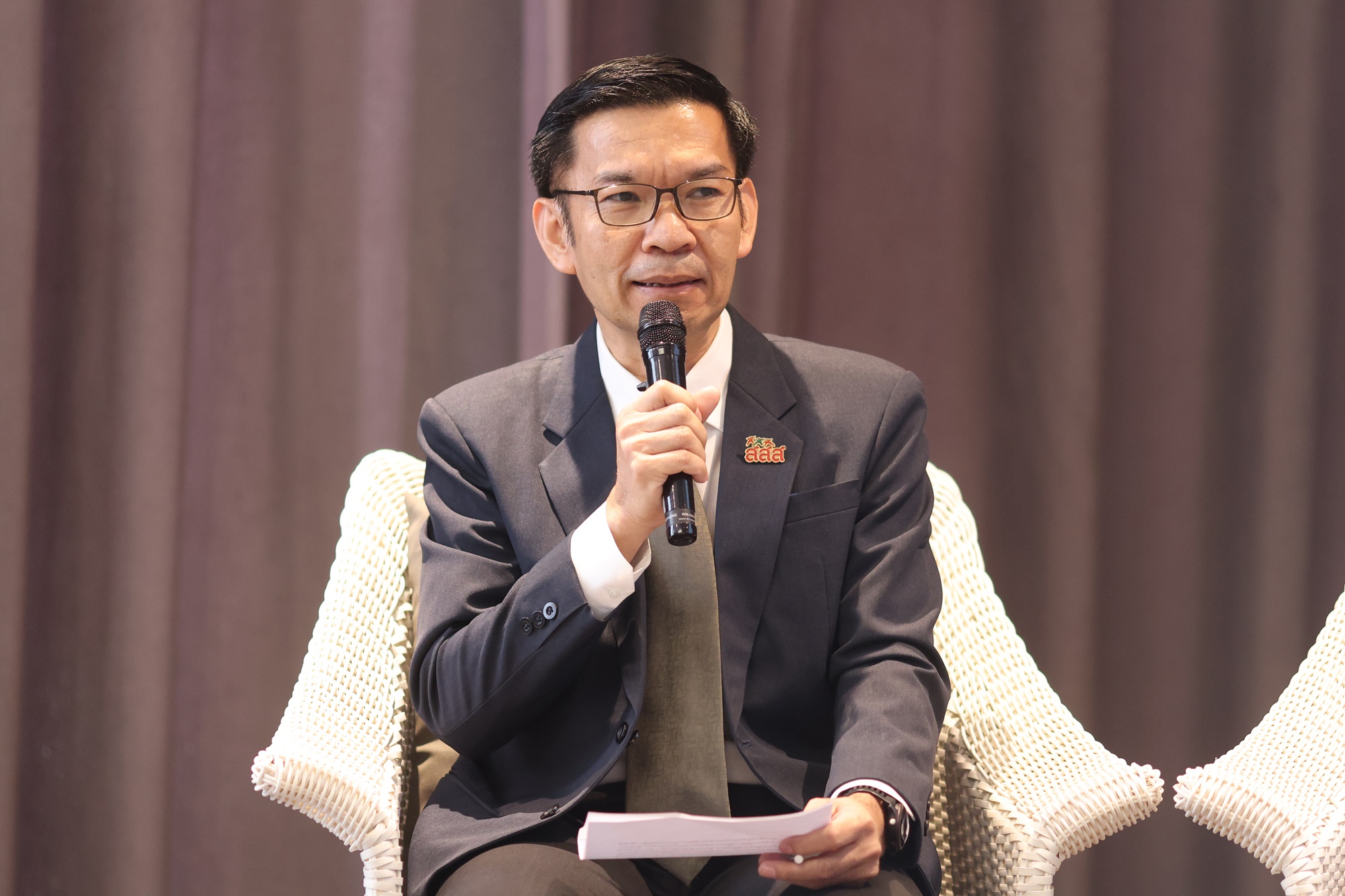
Assistant Professor Dr Jaruayporn Srisasalux, Deputy Director of the Health Systems Research Institute (HSRI), said the institute prioritizes accurate, comprehensive and impartial research evidence to support health policy development. The conference provides an important opportunity to use research to identify both the strengths and gaps in Thailand's universal health coverage system, helping relevant organizations understand the situation and use the evidence appropriately. HSRI also emphasizes follow-up on conference proposals, particularly Calls to Action, to move policy recommendations into implementation. This year's proposals are expected to address stronger UHC governance, efficient management of resources and budgets, and reduced inequities in access to healthcare.
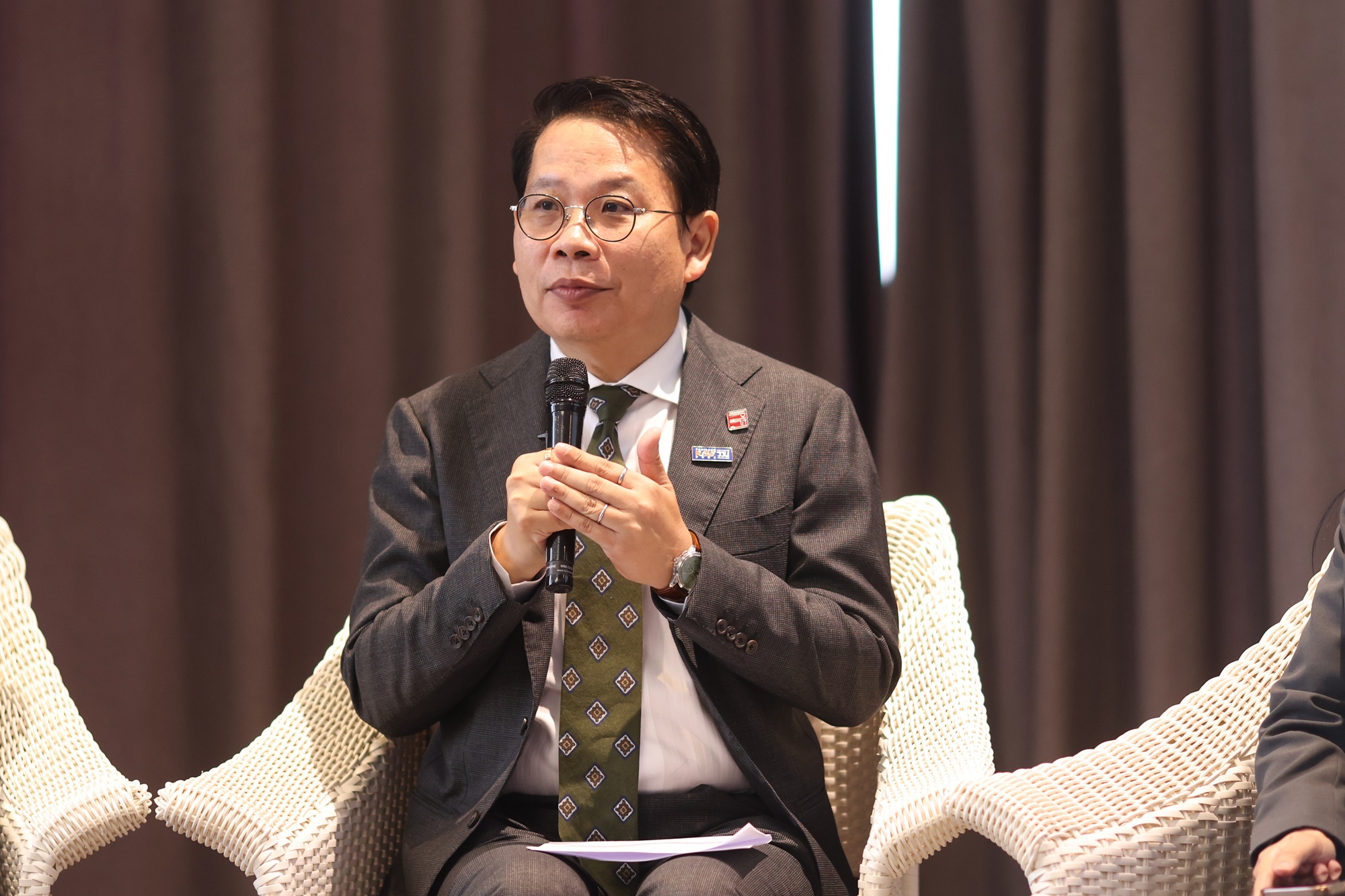
Dr Chawetsan Namwat, Director of Health Systems Development Section at the Thai Health Promotion Foundation (ThaiHealth), said ThaiHealth supports people and partner networks in building the knowledge and capacity needed to participate in health policy development. Problems and real-world experience from communities should be combined with academic evidence to develop actionable proposals on health promotion, risk reduction and health-enabling environments alongside medical care. Vulnerable groups should be able to participate in identifying problems, developing proposals, making decisions and monitoring results. Continued institutional responsibility and resources are also needed so that conference proposals lead to greater access to essential services and enable people to take better care of their own health and that of their communities.
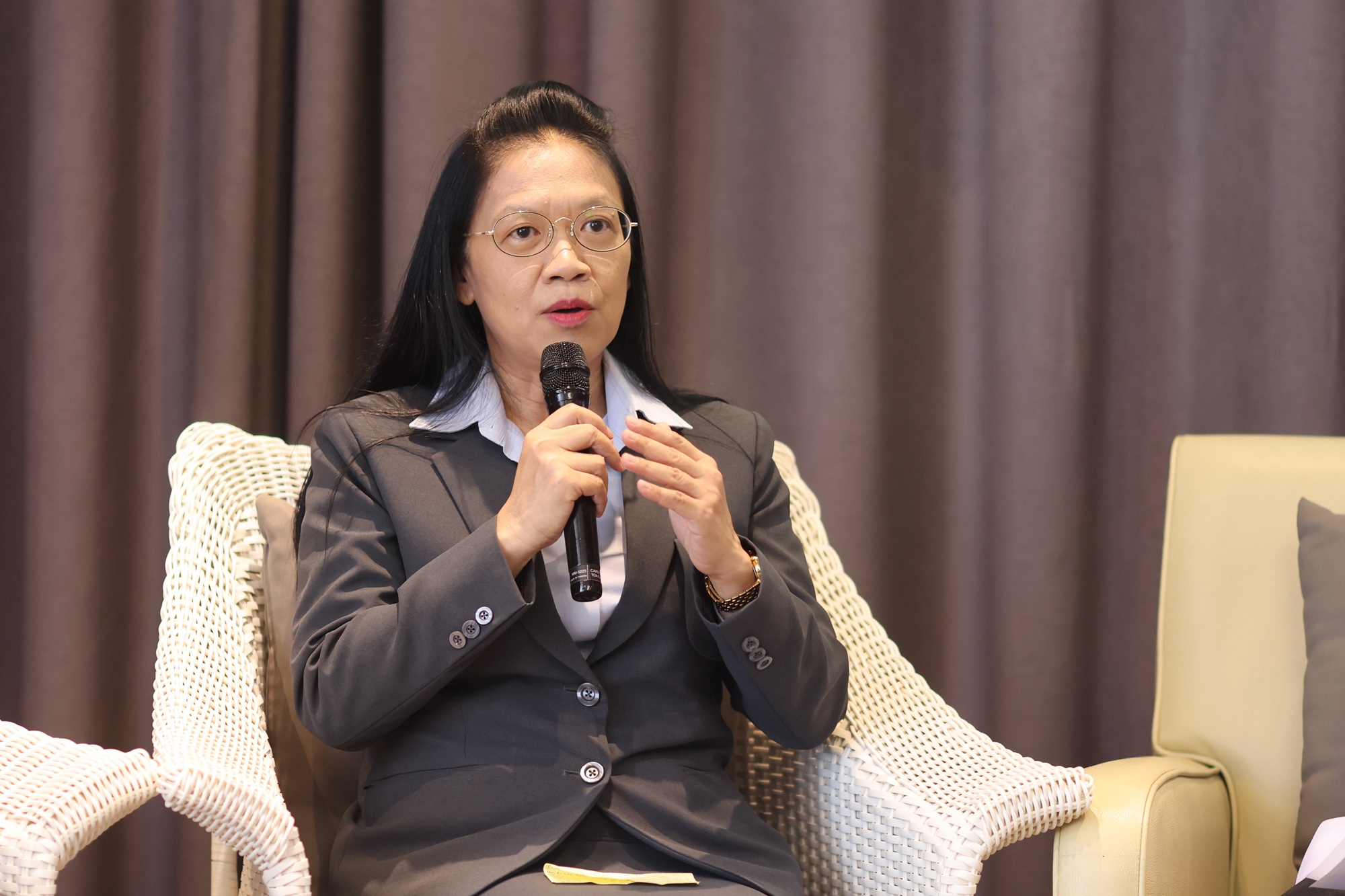
Professor Dr Wisanu Mee-oo, Deputy Director of Thailand Science Research and Innovation (TSRI), said a strong and sustainable universal health coverage system requires knowledge from many disciplines, including medicine, public health, economics and the social sciences, as well as the experience of practitioners and the public. Thailand's science, research and innovation system has a role in connecting knowledge and different sectors so that research addresses health system needs. TSRI therefore supports research that responds to national priorities, cross-disciplinary collaboration, learning from local experience, experimentation, monitoring and evidence-based refinement. Research funding should also enable this work so that research delivers benefits for the public. This is consistent with 4PW's emphasis on knowledge creation and meaningful participation in UHC governance.
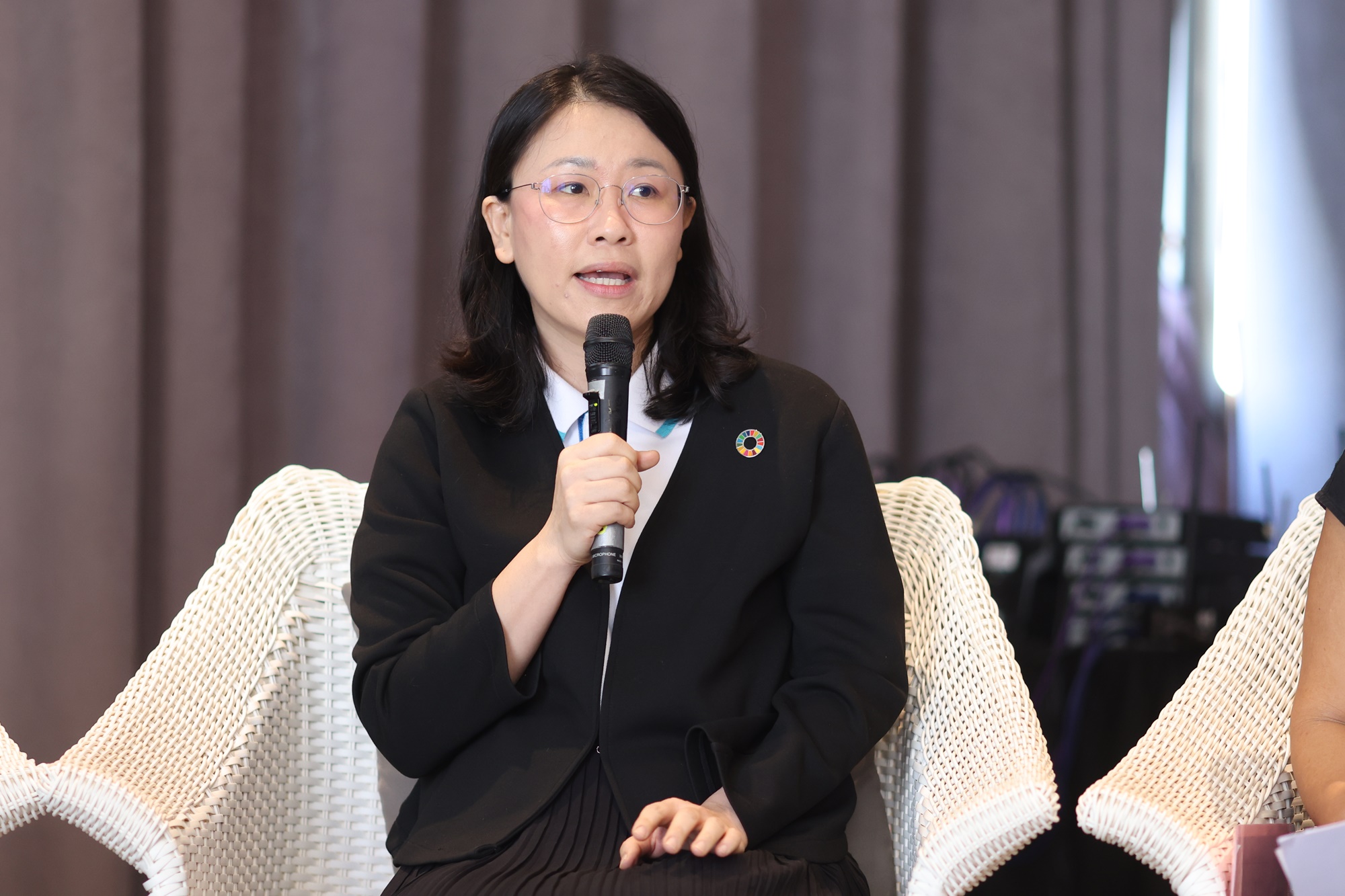
Dr Angkana Lekagul, Secretary-General of the International Health Policy Program (IHPP) Foundation, said the conference will go beyond exchanging views and producing proposals. It will help build shared understanding and a common direction for the development of universal health coverage. Academic evidence, practitioners' experience and public voices will be used to identify priorities, responsible organizations and the benefits expected for the public, through collaboration among health funds, government agencies, healthcare providers, academics and civil society. As the conference secretariat, the IHPP Foundation will coordinate with partners to bring the proposals into policy-development processes and support further study on issues where views still differ. It also proposes continuous monitoring of progress on the Call to Action, with public communication on implementation results and obstacles, so that universal health coverage responds more effectively to people's needs.
Further information
The National UHC Conference 2026 will take place from 1-3 December 2026 at Pullman King Power Bangkok (Rangnam). The main conference will be livestreamed on the National Health Security Office Facebook page from 9.30 a.m. to 5.30 p.m.
The conference is organized through cooperation among 18 partner organizations
1. Ministry of Public Health
2. Ministry of Foreign Affairs
3. World Health Organization
4. National Health Security Office (NHSO)
5. Thai Health Promotion Foundation (ThaiHealth)
6. Health Systems Research Institute (HSRI)
7. National Health Commission Office (NHCO)
8. Faculty of Medicine Siriraj Hospital, Mahidol University
9. Faculty of Medicine Ramathibodi Hospital, Mahidol University
10. Thailand Science Research and Innovation (TSRI)
11. Technology and Innovation in Life Sciences National Agency (Public Organization) (TILSNA)
12. Healthcare Accreditation Institute (Public Organization) (HAI)
13. World Bank
14. Japan International Cooperation Agency (JICA)
15. Partnership Project for Global Health and Universal Health Coverage (GLO+UHC)
16. People Who Love Universal Health Coverage Group
17. Health Intervention and Technology Assessment Program Foundation (HITAP Foundation)
18. International Health Policy Program Foundation (IHPP Foundation)