



On 19 November, the National Health Security Office (NHSO) marked its 24th anniversary and set out its direction for its 25th year. The agency will work to ensure access to essential health services, support healthcare providers in delivering continuous care and manage the fund efficiently. It will also listen to beneficiaries and providers and work with partners to strengthen the Gold Card system as a sustainable and dependable source of health security for the public.
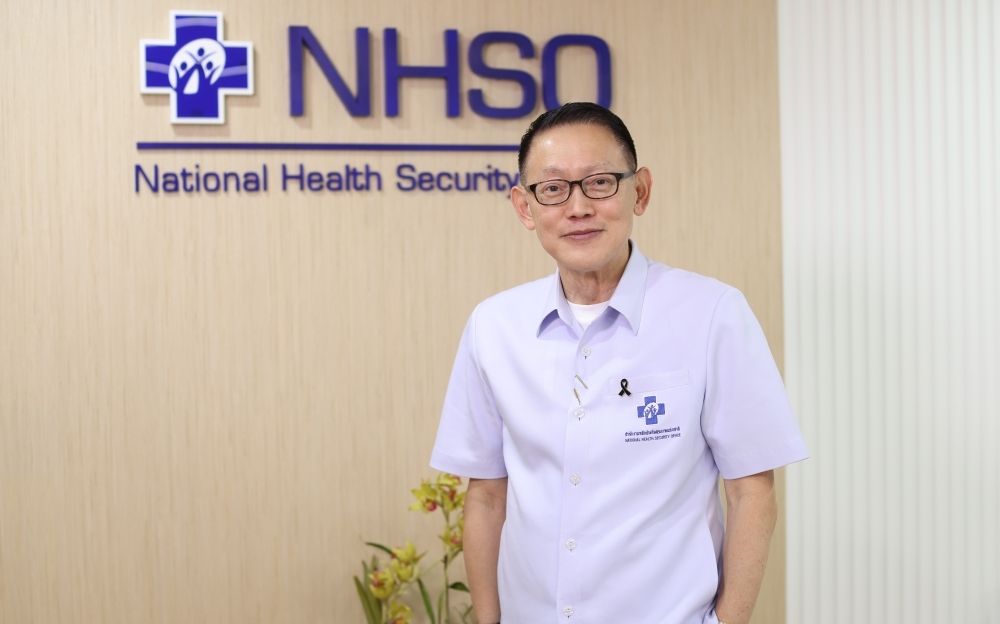
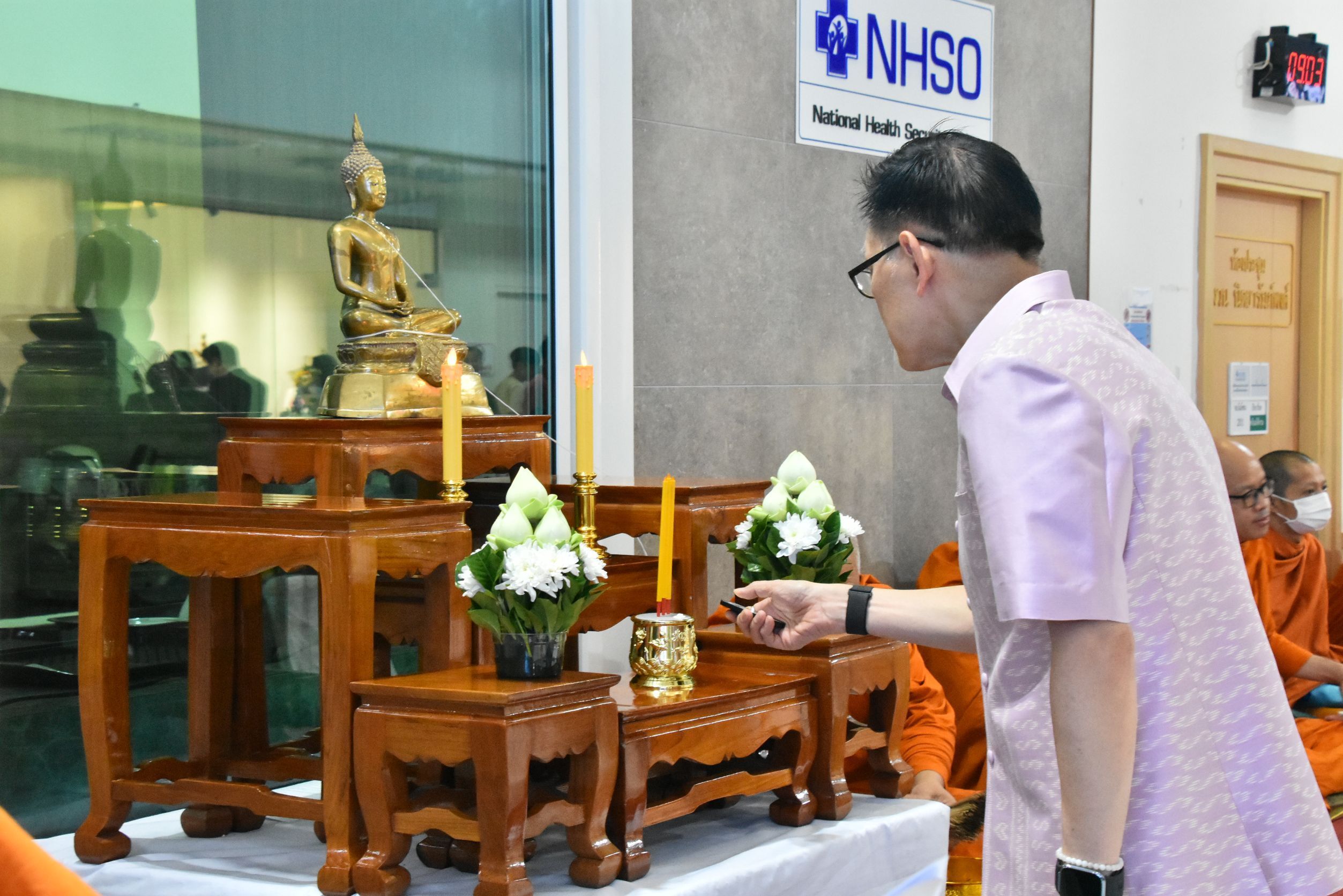
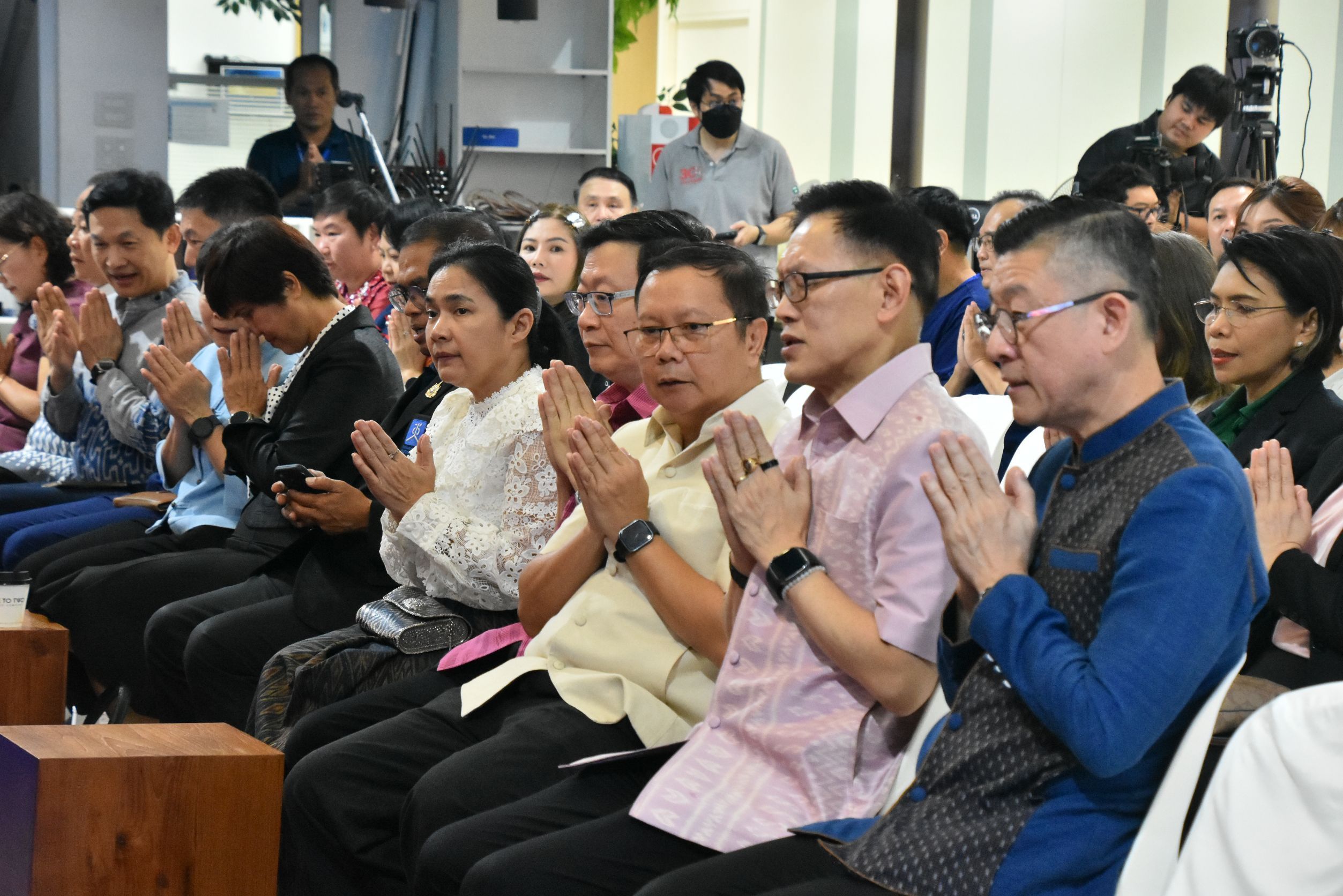
The NHSO held a ceremony to mark the 24th anniversary of its establishment, observed each year on 19 November. Dr Jadej Thammatacharee, Secretary-General of the NHSO, led executives and staff in a Buddhist ceremony and in placing a garland before the portrait of Dr Sanguan Nittayarumphong, the NHSO's first Secretary-General and a driving force behind Thailand's universal health coverage system. The ceremony honored a key pioneer of the Gold Card system and reflected on the work that has enabled all Thais to access healthcare on an equitable basis.
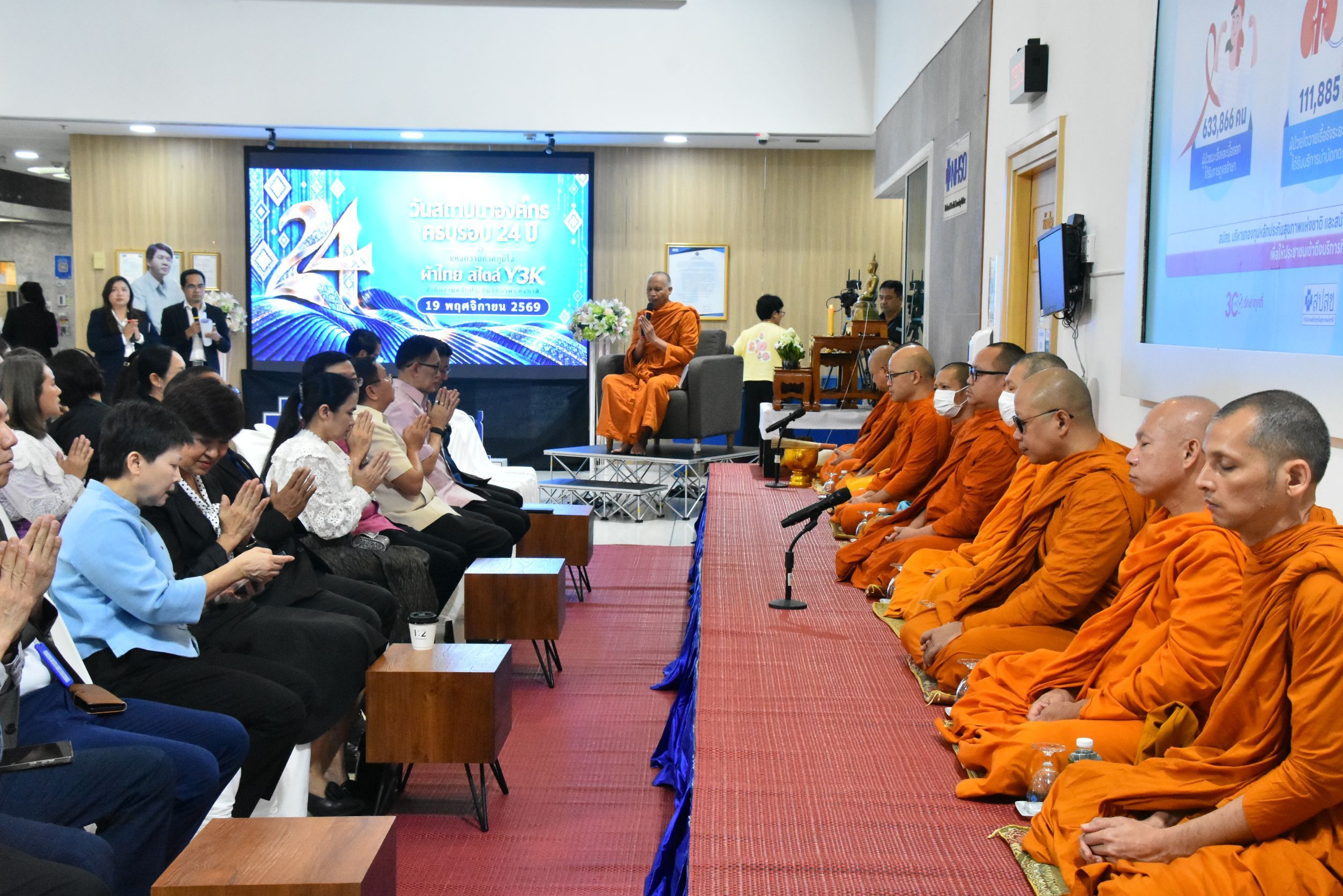
On this occasion, Phra Khru Sirikhunakon (Akorn Uttamapanyo), Assistant Professor Dr and Assistant Abbot of Wat Chonprathan Rangsarit Royal Monastery, delivered a Dhamma sermon entitled 'MINDFUL AI: Advancing Technology without Losing Our Way' for the benefit of NHSO personnel and distinguished guests attending the event.
Dr Jadej said 19 November 2026 marked the NHSO's 24th anniversary and the beginning of its 25th year. The agency remains committed to managing the National Health Security Fund, which finances the Universal Coverage Scheme (UCS), widely known as the '30-baht Gold Card' scheme. Its aim is to ensure access to essential services while reducing health inequities and the financial burden of illness, in accordance with the National Health Security Act B.E. 2545 (2002). Under the 2027 budget framework, the scheme covers 47.17 million beneficiaries. Going forward, the system must prioritize access to services, support healthcare providers in delivering continuous care and use resources appropriately, while responding to an ageing society, chronic diseases, advances in medical technology and rising health expenditure.

'When people fall ill, they must be confident that they will receive the care they need and that someone will help coordinate services if they encounter problems in exercising their healthcare rights. At the same time, healthcare providers must receive the support they need to care for patients. Fund management must therefore be connected with service delivery so that the Gold Card remains a dependable source of support for the public,' Dr Jadej said.
Over the past 24 years, Dr Jadej said, the Gold Card system has expanded its coverage across health promotion and disease prevention, diagnosis, treatment and rehabilitation. It has also improved access to high-cost services, including antiretroviral therapy for HIV, kidney replacement therapy, heart transplantation and liver transplantation for children, enabling patients to receive treatment in line with clinical need and established criteria.

In the 2025 fiscal year, 633,866 patients with cancer and tumors received treatment; 111,885 patients with end-stage kidney disease received kidney replacement therapy; and 325,325 people living with HIV and AIDS received antiretroviral medicines. These figures illustrate the scheme's support for high-cost treatment and continuous care, which helps ease the financial burden on patients and their families.
The NHSO has also made services more convenient through the Cancer Anywhere policy, which allows cancer patients to receive care from any provider ready to deliver the required service, and the 30 Baht Healthcare Anywhere policy. The latter expands primary care options through participating pharmacies and private clinics, according to the types of services authorized. This enables people to obtain care closer to home while reducing waiting times and hospital congestion.

For community-based care, the NHSO works with local administrative organizations to operate Local Health Security Funds, Provincial Health Security Funds and the public health long-term care system for older people and other individuals with dependency. These mechanisms enable local authorities, healthcare providers and communities to address the health problems and needs of each area together.
Dr Jadej said these advances were made possible by cooperation among health professionals, public and private healthcare providers, local authorities and civil society. However, problems in exercising healthcare rights and constraints in service delivery still require further improvement. The NHSO therefore places importance on listening to public views and working with rights-protection networks to help coordinate access to services and use their proposals to improve the system.
'The lesson from the past 24 years is that having a healthcare entitlement must go hand in hand with being able to access services in practice. We must therefore listen to both the public and the personnel who care for patients. I thank every sector that has helped develop the Gold Card system to where it is today. In our 25th year, the NHSO will use this experience and feedback to improve its work, so that people receive essential services equitably and can be confident that health security will protect them when they fall ill,' Dr Jadej said.