


The NHSO Board has approved revisions to payment for HIV services in fiscal year 2027, using care outcomes as a payment criterion. The changes aim to support people at risk to get tested and learn their status, ensure those diagnosed with HIV start antiretroviral treatment within seven days, and connect people who test negative but remain at risk to pre-exposure prophylaxis (PrEP) in line with service guidelines. The NHSO will monitor the results to inform budget planning for the following fiscal year.
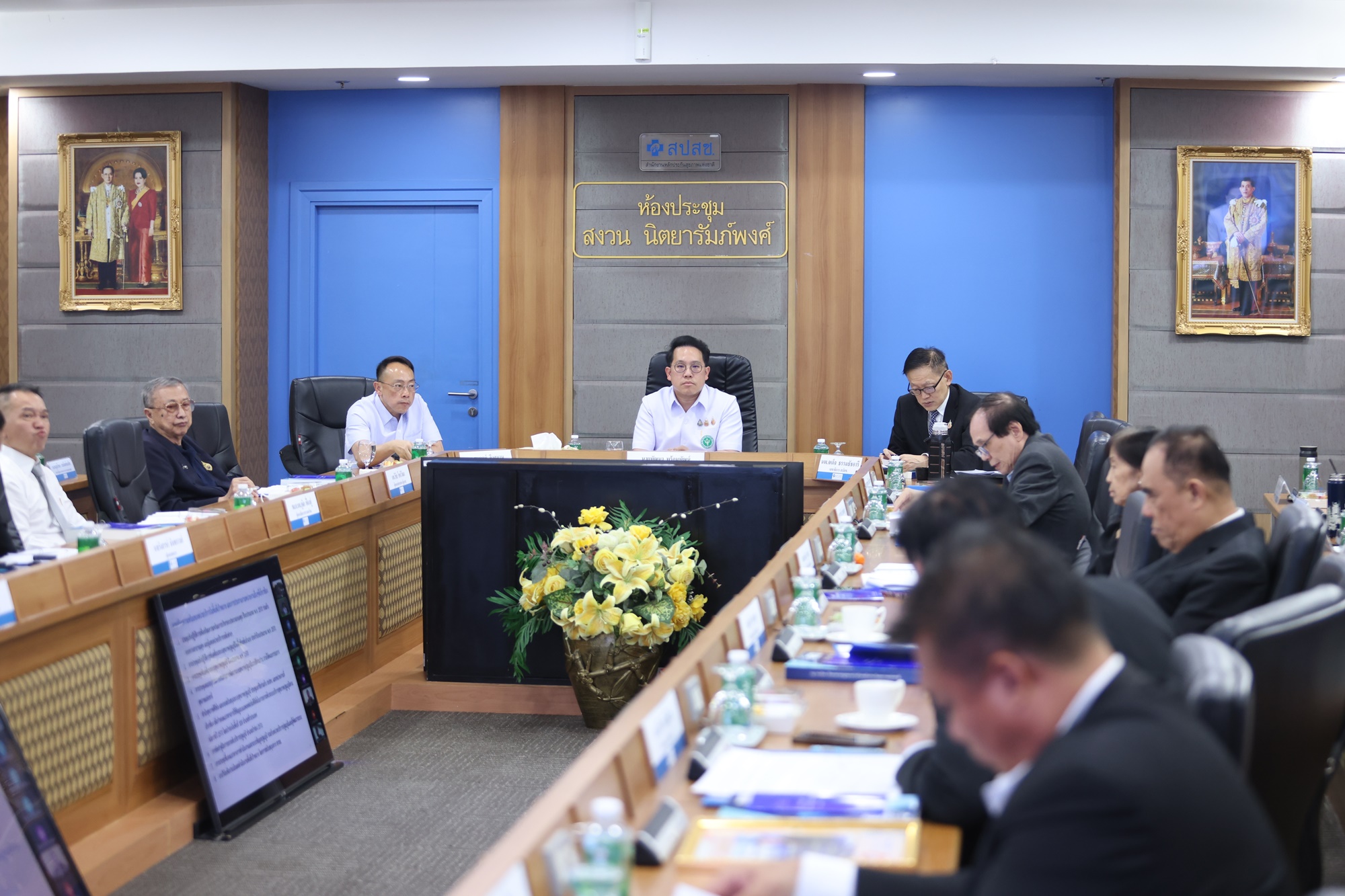
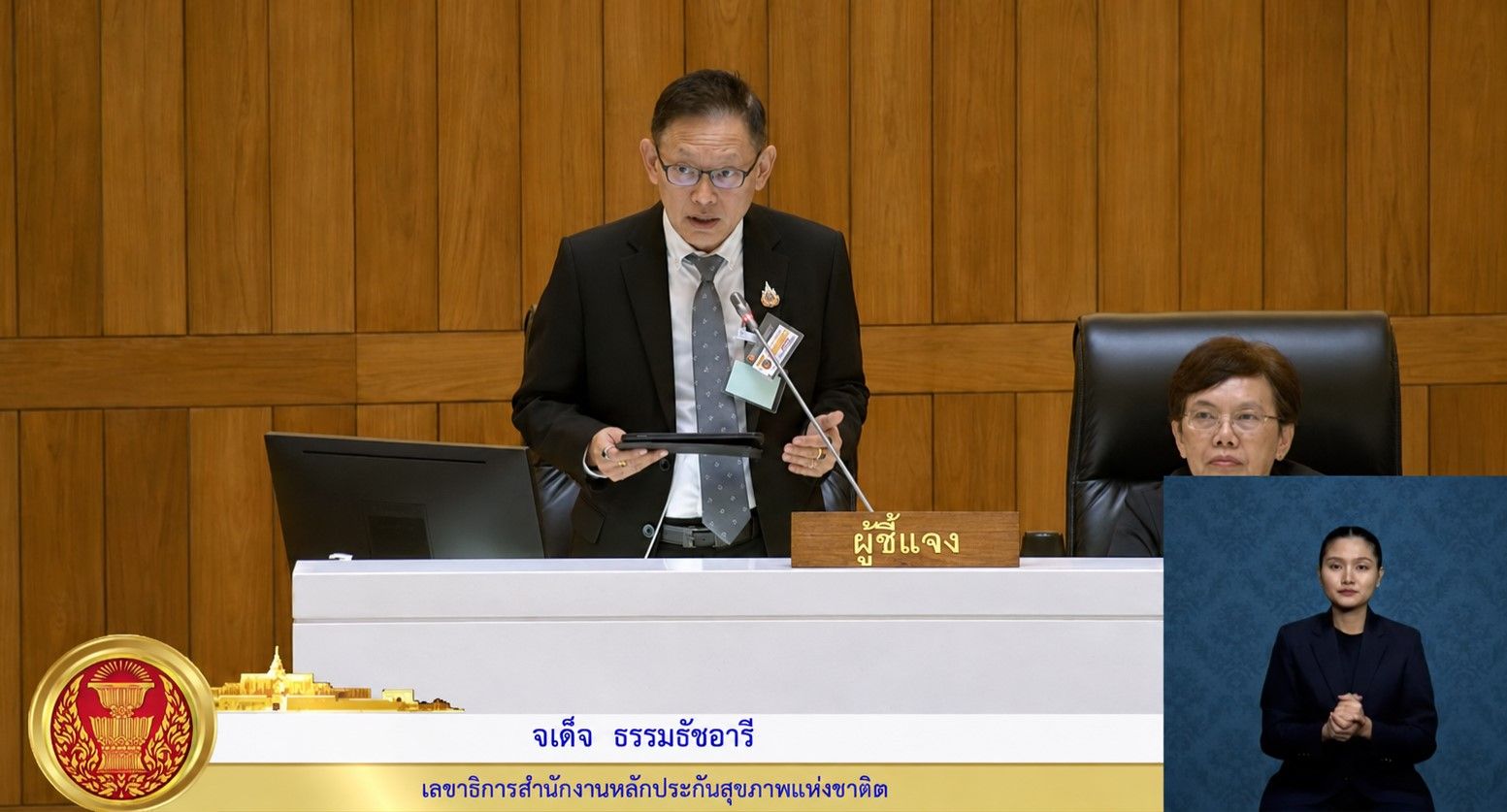
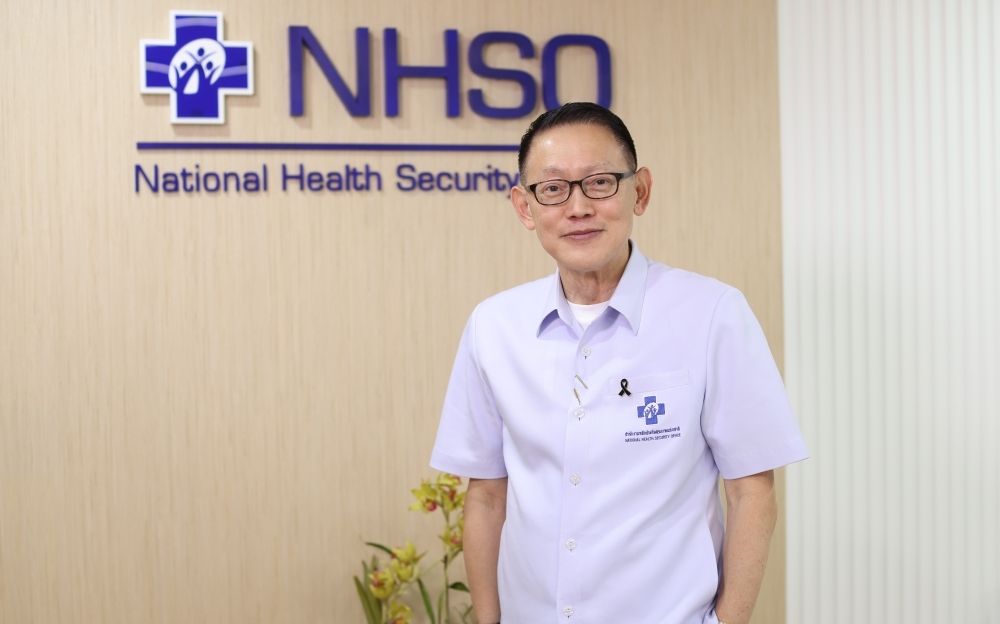
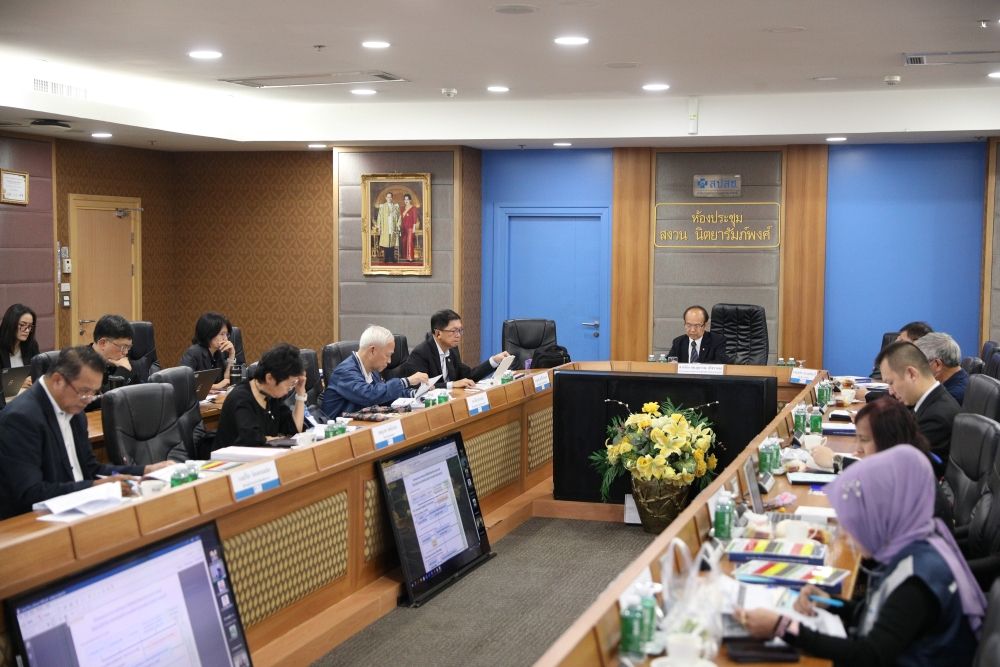
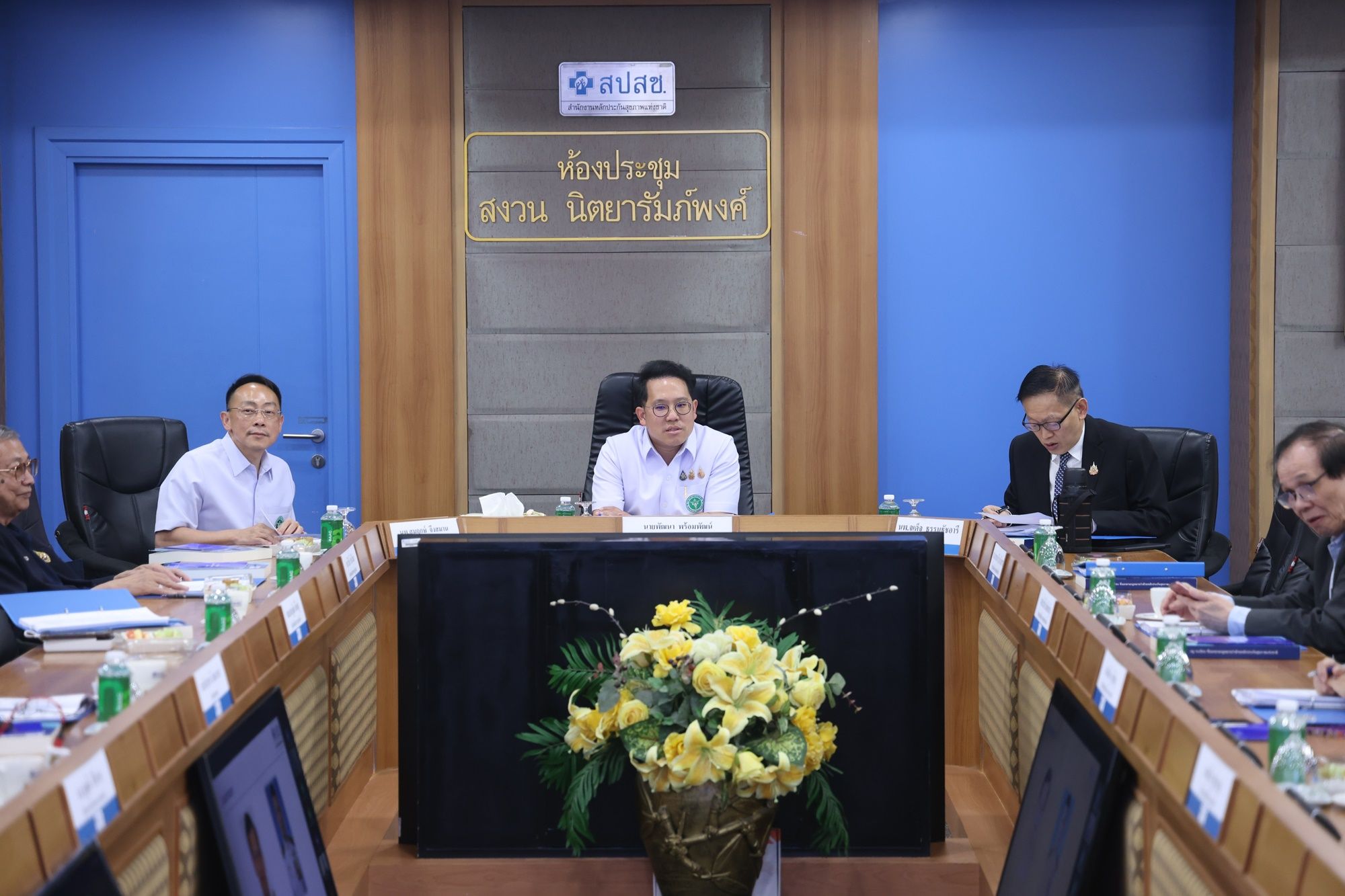
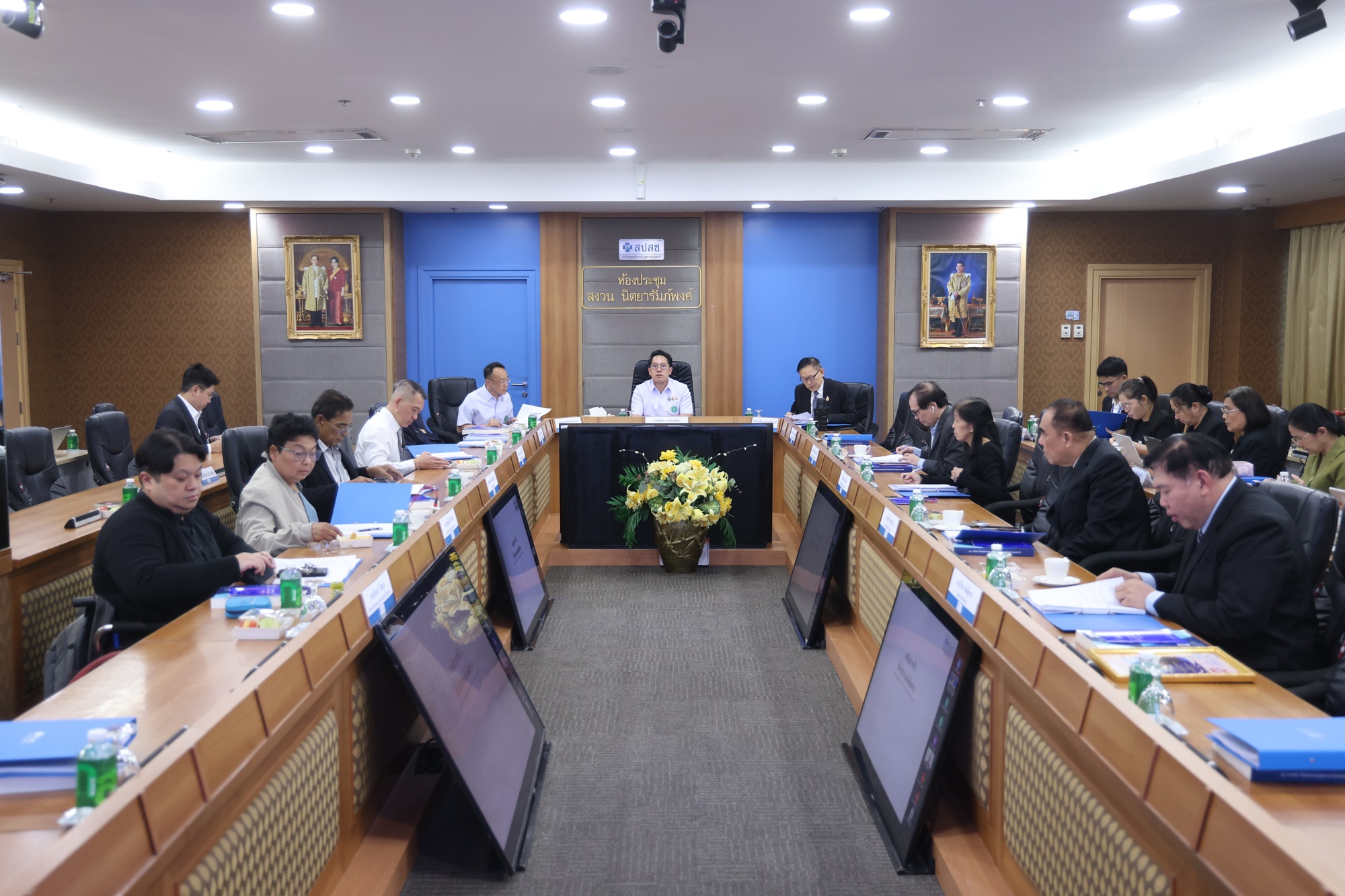
Dr. Jadej Thammatacharee, Secretary-General of the National Health Security Office (NHSO), said the National Health Security Board meeting on 4 November 2026, chaired by Pattana Promphat, Minister of Public Health, approved revisions to the payment model for HIV services and HIV prevention in fiscal year 2027. The changes were proposed by Dr. Sumet Ongwandee, Assistant Secretary-General of the NHSO, and place greater emphasis on care outcomes, an approach known as value-based payment, across the care pathway from reaching people at risk and providing testing and prevention to ensuring continuity of treatment.

The revisions cover proactive HIV prevention services, laboratory testing and follow-up care for people living with HIV and people with AIDS. Service outcomes will be used as a basis for payments to healthcare providers. The NHSO will continue to supply antiretroviral and lipid-lowering medicines in kind as before.
For prevention services, the central objective is to ensure that people at risk are tested and learn their HIV status. Those diagnosed with HIV must be linked to antiretroviral treatment within seven days of receiving their results. People who test negative but remain at risk will be referred for PrEP, or pre-exposure prophylaxis, in accordance with service guidelines. The NHSO will monitor PrEP use and use the resulting data to plan budget allocations for fiscal year 2028.
Dr. Jadej said previous payments for proactive HIV prevention services were based on service items and contracts, while spending on prevention and laboratory testing exceeded the allocated budget. The revised model is intended to align payments more closely with outcomes for the public while maintaining sufficient budget management. Over the next four years, the operational plan aims to identify an average of 40,000 people living with HIV each year, with at least 20,000 identified through proactive outreach and at least 20,000 through healthcare providers annually. This target is based on an estimate that approximately 110,000 people living with HIV have yet to be identified. The plan also aims to provide PrEP to 140,000 people at high risk each year.
Proactive services will focus on priority populations, including men who have sex with men, transgender women, sex workers, people who inject drugs, young people aged 15-24, people over 50 who are at risk, and partners of people living with HIV in the priority populations. Services will be tailored to the needs of each group to make testing, prevention and treatment more accessible.
Dr. Jadej added that the HIV prevention budget includes an advance allocation of 185 million baht for healthcare providers to prepare and deliver proactive services. Two additional components will be paid according to care outcomes: 100 million baht for identifying 20,000 people living with HIV and linking them to antiretroviral treatment within seven days, and 55 million baht for referring 100,000 people who test negative to receive PrEP. The latter forms part of the overall PrEP target. Providers must record data to follow up people who test negative and remain HIV-negative, but no additional payment will be made for this item.
Antiretroviral treatment and related services have a total budget framework of 3.65176 billion baht. This comprises approximately 3.03 billion baht for antiretroviral and lipid-lowering medicines, and approximately 621 million baht for laboratory testing and follow-up care. Of the testing and follow-up budget, 590 million baht will be paid within the allocated ceiling according to treatment outcomes assessed toward the end of the year. A further 31 million baht is reserved centrally to support care that helps people living with HIV maintain a viral load below 200 copies per millilitre and to cover high-cost services such as HIV drug-resistance testing, supporting continuity of care.
“What we want to see is for people at risk to be tested and learn their results quickly. Those who are diagnosed with HIV should start treatment promptly and receive continuous care, while people who remain HIV-negative should have access to appropriate prevention. This payment reform therefore focuses on care outcomes so that the budget delivers benefits to the public and enables healthcare providers to offer comprehensive care from prevention through treatment,” said Dr. Jadej.