


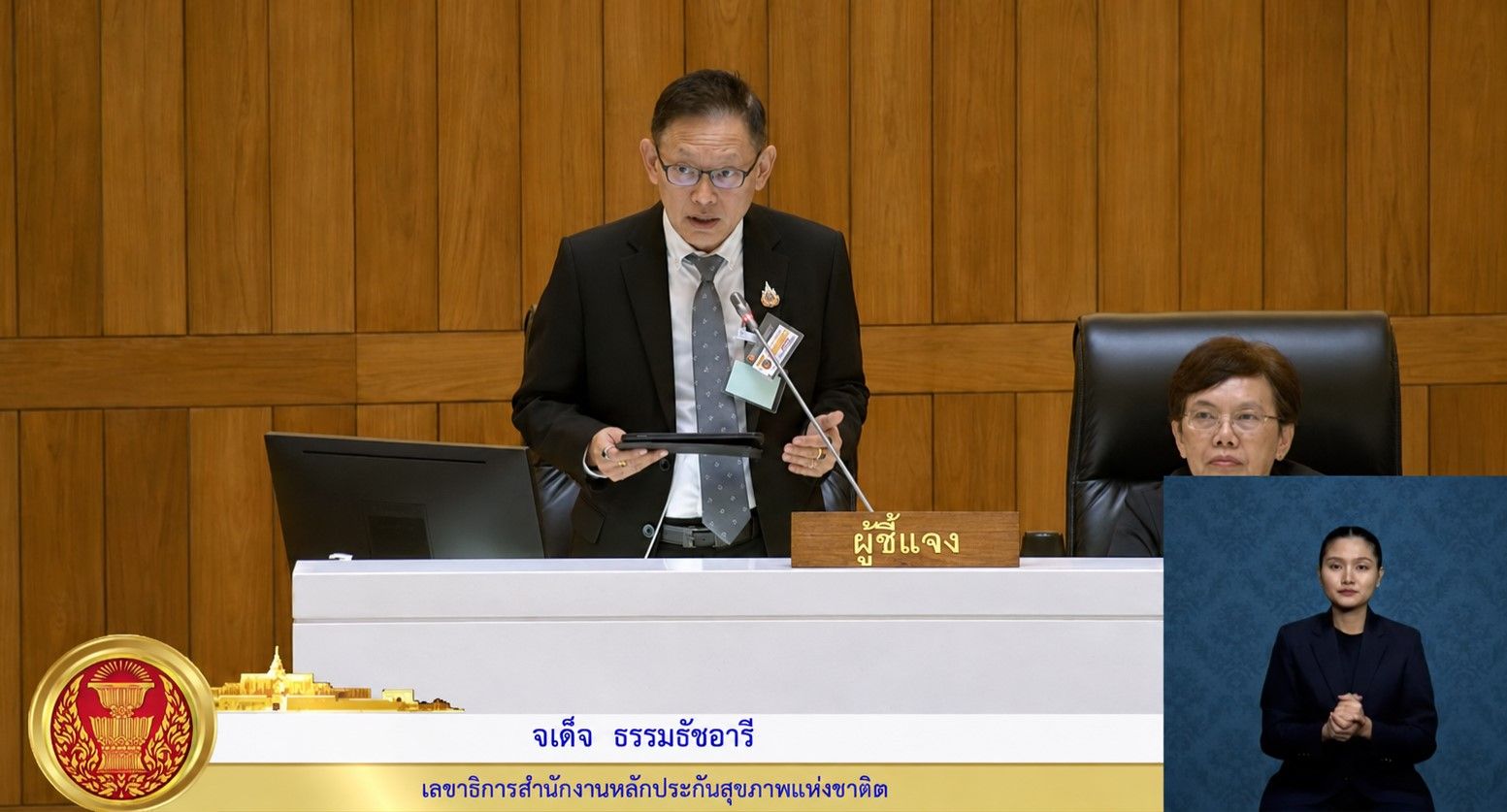
In 2025, Universal Coverage Scheme beneficiaries made more than 185 million outpatient visits and over 7 million inpatient admissions. The NHSO also reported on fund management and audited financial statements to Parliament, while welcoming MPs’ recommendations on Bangkok’s referral system, hospital liquidity and easier access to information.
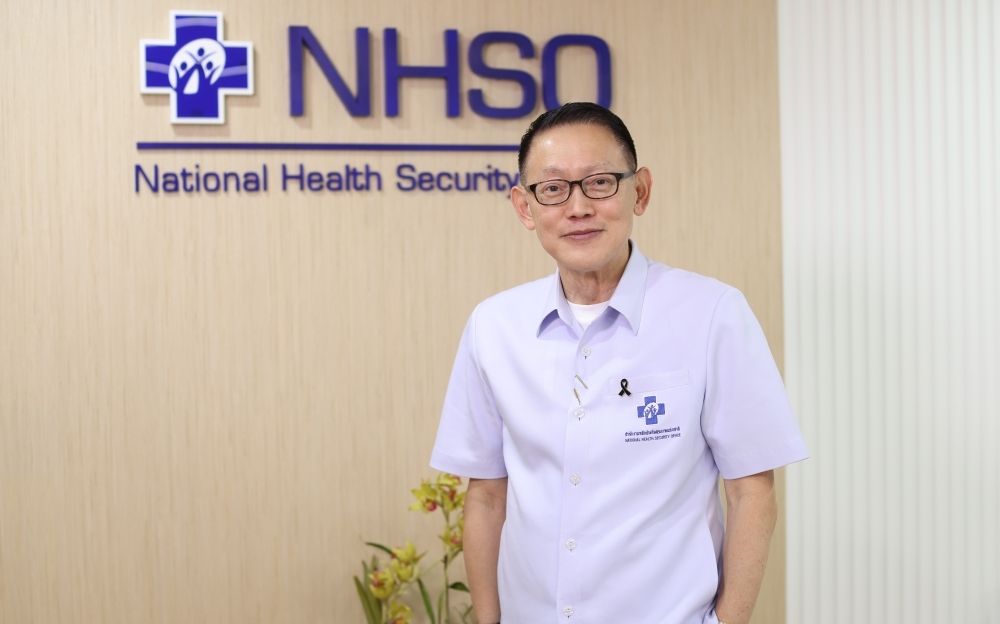
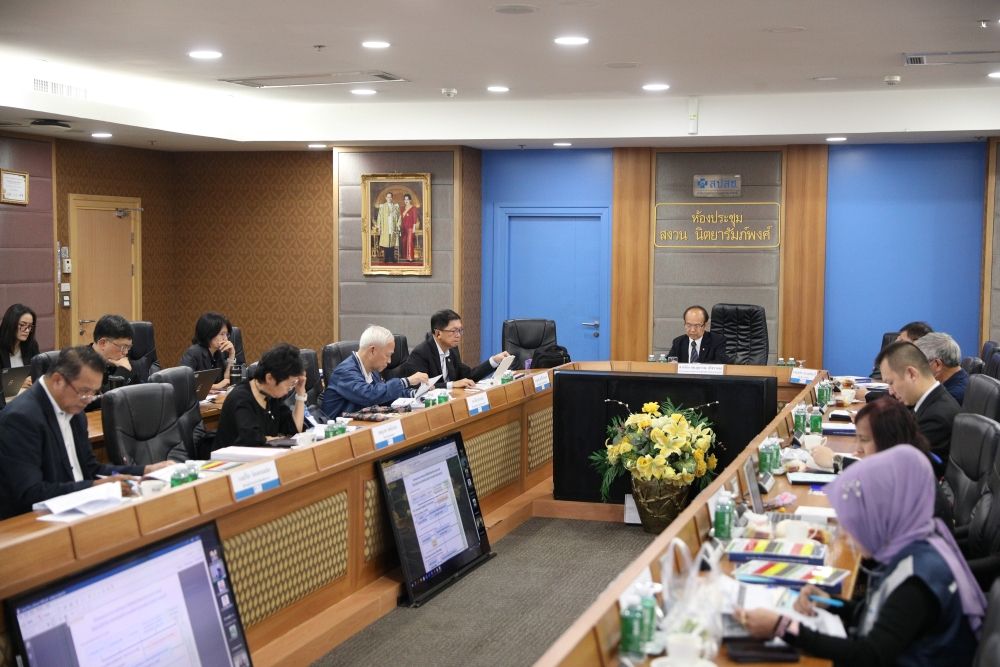
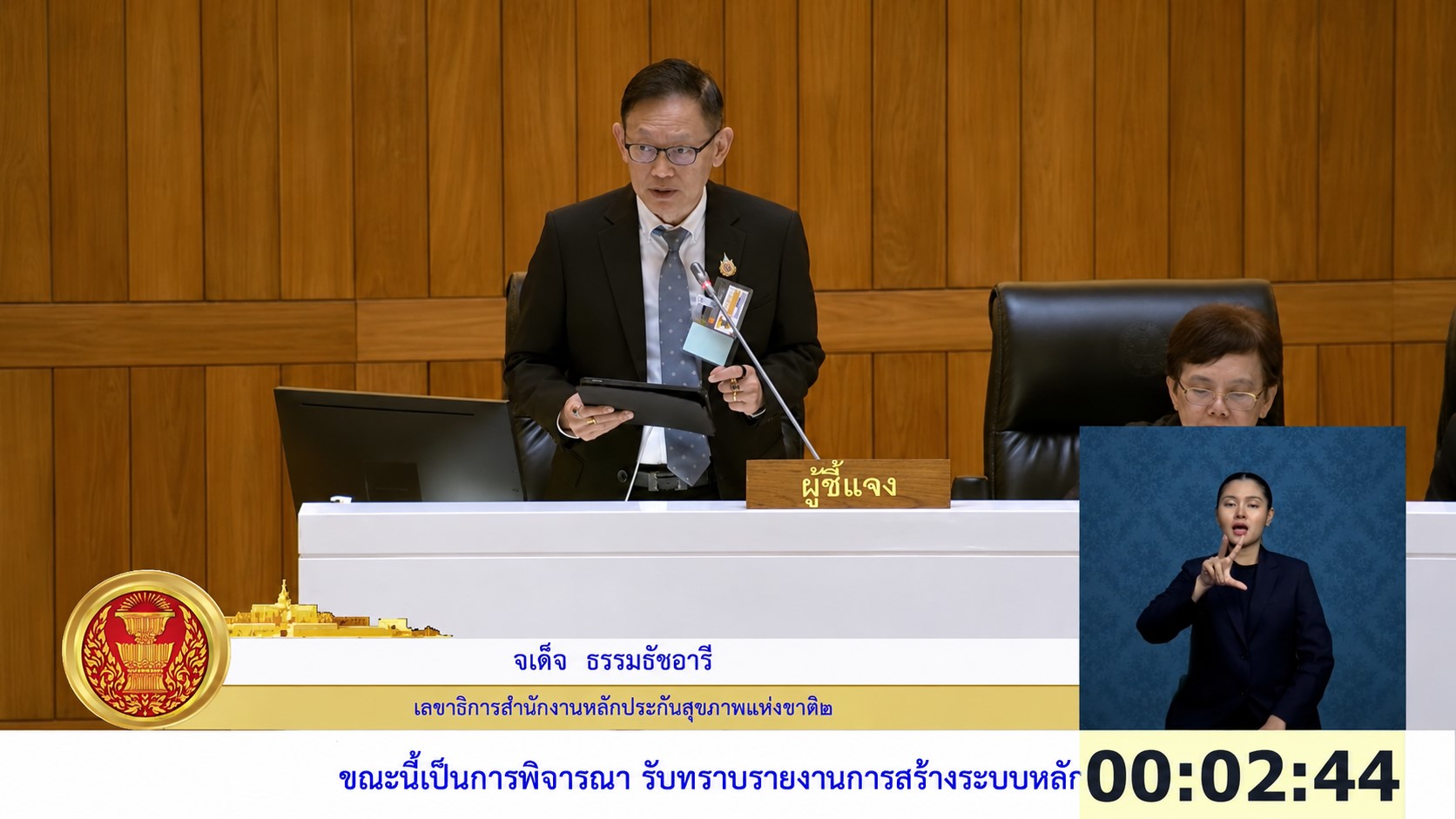
Dr. Jadej Thammatacharee, Secretary-General of the National Health Security Office (NHSO), said that on 5 November 2026 he briefed the House of Representatives at Parliament during its consideration of reports on the implementation of Thailand’s national health security system for fiscal years 2024–2025 and the National Health Security Fund’s financial statements for fiscal years 2023–2024. The briefing covered operational results, fund management and efforts to improve access to services. He also answered questions and received recommendations from Members of Parliament (MPs).
In fiscal year 2025, 47.026 million people were entitled to the Universal Coverage Scheme (UCS), commonly known as the Gold Card scheme. Of these, 46.802 million had registered with a regular healthcare unit, representing 99.52%. The number of registered healthcare units increased from 24,277 in 2024 to 30,423 in 2025—an increase of 6,146 units that supports greater public access to services.
UCS beneficiaries made 185.776 million outpatient visits and 7.079 million inpatient admissions in 2025. The benefits package was also updated in response to health needs. New and expanded services included non-invasive prenatal testing (NIPT) to screen for Down syndrome in pregnant women, gender-affirming hormone services, patient transport for people who have difficulty travelling, and treatment using essential medical technologies.
On fund management, the NHSO reported on its budget allocations, payments to healthcare units and administrative expenditure. Resource allocation was guided by people’s healthcare needs and efficient use of resources. The State Audit Office of the Kingdom of Thailand audited the fund’s financial statements for 2023–2024 and found that they were fairly presented, in all material respects, in accordance with public-sector accounting standards.
MPs seek improvements in referrals hospital liquidity and data transparency
Dr. Jadej said MPs raised questions and recommendations concerning hospitals’ financial positions, referral documents in Bangkok, the distribution of healthcare units and data transparency. The NHSO explained its current approaches and agreed to consider the recommendations.
On hospital liquidity, Ministry of Public Health data at the end of fiscal year 2026 showed that only one hospital under the ministry remained at financial crisis level 7. The NHSO, the ministry and healthcare units are continuing to monitor and address financial problems. They are also discussing clearer payment amounts and schedules so hospitals can plan their finances more effectively.
In Bangkok, part of the referral-document problem stems from capitation payments to Warm Community Clinics, which must bear the costs when referring patients to hospitals. The NHSO is therefore preparing to pilot a new model under which referral hospitals manage and oversee clinics in their networks. The pilot will begin at Ratchaphiphat Hospital, with results monitored before any further expansion is considered.
Bangkok currently has more than 200 Warm Community Clinics and over 1,000 innovative service units operating under the 30-Baht Healthcare Anywhere policy. Together, they strengthen primary care and frontline services, enabling people to receive care closer to home. The NHSO will use the recommendations to improve the distribution of healthcare units. Patients who complete treatment at an innovative service unit do not need to repeat the same treatment at their regular hospital because their treatment information can be transmitted back to that hospital.
To support transparency, the NHSO already publishes information on allocations to individual clinics and hospitals on its website. It will make this information easier to access and will also improve access to service-quality information to help people choose healthcare units.
Dr. Jadej also cited pneumococcal conjugate vaccine (PCV) for children as an example of how the NHSO considers clinical effectiveness and value for money while using the fund’s purchasing power to negotiate prices and coordinating procurement with relevant agencies. The market price had exceeded 1,000 baht per dose, but the latest procurement price was reduced to 80 baht per dose. The NHSO will also continue to support proactive primary care, enabling health teams to care for people in their communities—particularly those with chronic diseases—to reduce complications and severe illness. “The NHSO will use MPs’ questions and recommendations to improve budget allocation, support for healthcare units, access to services and data disclosure in collaboration with relevant agencies. Our goal is to ensure that people receive the services they need continuously, while the fund is managed efficiently and transparently,” Dr. Jadej said.
////////////////////////////