





Build trust toward the Universal Coverage Scheme
Dr Jadej Thammatacharee
Secretary-General of National Health Security Office (NHSO)
Since its introduction in 2002, Universal Coverage Scheme (UCS) has become Thailand’s most vital social welfare program — covering healthcare for nearly 48 million people.
The scheme has evolved in the past two decades to tackle multiple challenges, from emerging diseases, and an aging society and to the COVID-19 pandemic.
It has also involved a continual process of health finance and benefits package development, which are the most-mentioned components of UCS.
However, I want to emphasize other components that are as important as the financial mechanism and coverage.
They are trust-building and public participation.
Let me start with trust-building, which is very essential at the early stage of the healthcare scheme’s development.
The UCS is funded by tax with an annual budget cap, allowing its beneficiaries to access free healthcare services.
But many people, technically called health purchasers, initially doubted if the health services provided under the scheme were in good quality.
They didn’t believe that quality would accompany ‘free’ services.
On the other hand, many health providers were against UCS which introduced a capitation payment system — meaning the amount of funding allocated at each hospital depends on population and disease trends in its geographical coverage area.
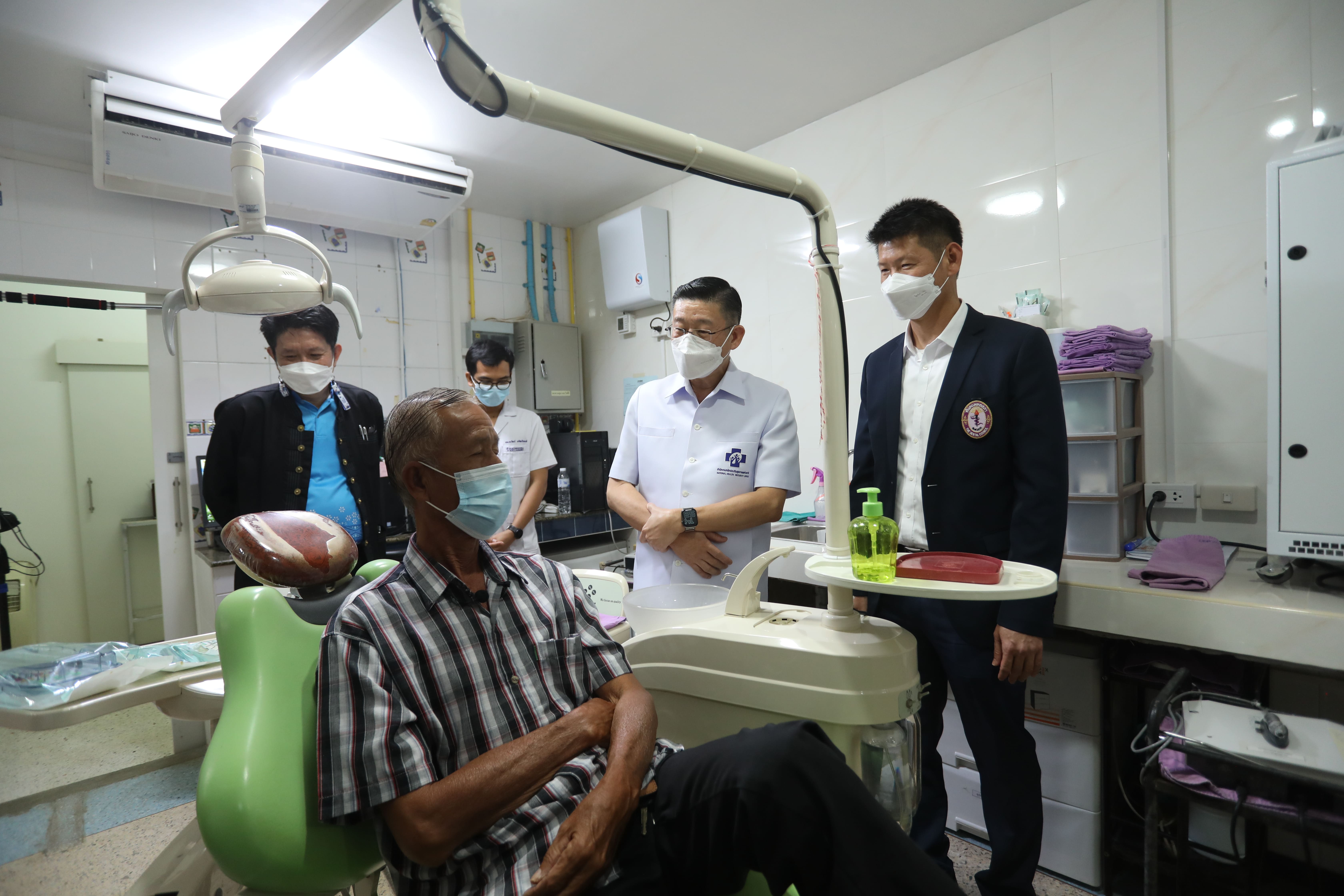
Hospital operators suspected that the payment would be meager and force them to reduce the quality of health services.
They were also concerned that their staff would not be paid reasonably.
With these doubts, the UCS service purchaser fund manager, National Health Secuirity Office (NHSO) must work hard to win “the hearts and minds” of all stakeholders.
We must find ways to increase the trust and confidence of both health purchasers and providers while convincing them that the scheme would not jeopardize the health system.
In the meantime, we must demonstrate that UCS would strengthen the health system while preventing health impoverishment for the Thai people.
To achieve this, information transparency and public participation came into play.
We started by issuing the guideline of capitation payment to help health providers understand its methodology and reimbursement system.
For high-cost diseases, we introduced special funds for cancer, HIV/AIDs, kidney and heart disease which health providers would not carry the financial burden when providing treatment to patients.
We have regularly arranged public hearings to hear the suggestions from health providers, so we can solve their challenges and improve the efficiency of the reimbursement system.
On the health purchasers’ side, we ensure the quality of health service by working closely with Public Health Ministry of Public Health to issue medical guidelines and monitor health providers.
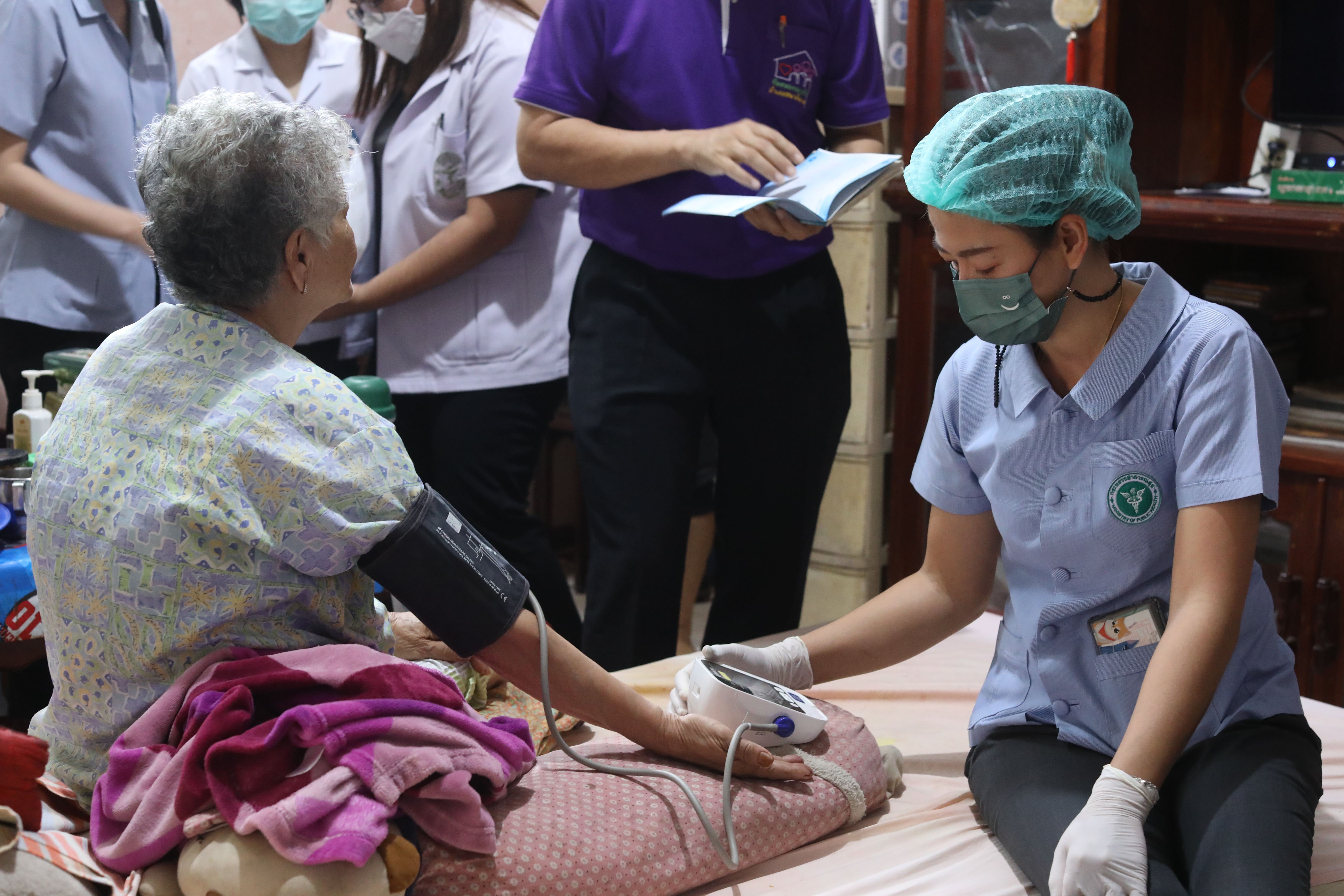
Patients have multiple channels — including our hotline, social media platforms, and local and regional offices — to voice out their concerns and file complaints relating to medical errors and adverse effects.
Patients are also included in public hearings where they can suggest new items for the benefits package.
With all of these, UCS has gradually gained the trust of stakeholders.
The time proves that health providers don’t go bankrupt by the capitation payment system. Patients don’t receive poor healthcare services as they imagined.
Moreover, we can prove that UCS has benefits in social and economic aspects while improving the Thai population’s health outcomes — which even builds more trust and confidence in the scheme.
The number of households facing catastrophic health expenditures reduced from 7.94% to 1.93% in 1988 and 2020. Households experiencing health impoverishment declined from 2.36% to 0.21% in the same period of time.
Thai people could access free testing and treatment regardless of their financial status during the COVID-19 pandemic, thanks to the availability of health finance under UCS.
Despite this success, I must admit that the scheme has yet gained 100% trust from stakeholders.
The UCS has created an unintended consequence in which a large number of patients visit hospitals because they are not afraid of expensive healthcare costs.
This leads to hospital crowding that can affect the quality of care.
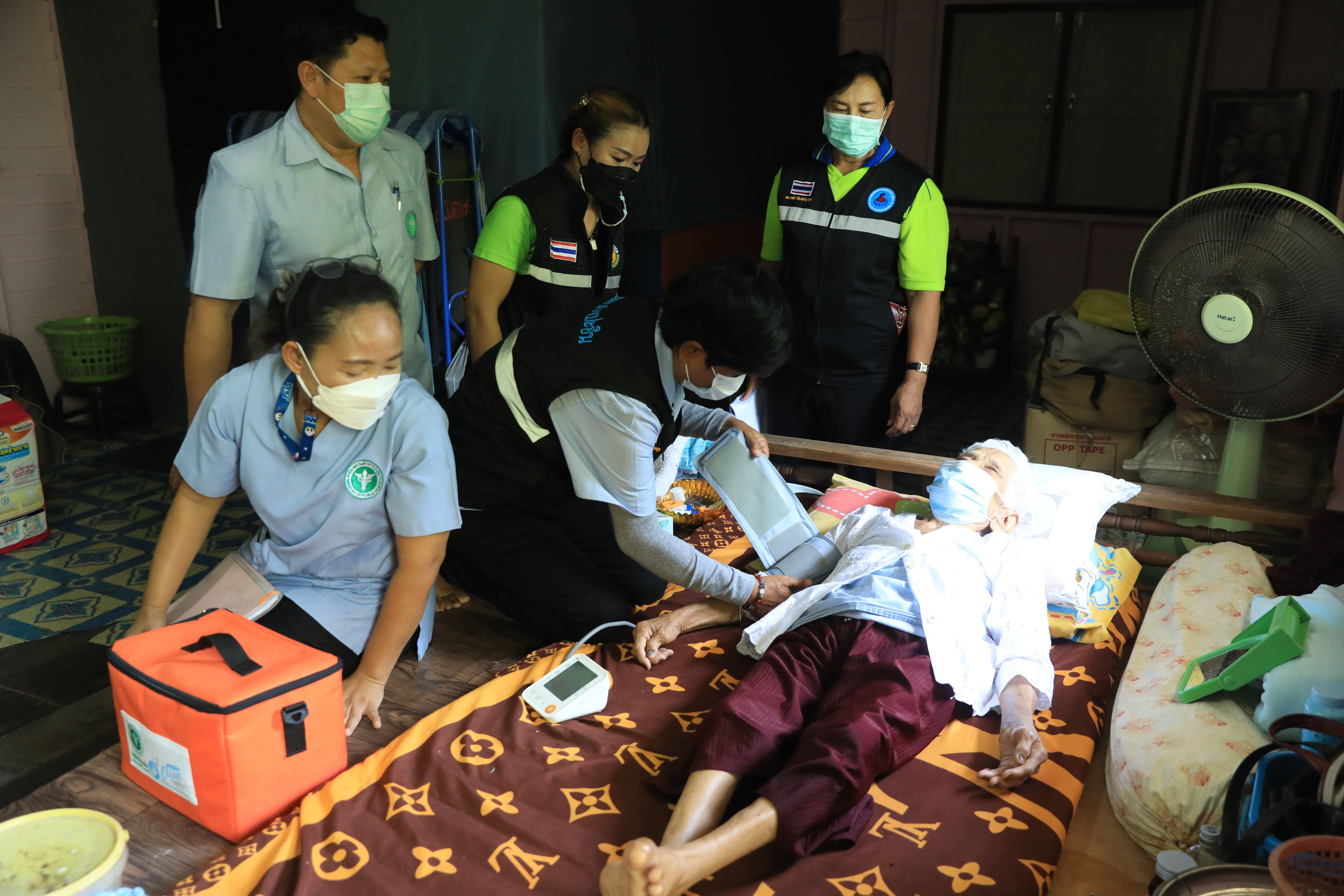
The next decade of UCS will need to focus on ensuring the quality of care by strengthening primary care and expanding telemedicine services and home care that keep people out of hospitals.

We need to encourage people to maintain healthy lifestyles through health promotion and disease prevention services — another way to reduce hospital crowding.
We have learned that UCS is a never-ending reforming process that needs new ideas and tools to solve new challenges.