



Artificial intelligence that can identify potentially cancerous polyps. Software that helps clinicians detect bone fractures. Digital platforms that allow patients to book appointments, manage healthcare visits, and receive consultations remotely.
These were among the innovations showcased at the Health Tech Thailand Executive Dinner 2026, held under the theme “Medical AI in Action: From Source Code to Scale.” Organized by the Thai HealthTech Association, the event highlighted the growing role of Thai-developed technologies in the future of healthcare.
For Thailand’s Universal Health Coverage Scheme (UCS), known locally as the Gold Card scheme, the innovations on display represented more than technological advances. They reflected a growing pipeline of solutions developed by Thai researchers, entrepreneurs, and startups that could strengthen healthcare services and improve access to care.
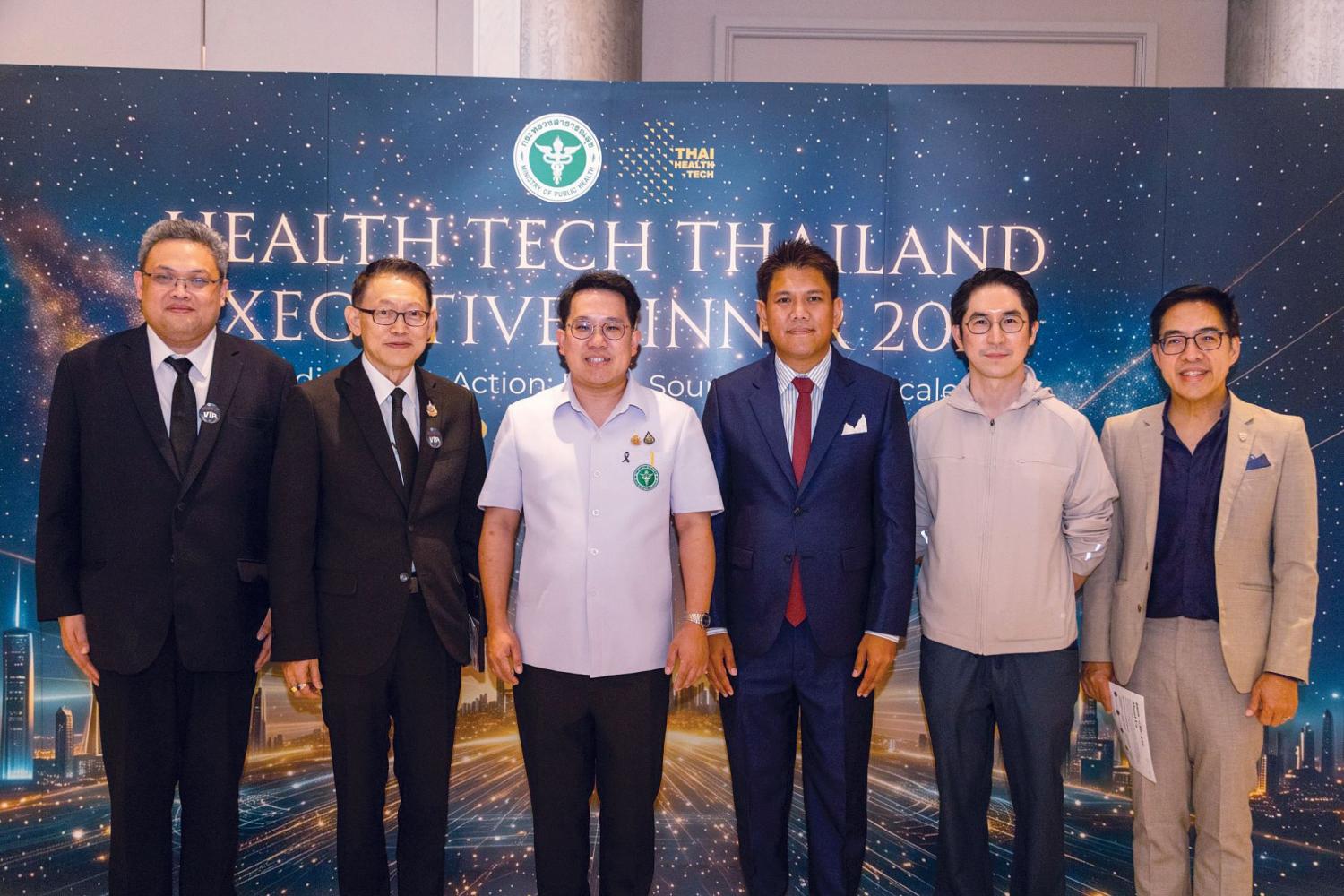
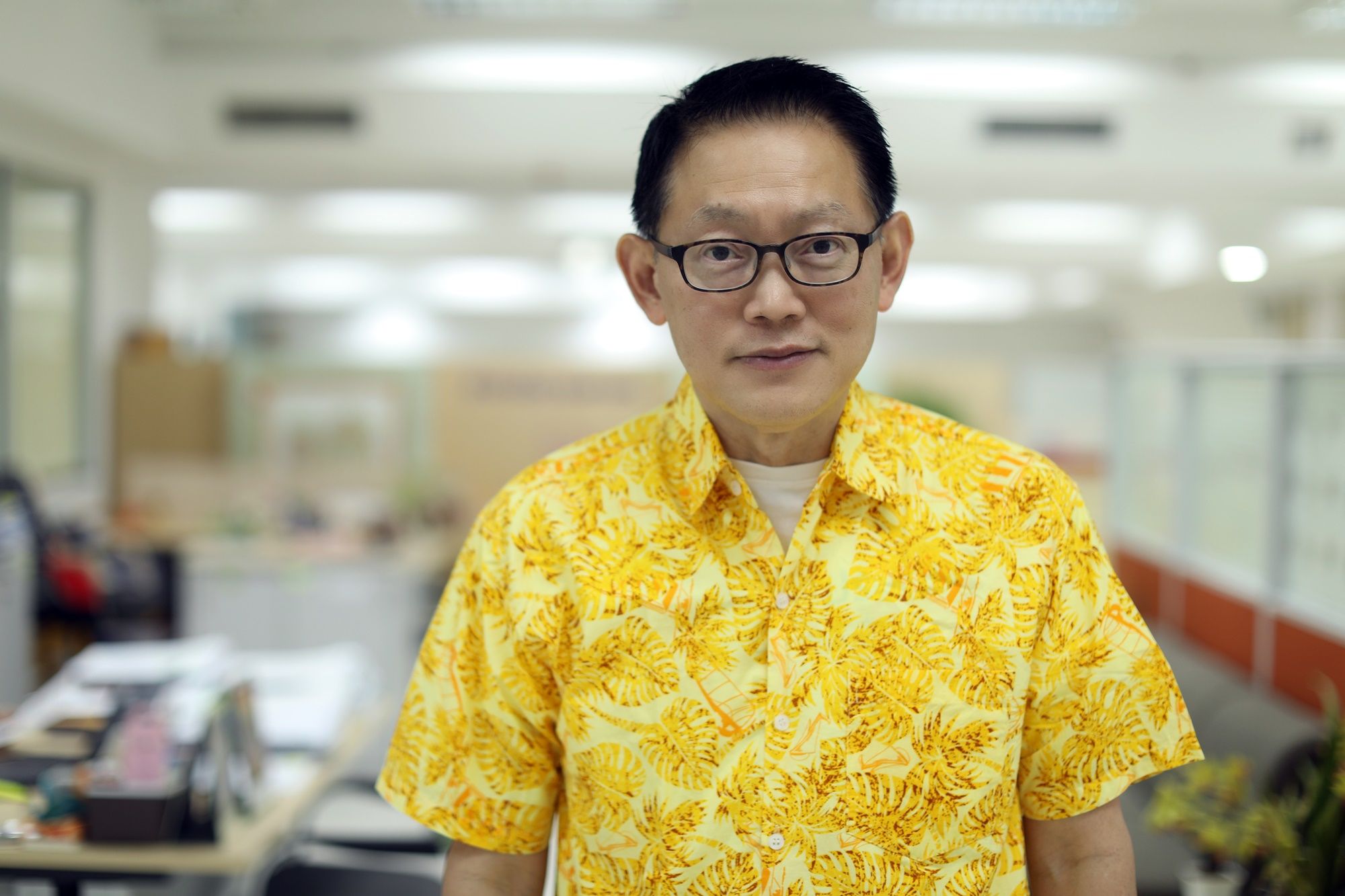
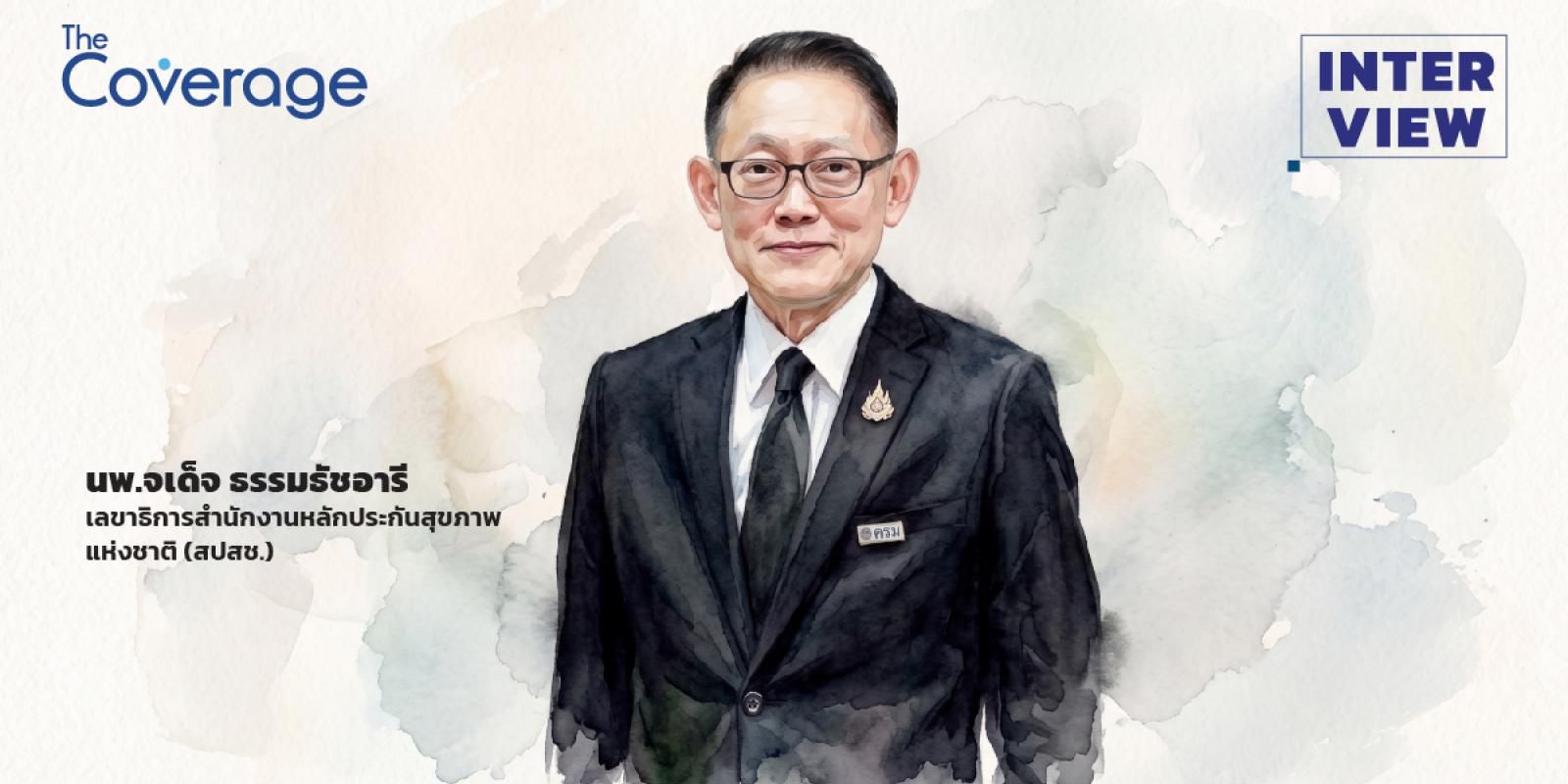
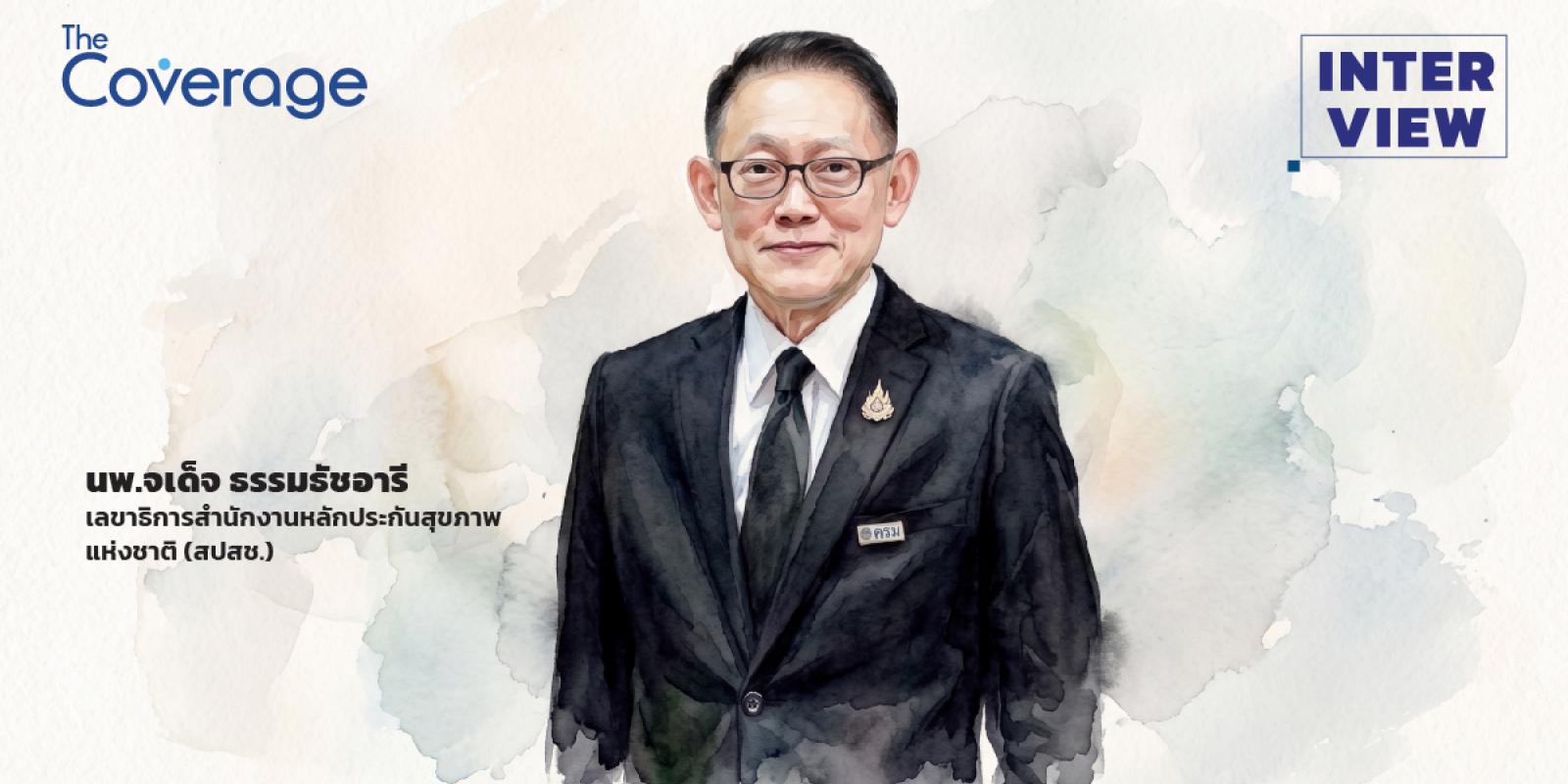
According to Dr. Jadej Thammatacharee, Secretary-General of the UCS fund manager National Health Security Office (NHSO), innovations developed by Thai researchers are becoming increasingly important to the future of Thailand’s healthcare system.
The UCS is part of Thailand’s universal health coverage system, which, together with other public health insurance schemes such as the Social Security Scheme and the Civil Servant Medical Benefit Scheme, provides healthcare coverage to nearly the entire Thai population.
“What we saw at this event reflects how medical innovations developed by Thai people, particularly health-tech startups, are increasingly being researched, refined, and transformed into practical healthcare solutions. Many of these innovations have significant potential for the universal health coverage system,” Dr. Jadej said.

Among the innovations that attracted attention were AI systems capable of identifying abnormalities in the intestine, including polyps suspected of developing into cancer, as well as AI technologies that assist healthcare professionals in detecting bone abnormalities and fractures.
The event also featured digital health applications designed to improve healthcare delivery and reduce workloads for medical personnel. These included patient queue-management applications, appointment booking systems, and consultation platforms that support self-care after treatment or provide advice when patients are unable to visit a healthcare facility.
“I also came across genetic testing technologies that allow people to understand what diseases they may be at risk of developing and what actions they can take to avoid them. If people understand themselves in this way, they can take better care of their own health. It is a highly interesting technology,” Dr. Jadej noted.
The innovations highlighted at the event show a broader trend: Thailand is not only developing new health technologies but is also creating pathways to bring those innovations into routine healthcare services.
Building a more self-reliant health system
The adoption of Thai-developed medical innovations has become an important national policy objective.
Under Thailand’s 13th National Economic and Social Development Plan (2023–2027), government agencies are encouraged to increase the use of domestically developed innovations, including medical technologies.
One of the responsibilities assigned to NHSO is to support the use of Thai-developed medical innovations listed in the Thai Innovation List through benefits and services provided under the UCS.
The policy aims to strengthen and sustain Thailand’s healthcare system by increasing self-reliance and reducing dependence on imported medical products.
A key target of the national plan is to reduce imports of medical equipment and technologies used in the healthcare system by at least 20%, equivalent to approximately 20 billion baht, by 2027.
Achieving this goal would not only reduce healthcare expenditure on imported products but also create greater opportunities for Thai-developed innovations to be used within the national healthcare system.
Dr. Jadej believes that supporting domestic innovation represents an efficient use of public resources.

“If public funding is used to support medical innovations developed and manufactured by Thai startups—innovations that reduce workloads and improve access to healthcare services—it would represent an efficient and cost-effective use of public resources,” he emphasized.
Government support, he added, is essential to helping healthcare innovations reach a wider market.
“Innovations developed by Thai people, especially healthcare innovations, require support and momentum from the government. If innovators have to market healthcare systems or medical technologies one hospital at a time, it would be extremely difficult,” he said.
“However, if the government supports nationwide adoption, it can increase demand for businesses while creating benefits for both the economy and the healthcare system, ultimately generating benefits for the country as a whole.”
The financial commitment behind this strategy is already substantial. In fiscal year 2025, NHSO allocated 7.07 billion baht to support products included in the Thai Innovation List.
For fiscal year 2026, the National Health Security Board approved 7.28 billion baht for the same purpose, an increase of more than 200 million baht from the previous year.
The funding supports the use of Thai-developed medical products within the healthcare system and reflects a broader effort to strengthen domestic innovation while ensuring that patients benefit from technologies developed in Thailand.
From innovation policy to patient benefits
The use of Thai-developed innovations in the UCS is already happening.
Over the years, several products developed and manufactured in Thailand have been incorporated into UCS benefits and are now being used by patients nationwide.
Among the examples are Thai-made dental implants, which have expanded access to oral healthcare through the public health system. Other products include ostomy bags and skin barrier systems used by patients living with intestinal stomas, as well as titanium cranial plates used in reconstructive procedures.
These products demonstrate how domestically developed innovations can move from research and manufacturing into publicly financed healthcare services that directly benefit patients.

Their inclusion in the UCS also reflects the role of public procurement in supporting local innovation. By creating a pathway for Thai-developed products to enter the healthcare system, the policy helps translate research and development into real-world applications while supporting the country’s goal of greater self-reliance.
Looking ahead, NHSO is exploring ways to expand support for additional categories of innovation.
“At this point, the overall direction is moving in the right way. The remaining challenge is identifying additional products that should be included in the Thai Innovation List. Beyond medicines, healthcare products, and medical devices, we also want to expand the system to include AI technologies and software solutions,” Dr. Jadej said.
/////////////////