


The National Health Security Office (NHSO) is promoting the use of preventive care benefits delivered free of charge across the life course under Thailand’s Universal Coverage Scheme (UCS) during the Thai New Year, known as Songkran, which is happening this week. The campaign coincides with Family Day on April 14, a time when families traditionally gather across the country.
The campaign encourages citizens to make use of the UCS, widely known as the “Gold Card” — the country’s flagship universal health coverage scheme — not only for treatment, but also for a comprehensive package of health promotion and disease prevention services.
The effort reflects a broader policy logic that has underpinned Thailand’s health system for two decades: that investing early in prevention reduces long-term fiscal burdens while improving population health.
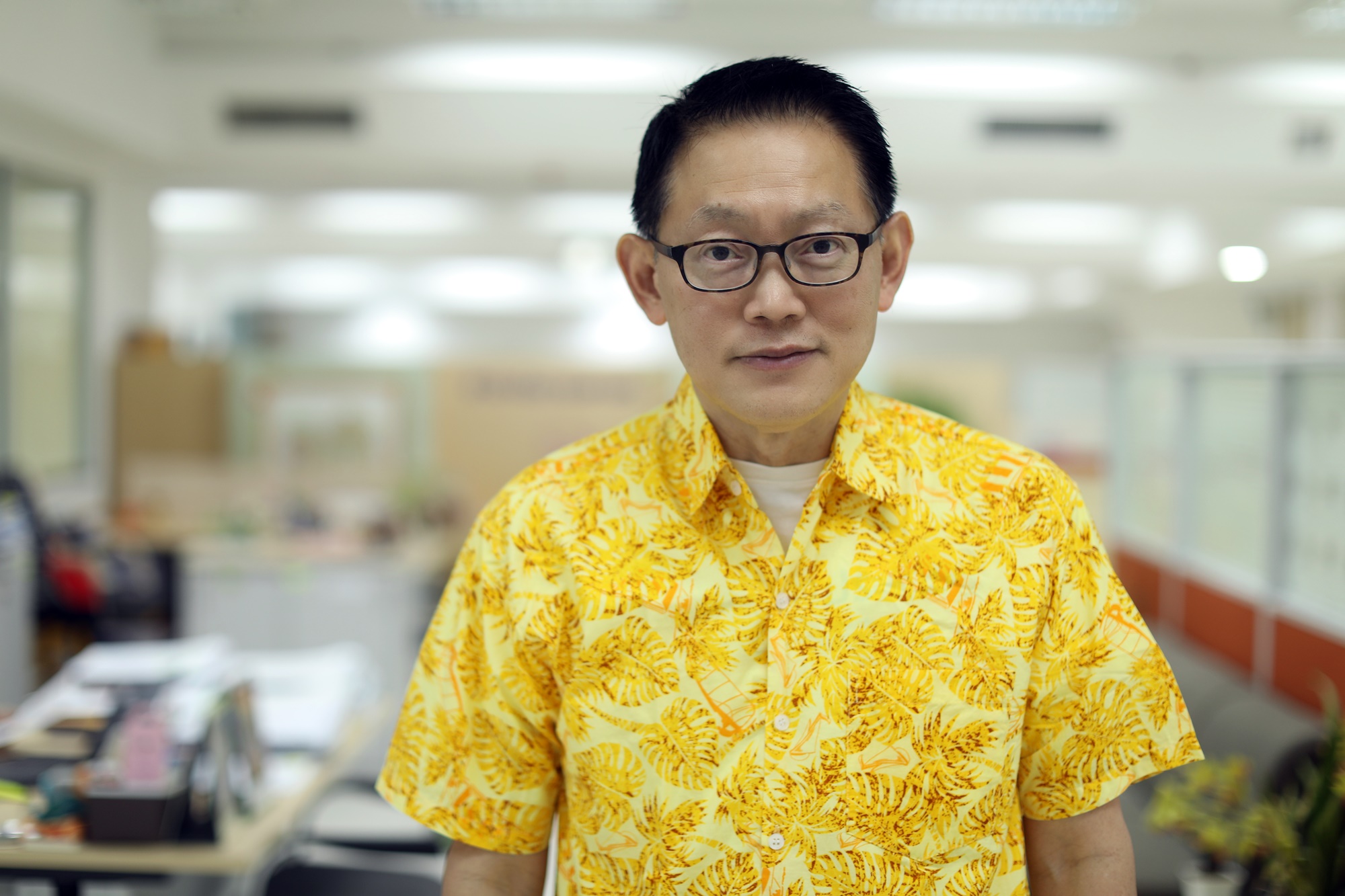
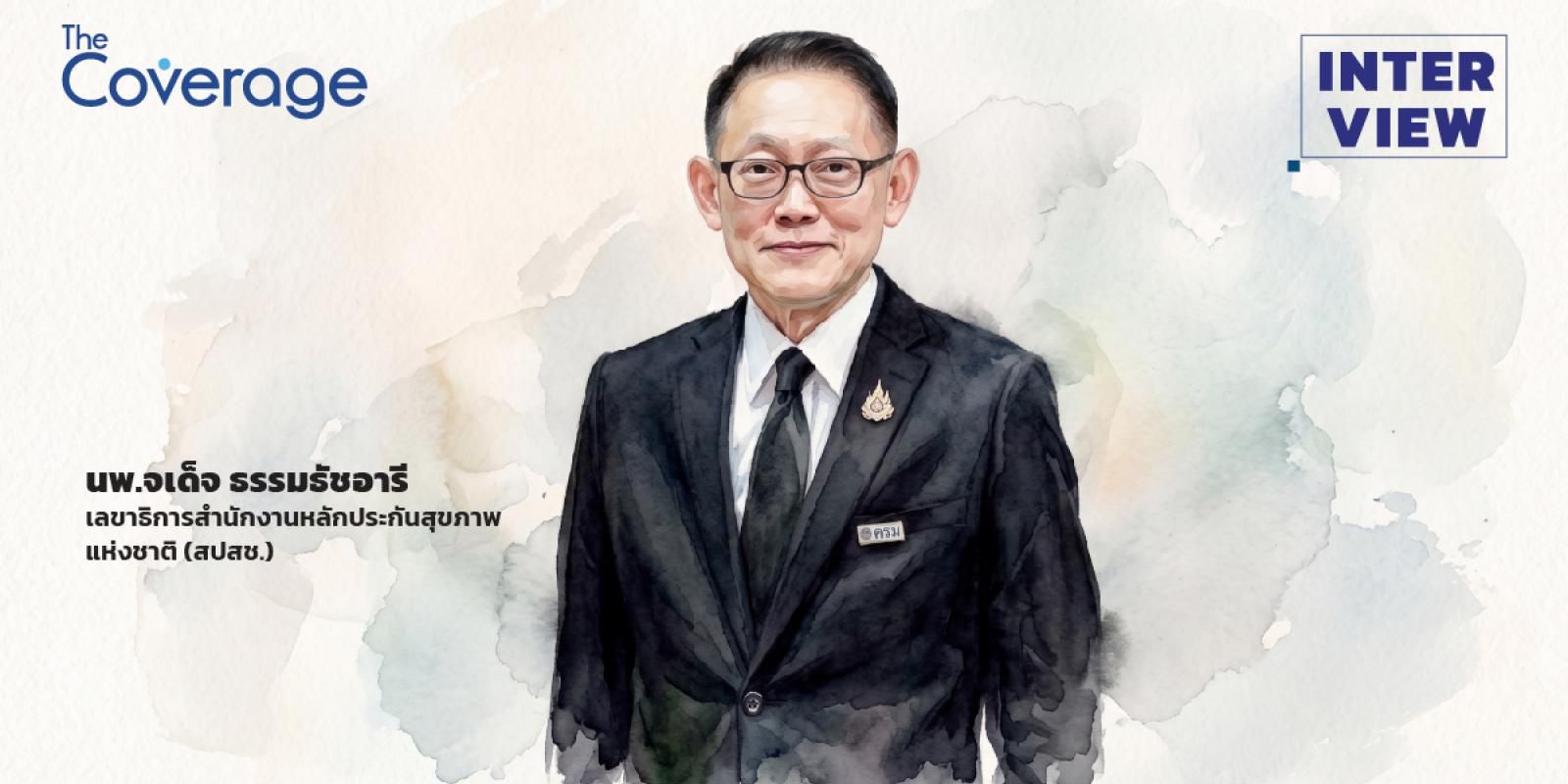
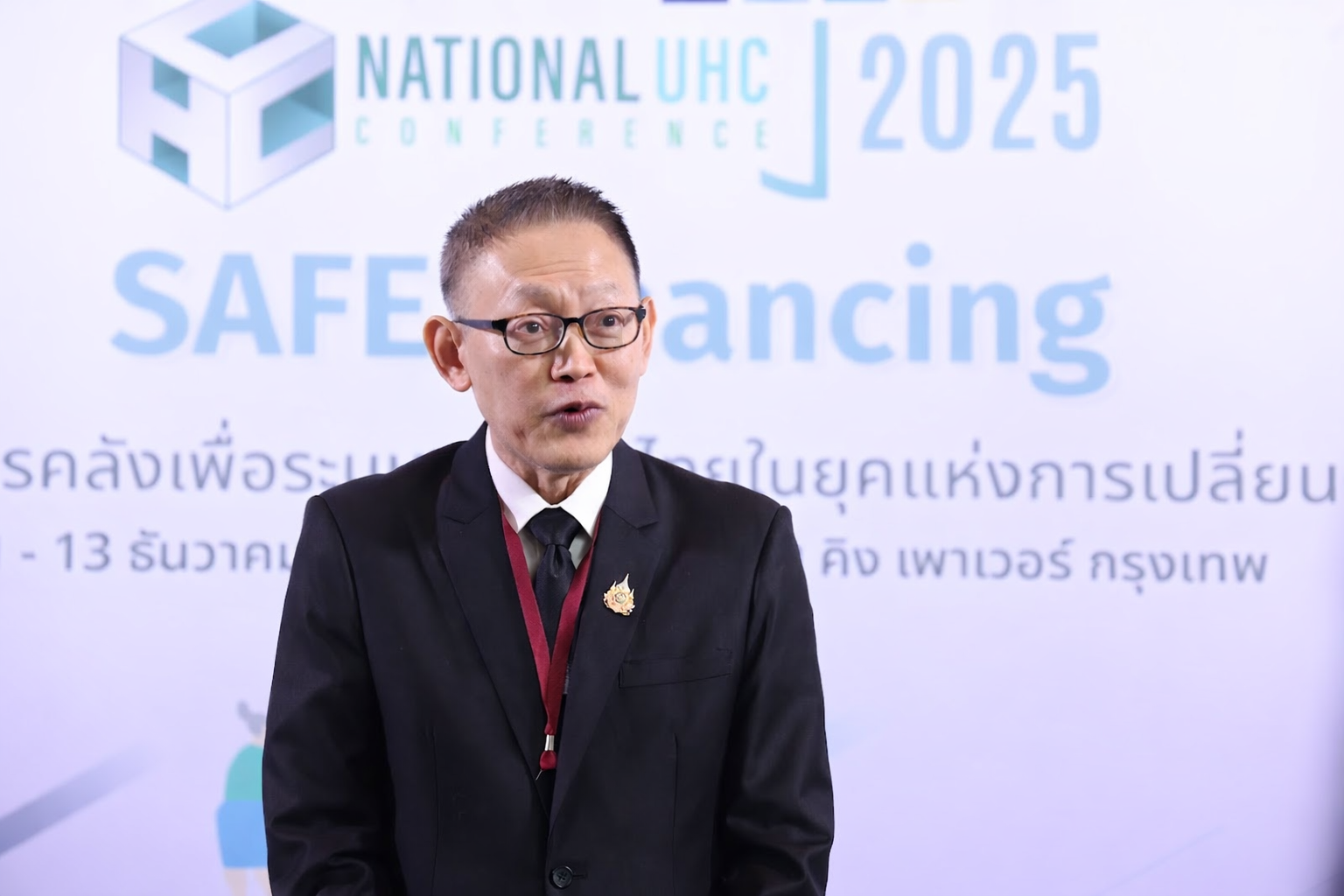
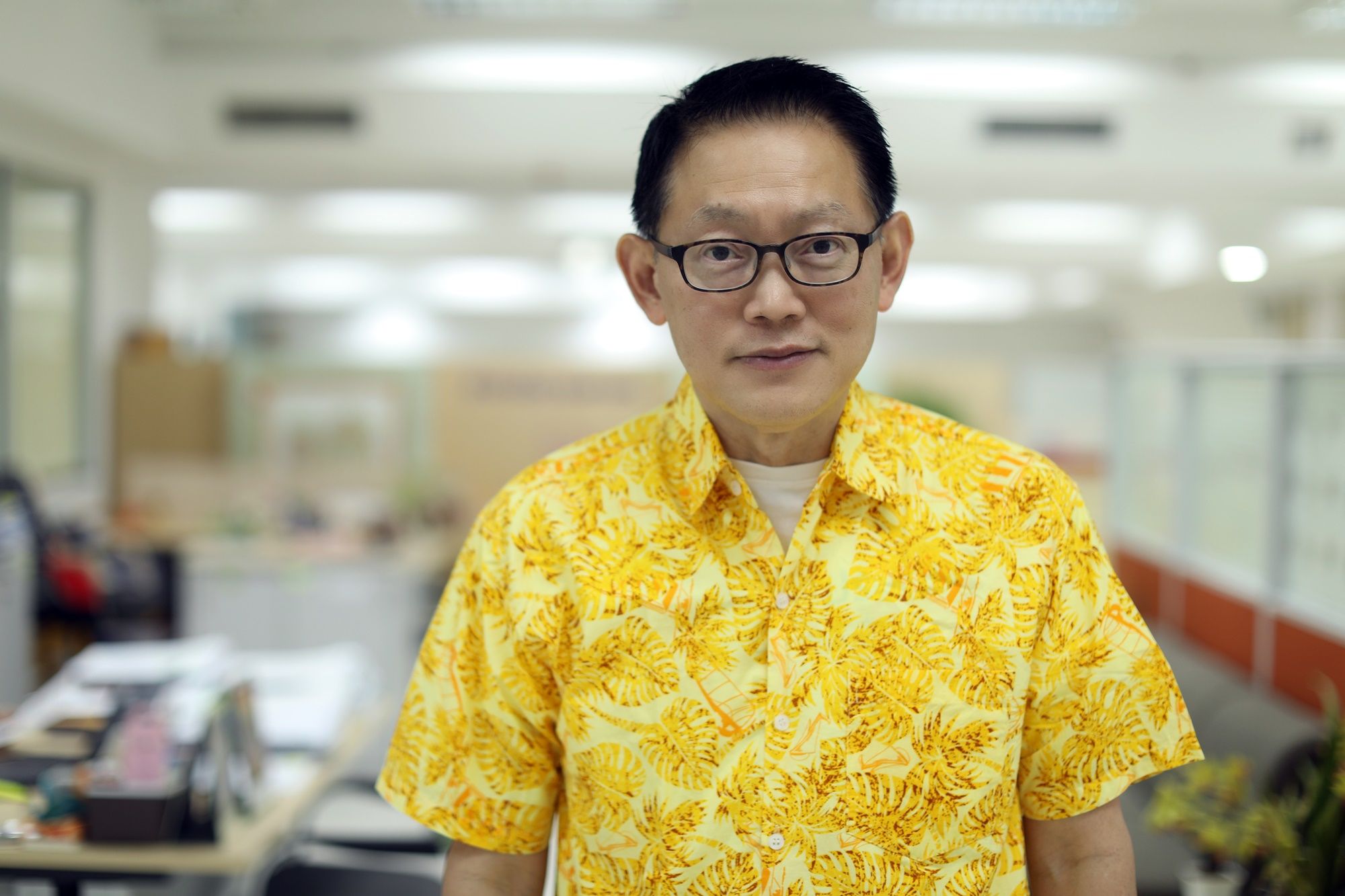
“Strong families are the foundation of a high-quality population,” said Dr. Jadej Thammatacharee, secretary-general of the NHSO. He emphasized that health security at the household level, supported by accessible services, can reduce out-of-pocket spending and improve overall quality of life.
Established under the National Health Security Act of 2002, the UCS, often referred to as the “30-baht healthcare scheme,” now covers the majority of the population. While it is widely recognized for expanding access to curative services, less attention has been paid internationally to its preventive care architecture.
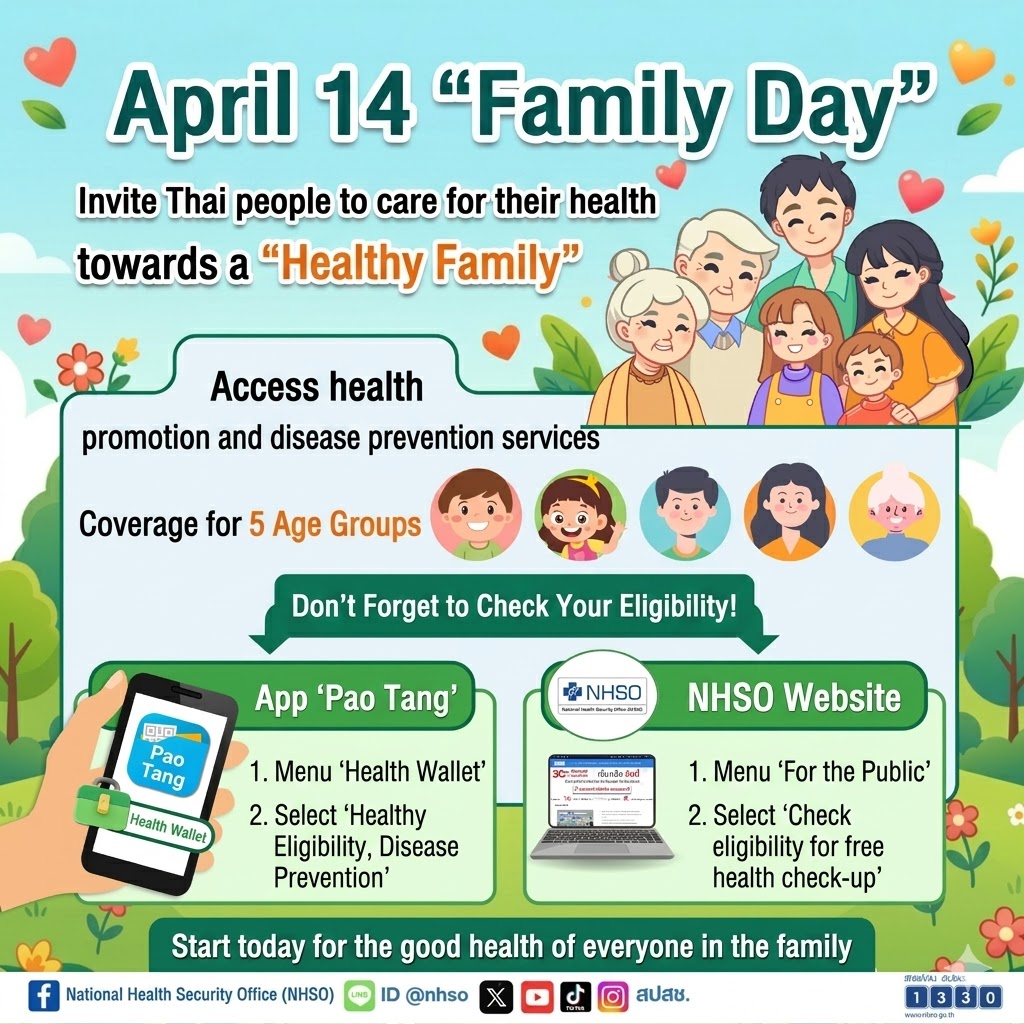
At its core is a life-cycle approach that segments services into five age groups: pregnant women and new mothers, young children, adolescents and youth, working-age adults, and older persons. Each group is entitled to a defined package of interventions, all provided free at the point of service.
For pregnant women, the package includes antenatal care, ultrasound screening, and testing for conditions such as HIV, syphilis, hepatitis B, and thalassemia. Preventive measures extend to maternal vaccinations and antiretroviral treatment to prevent mother-to-child transmission of HIV. Postnatal care, family planning, and breastfeeding support are also integrated.
For children under five, the emphasis is on early-life interventions. This includes a full immunization schedule covering diseases such as tuberculosis, measles, polio, and Japanese encephalitis, alongside screening for congenital conditions, developmental delays, and nutritional status. Similar preventive logic continues into adolescence, where services expand to include HPV vaccination for cervical cancer prevention, mental health risk screening, and interventions targeting substance use.
Among working-age adults, the system prioritizes screening for non-communicable diseases (NCDs), which are a growing burden in Thailand. Cancer screening programs, including cervical and breast cancer, complement regular checks for hypertension, diabetes, and cardiovascular risk factors. Preventive reproductive health services and HIV post-exposure prophylaxis are also included.
For older adults, the benefits package shifts toward functional health and chronic disease management. Screening for depression, dementia prevention through cognitive training, and assessments of daily living capacity are combined with continued access to cancer screening and oral health services.
Across all groups, the system integrates public health priorities such as tuberculosis control and HIV prevention, reflecting Thailand’s long-standing investments in these areas.
In addition to age-specific services, the NHSO also provides nationwide support mechanisms, including a smoking cessation hotline and a mental health helpline. Seasonal influenza vaccination is offered to seven high-risk groups, including the elderly, pregnant women, and individuals with chronic illnesses — a policy designed to reduce severe outcomes and hospitalizations.
Importantly, access to these services is increasingly mediated through digital tools. Citizens can check their eligibility and benefits via the Paotang mobile application or through official communication channels such as the NHSO Line account. This reflects Thailand’s broader push to integrate digital health into public service delivery.
///////////////////