


Thailand expands newborn hearing screening
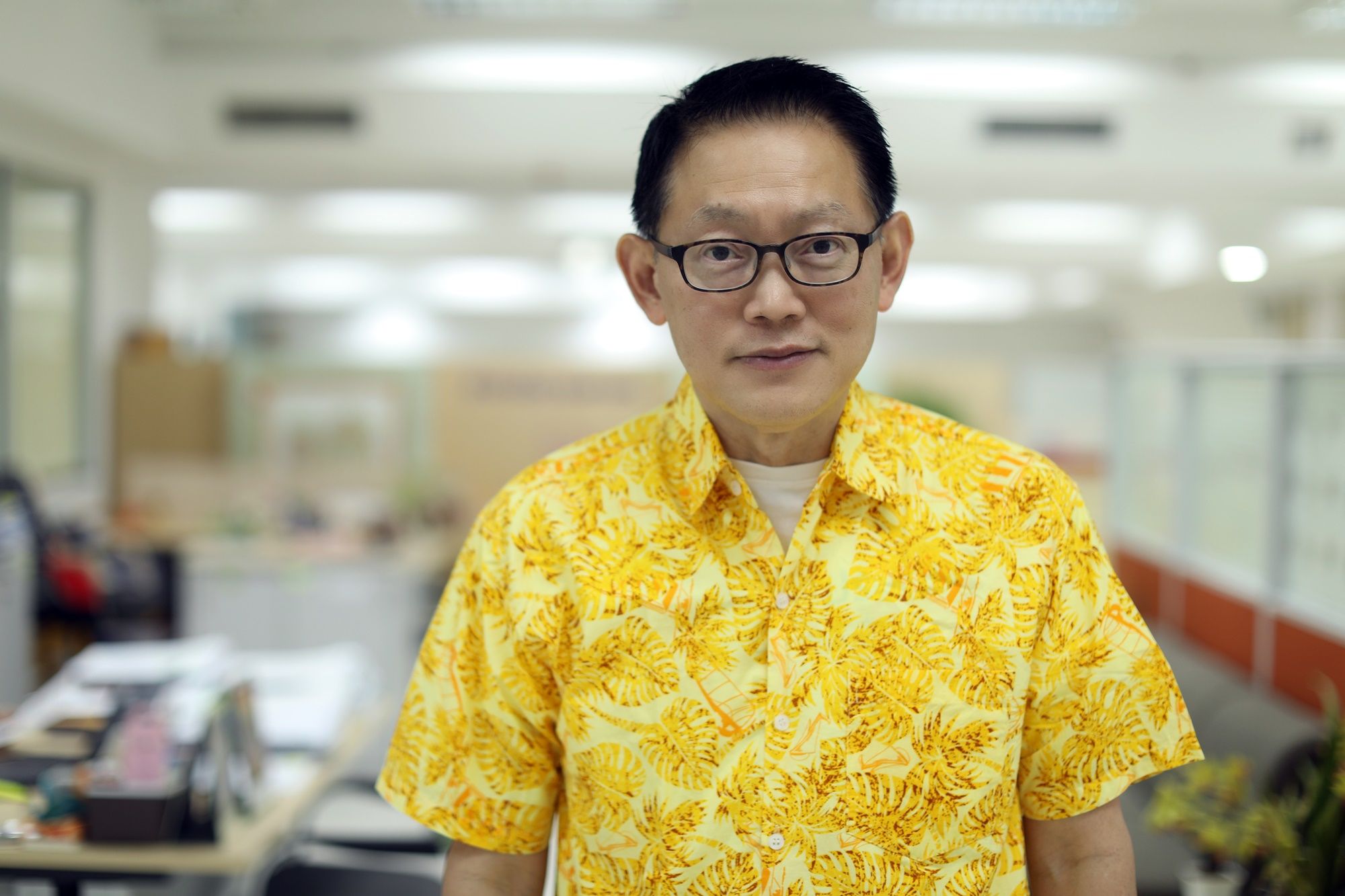
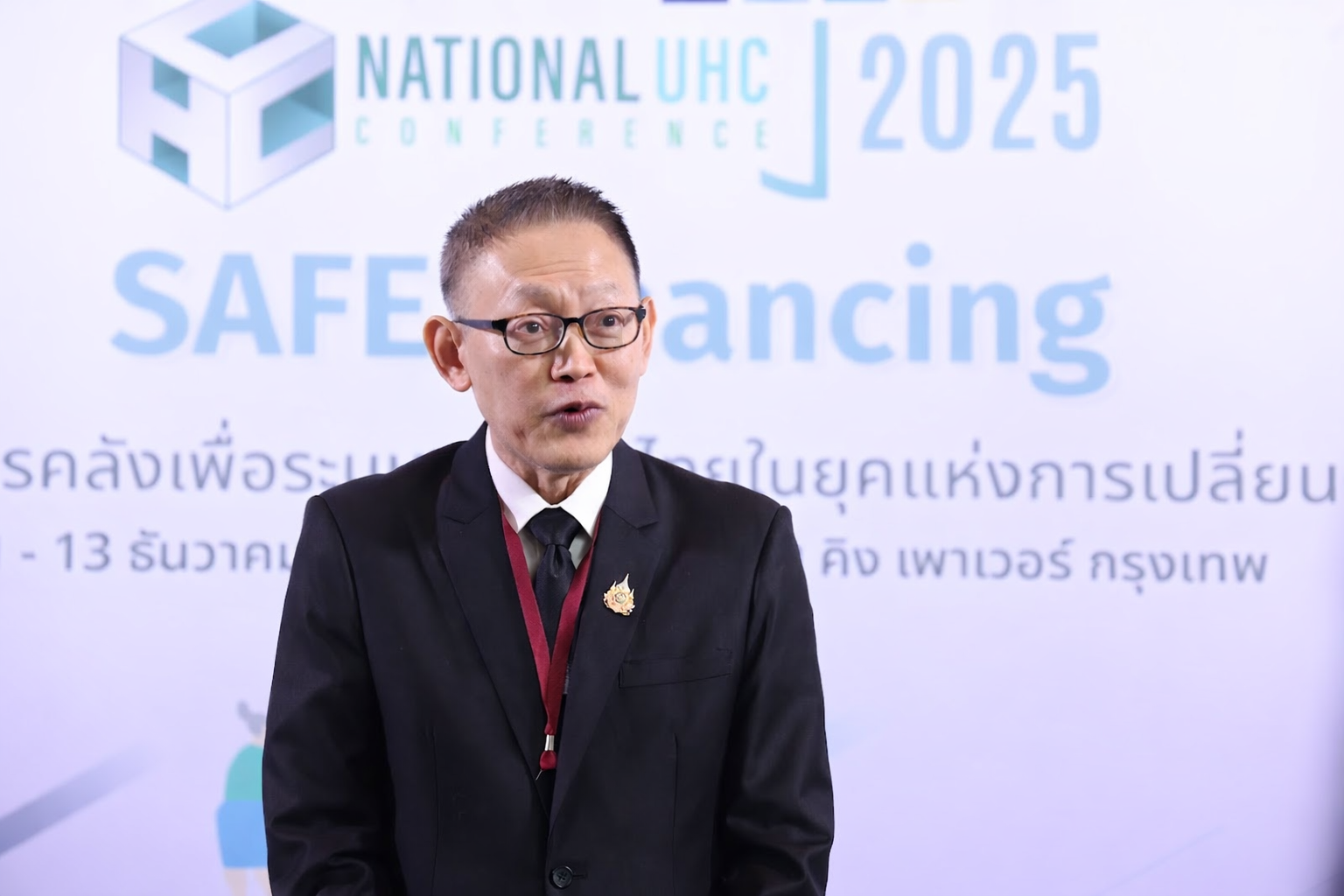
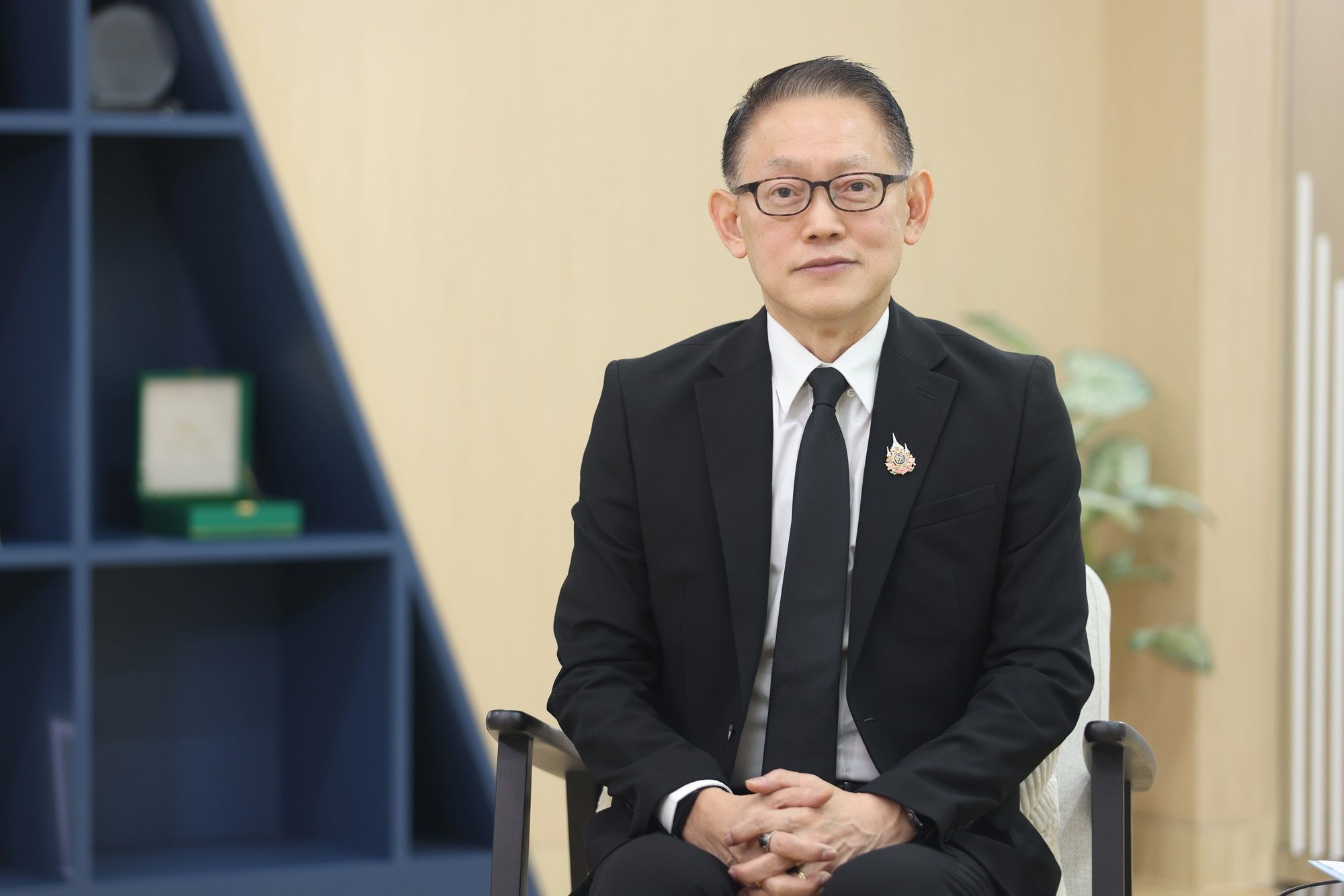
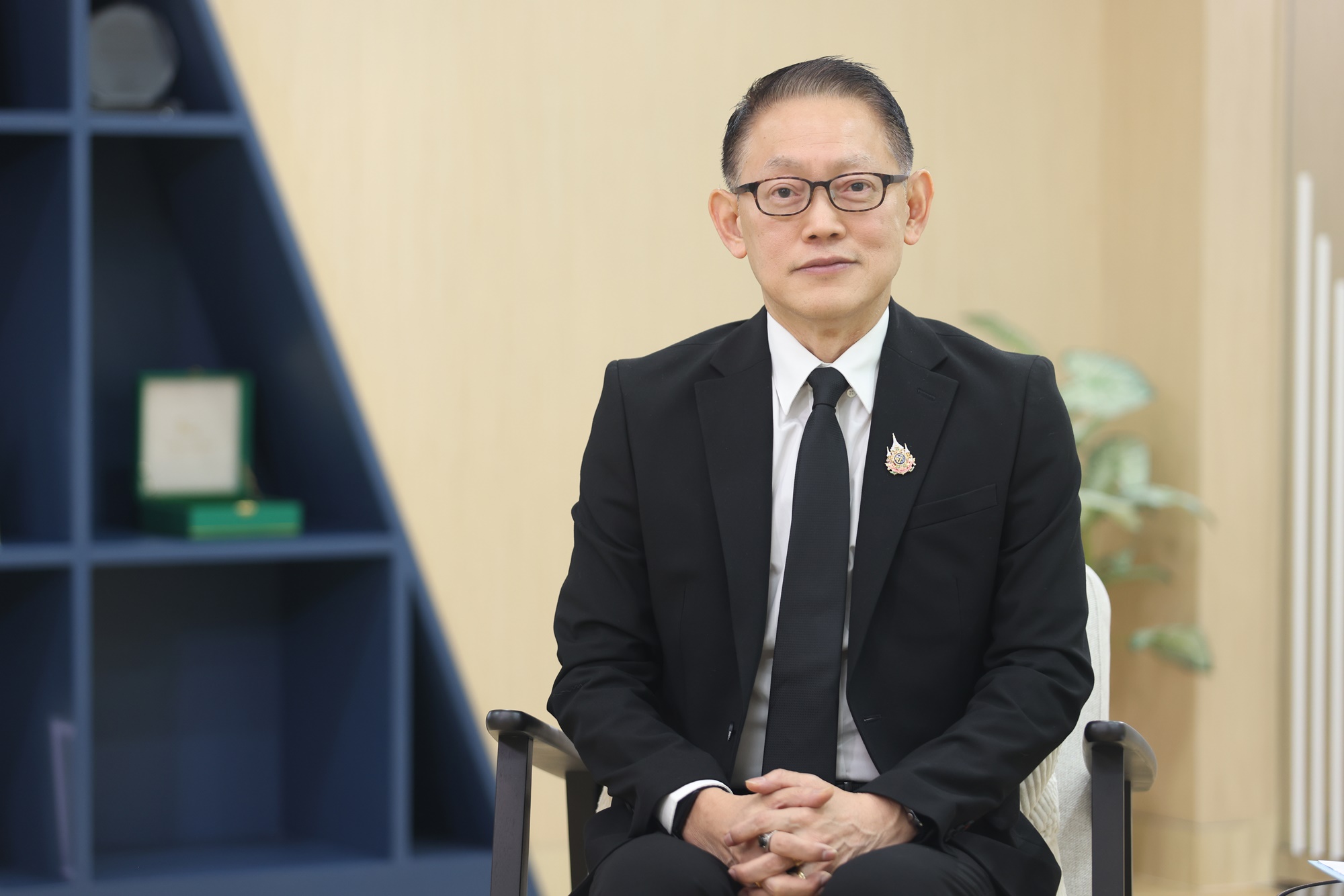
By Dr. Jadej Thammatacharee, Secretary-General of the National Health Security Office (NHSO)
On World Hearing Day, the National Health Security Office (NHSO) reaffirmed its commitment to expanding early hearing detection and intervention for newborns, aligning Thailand with global efforts to reduce preventable hearing loss and support lifelong development.
On March 3, recognised internationally as World Hearing Day, the NHSO joined a global effort to ensure every baby receives timely hearing screening and follow-up care.
Managing the Universal Coverage Scheme (UCS), the NHSO aims to prevent long-term developmental delays associated with undiagnosed hearing loss, a condition that remains a major global public health concern.
The World Health Organization (WHO) estimates that around 90 million children aged 5–19 worldwide live with hearing loss. More than 60 percent of childhood hearing loss is preventable through simple, cost-effective public health measures.
WHO emphasizes that for children living with ear diseases or hearing loss, early identification and timely care are crucial to preventing long-term impacts on development, education, and future opportunities.
In Thailand, data from the Department of Empowerment of Persons with Disabilities show that around 5,277 children aged from newborn to 15 years are recorded as having hearing impairments.
However, this figure reflects only those who have formally registered with the department. The actual number of children living with hearing problems is expected to be higher, as not all affected children are registered or diagnosed.
A study by the Health Intervention and Technology Assessment Program (HITAP) found that the causes of hearing disability in children can be divided into two main categories.
Approximately 40 percent of cases are due to non-preventable causes, most of which are linked to genetic abnormalities.
The remaining 60 percent are attributed to preventable causes, such as infections during pregnancy, complications during childbirth, and exposure to medications that affect the inner ear.
In this regard, Dr. Jadej Thammatacharee, Secretary-General of the NHSO, said that early hearing screening is a cornerstone of newborn care.
“Hearing is a critical foundation for communication and learning from birth,” he said, adding that early screening and treatment can drastically improve outcomes for affected children.
Under the UCS, all Thai newborns are entitled to free hearing screening using both Otoacoustic Emission (OAE) and Automated Auditory Brainstem Response (AABR) tests that detect inner ear and auditory pathway function. If abnormalities are detected, babies are referred rapidly for diagnostic assessment and early intervention.
In addition to screening, Thailand’s benefit package under the UCS includes comprehensive care for children diagnosed with hearing loss. This encompasses diagnostic follow-up, provision of hearing aids, cochlear implant surgery, and speech and language rehabilitation services to support communication development.
Importantly, the NHSO now also covers Auditory Brainstem Implant (ABI) devices for complex cases where the auditory nerve is absent or damaged — a provision aimed at improving access to advanced interventions for medically challenging conditions.
Despite these advances, health officials acknowledge challenges remain.
While awareness and screening coverage have increased since the policy’s introduction in 2022, NHSO data suggest the number of children receiving follow-up care and interventions remains below national targets.
To address this, the NHSO has partnered with the Health Systems Research Institute (HSRI) and service providers to boost service access and strengthen follow-up care in 2026.
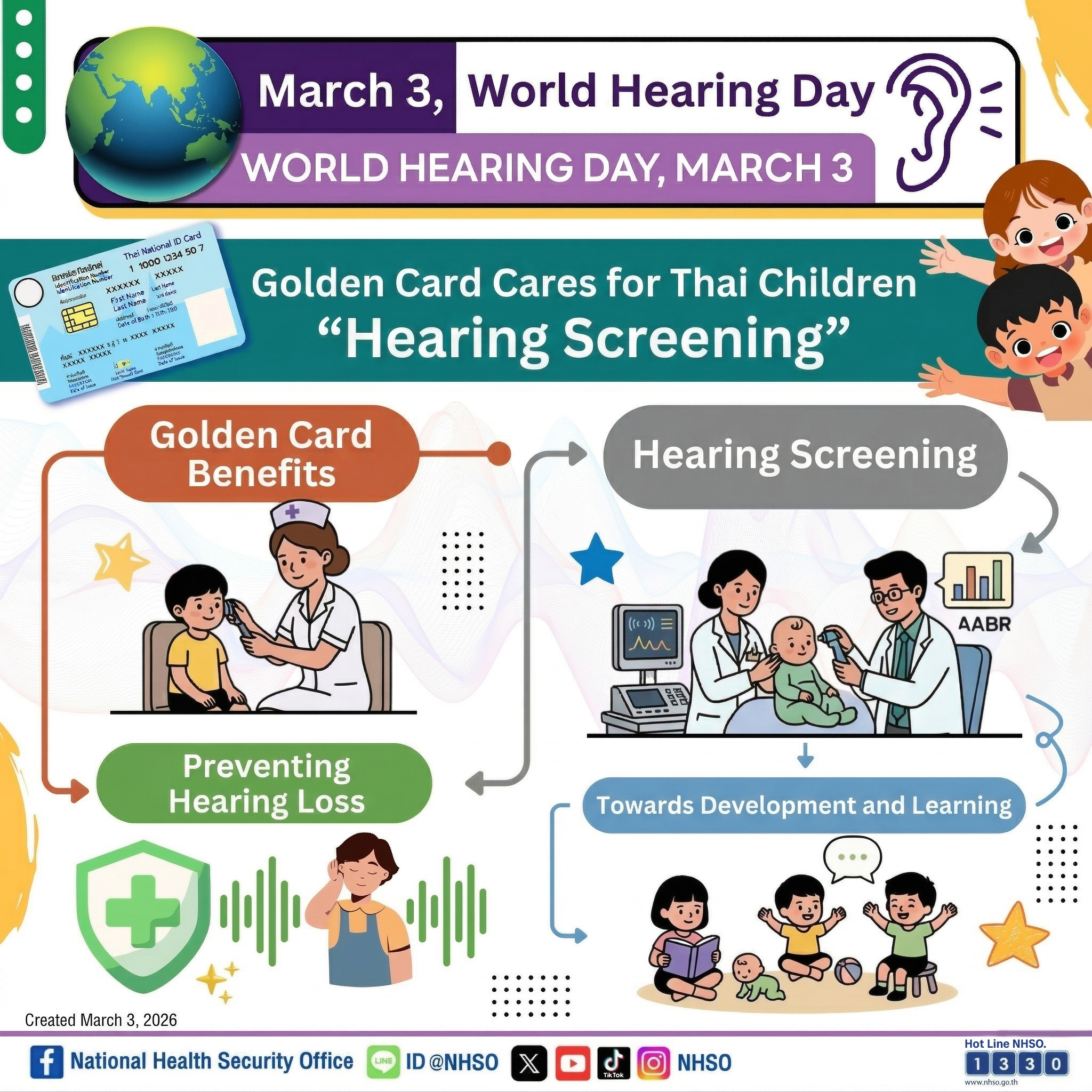
“Our goal is to ensure that every Thai child receives hearing screening from birth. If this golden window is missed, a child may lose critical opportunities for development and learning that could affect their future,” said Dr. Jadej.
“We therefore urge parents, guardians, and the public to recognize the importance of hearing screening and to access these services under the Universal Coverage Scheme at no cost. Early screening, early detection, and timely treatment are the key to opening the world of sound equally for every Thai child.”
/////////////