





Thailand’s Quality and Standard Control Board has set four strategic priorities for fiscal year 2027: strengthening confidence in healthcare quality, using evidence to oversee services, expanding rights protection, and improving public communication. The plan will monitor 13 priority services, extend rights-protection networks across all 928 districts, and oversee new service models to ensure that people receive care that meets required standards.
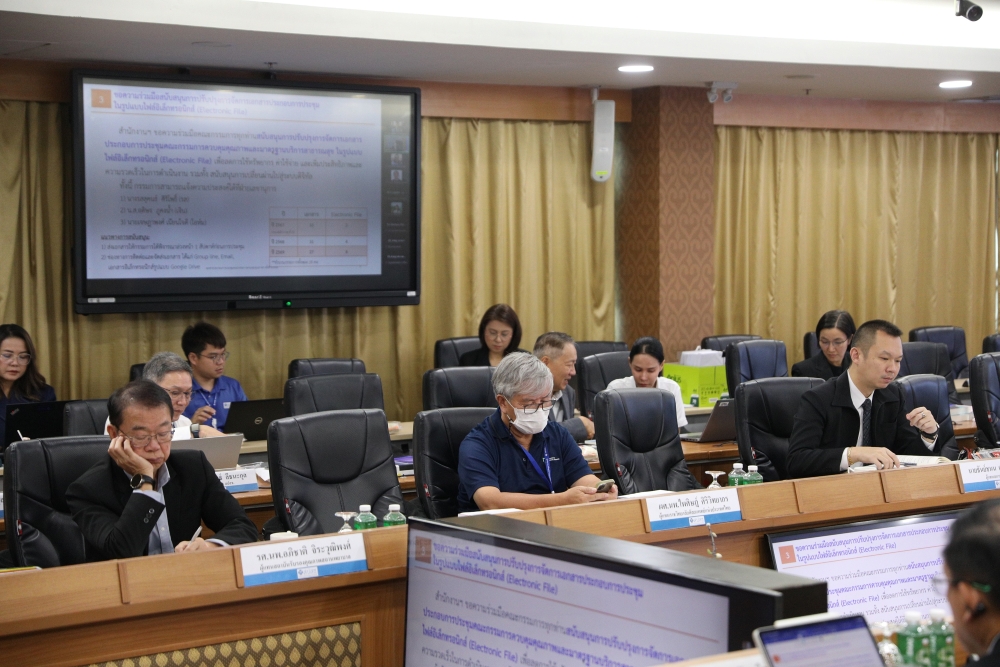
Clinical Professor Dr. Suphan Srithamma, Chair of the Quality and Standard Control Board, said the Board has reviewed its plan for overseeing service quality and standards and protecting people’s rights under the National Health Security System in fiscal year 2027. The review responds to changes in healthcare delivery and establishes four connected strategies covering service-unit standards, data-driven improvement, stronger rights-protection mechanisms and public awareness of health rights.
The first strategy focuses on building confidence in quality. It will monitor outcomes for 13 priority services under the new “10 Plus” framework and use payment mechanisms that provide stronger incentives for quality. The Board will also develop recommendations on appropriate service items and payment rates to help healthcare units provide accessible, high-quality care.

Service outcomes will be analyzed and improvement measures developed for at least two areas each year. Work beginning in 2027 will include chronic kidney disease services and HIV prevention services. The Board will also oversee the capacity of specialized referral units for cardiac and kidney care, innovative service units and service units registered under Section 3, ensuring that each network is prepared to care for people in line with its service capacity.
The second strategy is evidence-based oversight. Information systems and disease-specific quality indicators will be integrated so that service outcomes can be monitored and areas requiring improvement can be identified. Audit findings will be analyzed and returned to healthcare units, enabling collected data to support improvements in patient care.
Pre-payment and post-payment audit systems will also be developed as mechanisms for assessing service quality, particularly in areas that can significantly affect care, such as diabetes services. This will connect claims auditing with surveillance of service standards and provide information for continuous monitoring and evaluation.
The third strategy will expand and strengthen rights protection. Gold Card rights-protection centers and service centers in hospitals will be further developed, supported by a digital self-assessment system based on complaint-management standards. The goal is to standardize complaint handling and coordination of assistance while expanding local mechanisms so that more people can access rights protection.
The Board aims to extend complaint-handling and rights-protection networks to all 928 districts and establish a provincial mechanism in at least one province in each NHSO region during 2027. Personnel knowledge and competencies will be developed through training at least once a year.
Information will also be prepared for public communication, alongside a data-exchange system linking agencies responsible for rights protection. This will support coordination and the resolution of problems affecting members of the public.
The fourth strategy focuses on effective communication. Information will be designed for specific audiences, including printed materials for village health volunteers and communication on underused health promotion and disease prevention benefits. The aim is to help people recognize available services, understand their rights and make greater use of their benefits.
The Board will also prepare communication guidelines for crises and disasters affecting specific patient groups. It will explore linking rights information and rights-protection verification systems with major government applications, including Pao Tang and Thang Rath, to give people more ways to access information about health rights and protection mechanisms.

Dr. Suphan added that quality oversight will cover new service models, including telemedicine and innovative service units such as pharmacies, nursing clinics and medical clinics. The NHSO will work with professional councils to update standards, manuals and service guidelines. Newly registered units will receive orientation, supportive site visits and quality monitoring alongside claims audits, ensuring that expanded access is accompanied by appropriate standards.
For service units registered under Section 3—private or civil-society organizations that help improve access for vulnerable groups—certification will be undertaken with the agencies that own the relevant standards. HIV services, for example, will follow standards established by the Department of Disease Control. Academic institutions will support workforce development, while national and regional oversight mechanisms will be linked to promote and monitor quality in ways suited to each service and target population.
Dr. Suphan concluded that all four strategies share the same goal: ensuring that people receive safe, high-quality services, understand their rights and can obtain assistance when problems arise. The Board will monitor progress against its targets and indicators and use the resulting data to continuously improve implementation.
The aim is to translate the 2027 plan into practical results through standards-based care, clear and accessible information, and systematic listening and problem-solving—essential foundations for public confidence in the Gold Card system.
////////////////////////////