



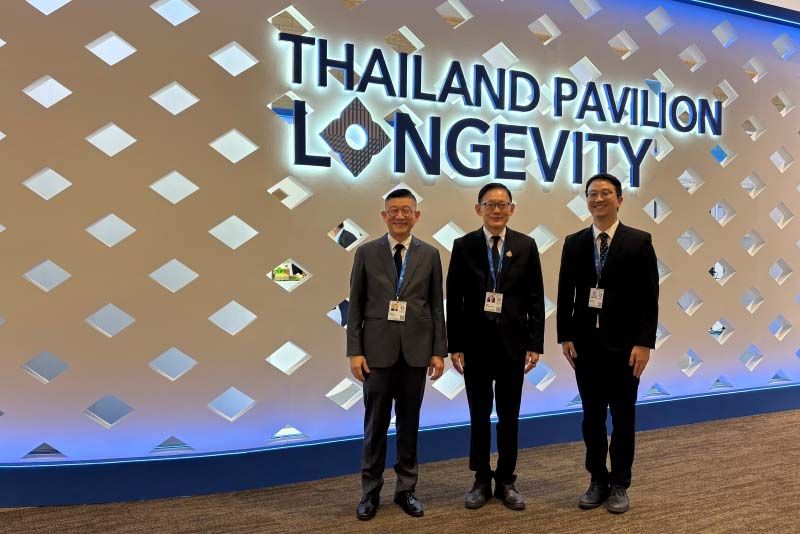
Thailand’s Universal Coverage Scheme is being featured at the Thailand Pavilion on Longevity during the 2026 IMF–World Bank Group Annual Meetings, highlighting how universal health coverage can empower people and strengthen resilience in times of change. The presentation covers both the scheme’s role in securing access to essential health services and lessons from Thailand’s adaptation of healthcare delivery during the COVID-19 pandemic.
Dr. Jadej Thammatacharee, Secretary-General of the National Health Security Office (NHSO), said the agency contributed information and helped present the development of Thailand’s Universal Coverage Scheme (UCS), widely known as the Gold Card or “30-baht healthcare” scheme, at the Thailand Pavilion: Longevity.
The pavilion is part of the 2026 Annual Meetings of the Boards of Governors of the International Monetary Fund and the World Bank Group, hosted by Thailand from October 12 to 18, 2026, at the Queen Sirikit National Convention Center in Bangkok.
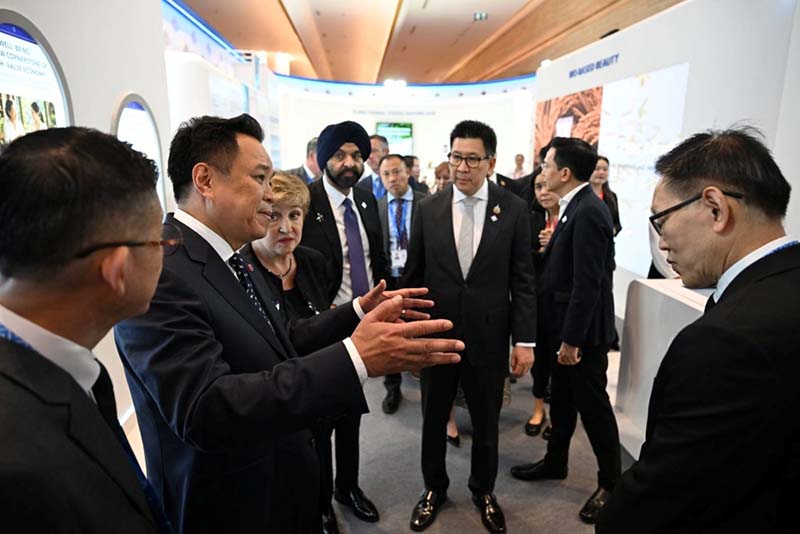
The presentation was developed after the Ministry of Finance’s strategic working group on showcasing Thailand’s capabilities invited the NHSO to help design content for the Thailand Pavilion. The 30-baht healthcare scheme was selected as one of Thailand’s successful public policies with international recognition.
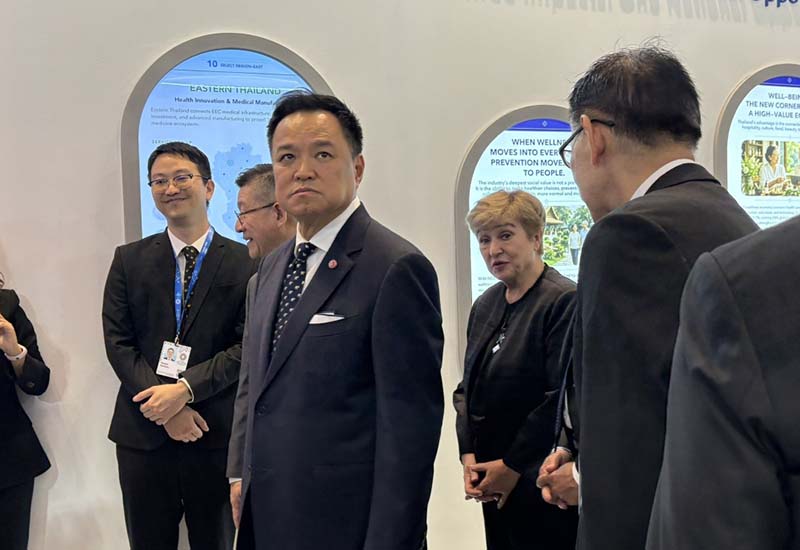
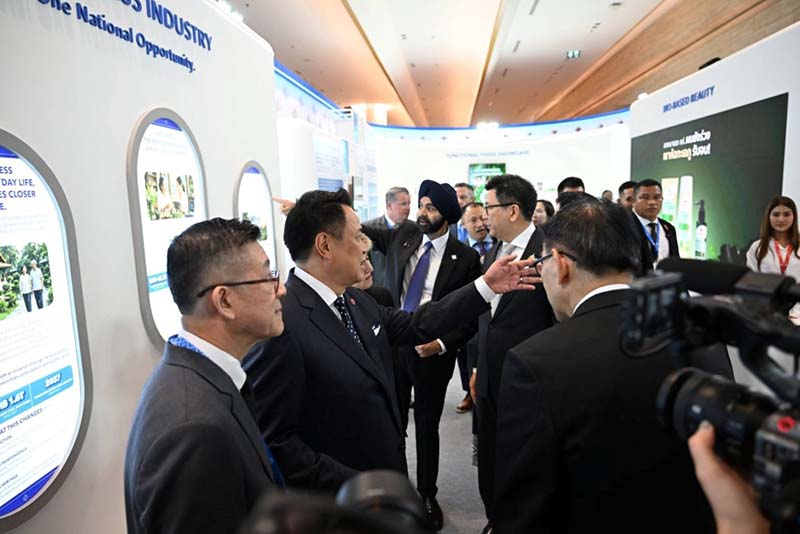
The pavilion’s exhibition, “The Royal Legacy: Empowering People, Building Resilience,” opened on October 12, 2026. Prime Minister Anutin Charnvirakul presided over the ceremony, joined by International Monetary Fund Managing Director Kristalina Georgieva and World Bank Group President Ajay Banga, who also toured the exhibition.
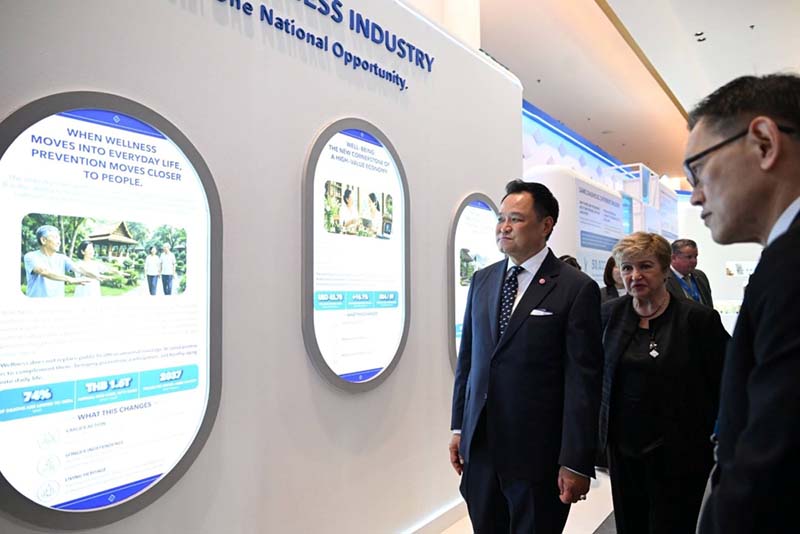
Dr. Jadej said that for more than two decades, Thailand’s health security system has provided people with assurance that they can access essential healthcare. The UCS has continuously expanded its health benefits, covering health promotion and disease prevention, diagnosis, treatment, rehabilitation and Thai traditional medicine.
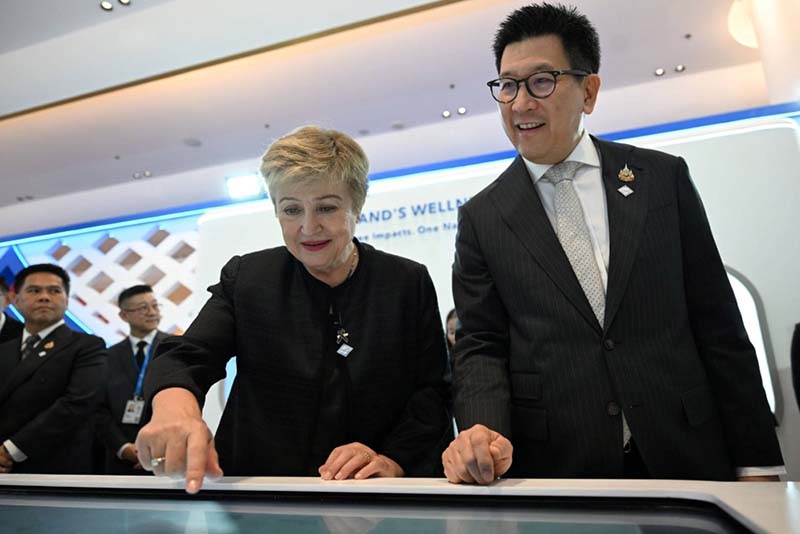
“Empowering people in health means ensuring that they have rights and can access the services they need. At the same time, health benefits must continue to evolve in line with people’s health needs, including Thai traditional medicine and herbal remedies, which form part of Thailand’s traditional knowledge,” Dr. Jadej said.
The Thailand Pavilion also presents lessons from the COVID-19 pandemic, demonstrating the resilience of Thailand’s health system and its capacity to respond and adapt during a crisis. This reflects the exhibition’s theme of building resilience in the face of change.
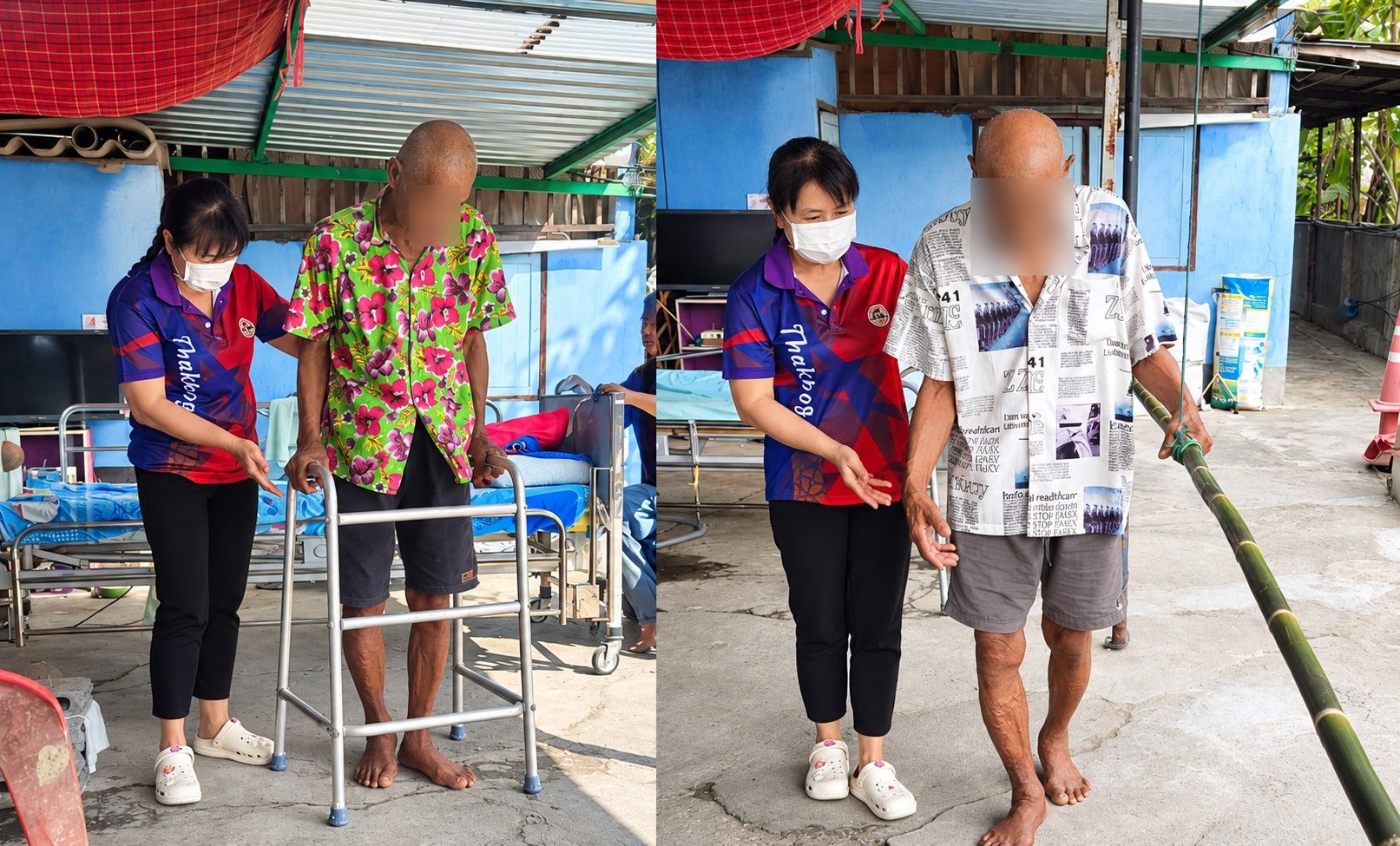
When hospitals faced large numbers of patients, healthcare delivery was expanded into homes and communities through home isolation, community isolation and telemedicine.
The NHSO adjusted health benefits and payment methods to support these services. It also strengthened data systems, the NHSO hotline 1330 and referral coordination, supporting the work of the Ministry of Public Health, healthcare providers, health professionals, local authorities, communities and other partners so that people could continue receiving care.
“The COVID-19 pandemic showed that when a country already has a health security system in place, it can adapt its health benefits, payment methods and service models to the situation. Cooperation across all sectors enabled people to continue accessing healthcare even while the health system was facing a crisis,” Dr. Jadej said.
////////////////////////////