



The National Health Security Office and Thailand Post Distribution have inspected the delivery of peritoneal dialysis solution in Phanom Sarakham District, Chachoengsao Province, confirming that supplies continue to reach patients’ homes despite widespread flooding. The agencies are closely monitoring affected areas, while patients requiring assistance can contact the NHSO hotline 1330 around the clock.
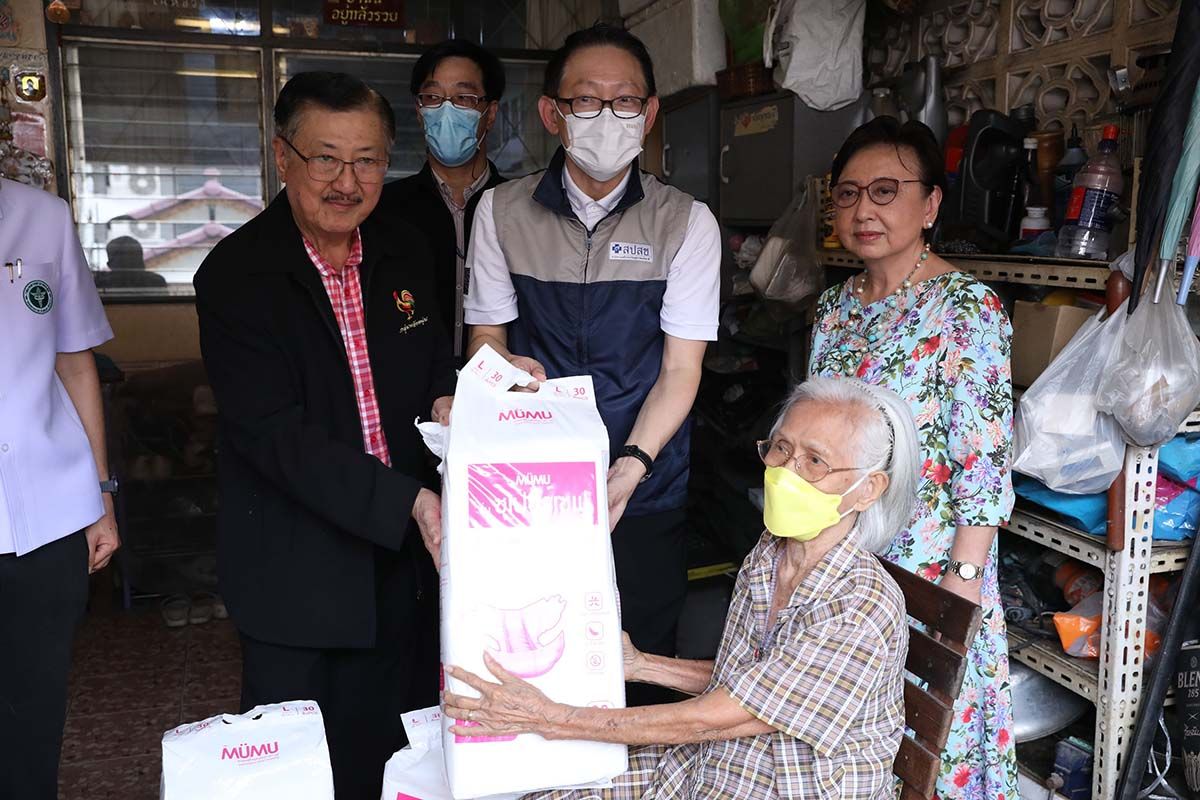
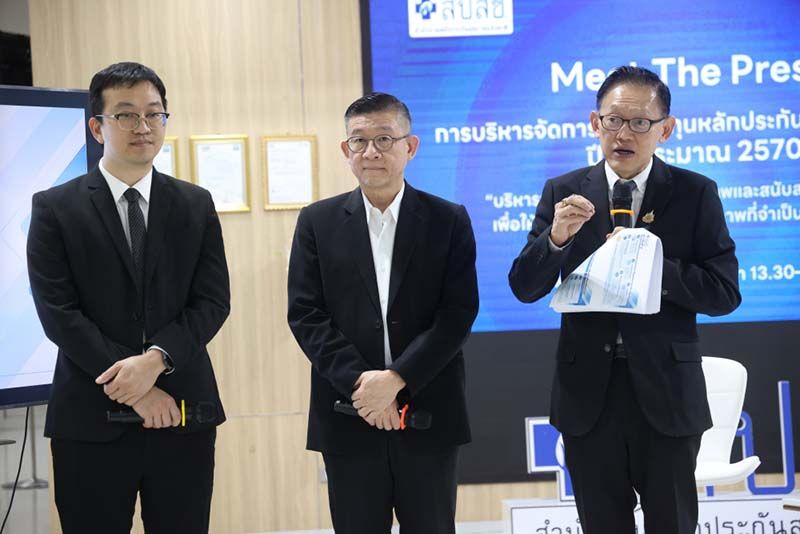
Dr. Athaporn Limpanyalers, Deputy Secretary-General of the National Health Security Office (NHSO), joined executives from NHSO Region 6 Rayong and Mr. Peera Udomkitsakul, Managing Director of Thailand Post Distribution Co., Ltd. and Chief Executive Officer of the Business and Marketing Group at Thailand Post Co., Ltd., to inspect the delivery of dialysis solution, medicines and medical supplies to patients’ homes in flood-affected areas.
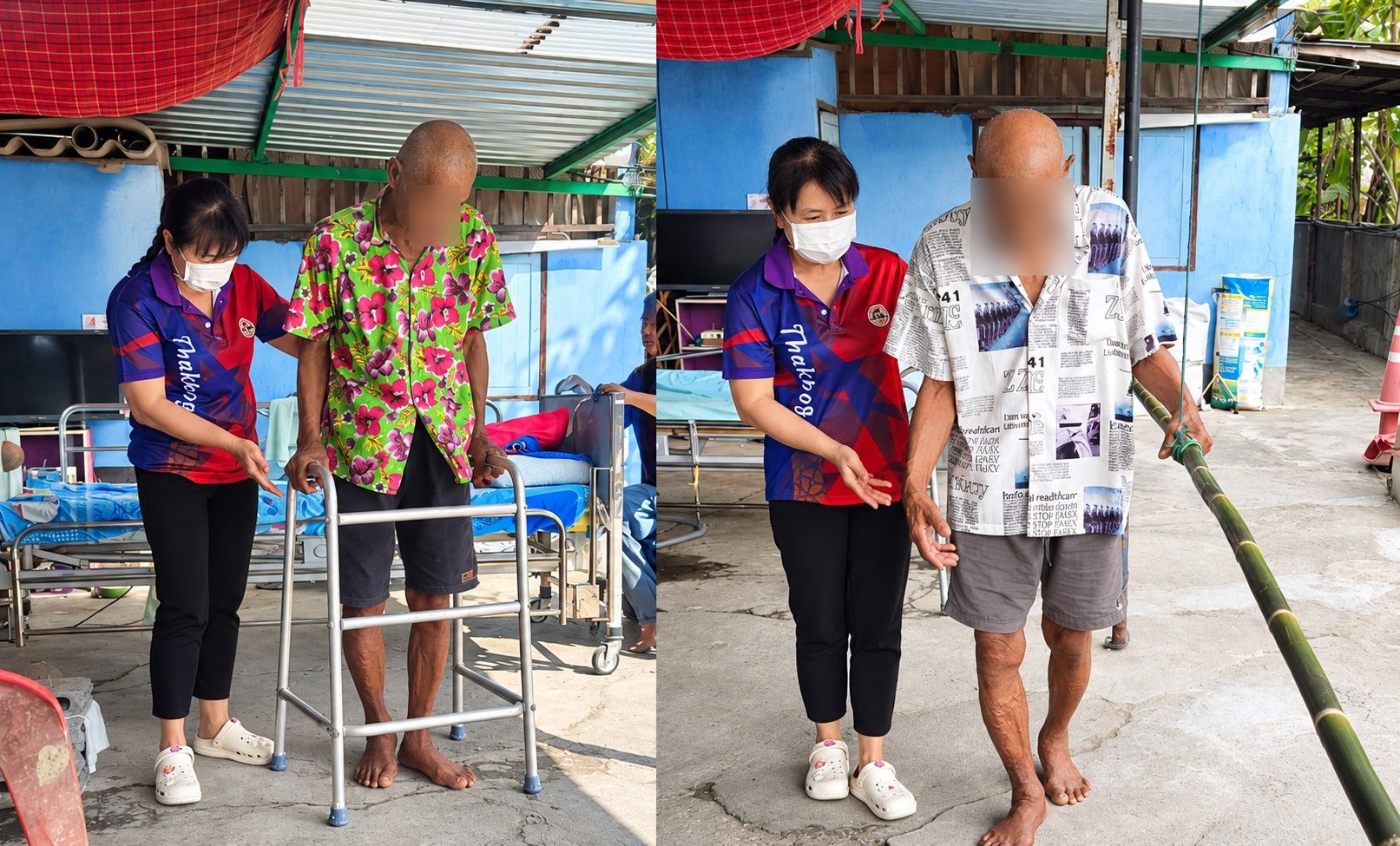
The delegation, which also included healthcare teams from Phanom Sarakham Hospital, the Chachoengsao Provincial Public Health Office and local administrative organizations, visited two patients in Phanom Sarakham District on October 6, 2026.
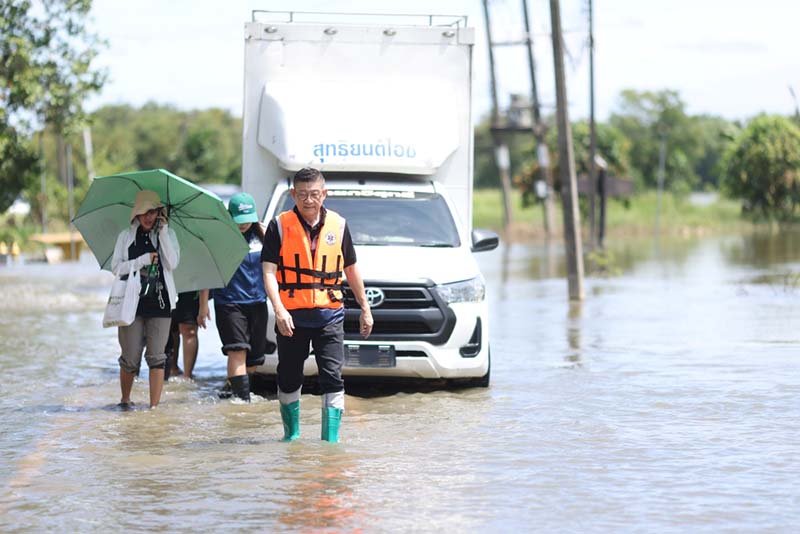
Dr. Urai Silpakitkosol, Director of Phanom Sarakham Hospital, said the district has 41 patients receiving peritoneal dialysis: 21 use automated peritoneal dialysis (APD) machines and 20 perform dialysis manually. A further 44 patients receive hemodialysis. Flooding currently affects approximately 90% of the district, but the hospital has managed supplies to ensure that patients receiving peritoneal dialysis do not run out of solution.
Where postal delivery teams cannot reach patients because boats are unavailable, the hospital uses its emergency stock and works with local administrative organizations and subdistrict health-promoting hospitals to deliver supplies directly to them.
Six hemodialysis patients who have been unable to travel are currently staying at an evacuation center. The hospital has arranged transport so they can continue receiving dialysis as scheduled.
“The hospital’s stock is now running low. If the flooding continues for much longer, supply problems may arise. We have therefore discussed with the NHSO whether shipments that cannot be delivered directly to patients’ homes could be left at the hospital as reserve stock instead of being returned. This would make dialysis solution management easier,” Dr. Urai said.

Dr. Chonlada Ruangpin, a nephrologist at Phanom Sarakham Hospital, said one patient using an APD machine was affected by a power outage and temporarily switched to manual peritoneal dialysis without complications. Another patient developed an infection because clean water was unavailable for handwashing. The patient was admitted to hospital and has since improved.
Some hemodialysis patients experienced fluid overload, and three to four were admitted for observation and treatment. None was in a concerning condition, she said.
Dr. Chatchaya Punyaphat, Deputy Chachoengsao Provincial Public Health Doctor, said the province has also helped accommodate patients from neighboring provinces, including Prachin Buri. Hemodialysis patients have been referred to Buddhasothorn Hospital, Wat Saman Rattanaram Hospital and private dialysis centers.
Within Chachoengsao, transport is arranged as soon as the location of a patient is confirmed. Depending on the severity of the condition and the patient’s circumstances, patients may be brought to an evacuation center before travelling for dialysis or admitted to Buddhasothorn Hospital.
Mr. Peera said flooding occurs every year, prompting Thailand Post Distribution to prepare in advance by maintaining adequate dialysis solution stocks, planning transport routes and closely monitoring conditions. These measures have enabled almost all scheduled deliveries to continue.
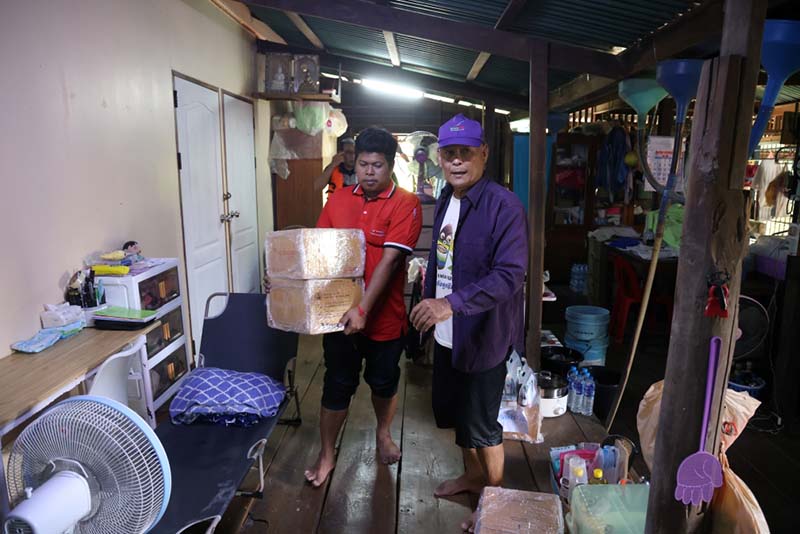
“We have flood-response plans for every region. When a problem arises, a dedicated team is assigned to monitor the situation and prevent patients from running out of solution. We also maintain reserve stocks, and Phanom Sarakham Hospital can serve as a buffer location for supplies,” he said.
Dr. Athaporn said the visit was prompted by flooding in Chachoengsao and concern for patients receiving peritoneal dialysis, for whom a timely and adequate supply of dialysis solution is essential. Thailand Post ordinarily delivers the solution to patients’ homes, and the NHSO wanted to confirm whether deliveries could continue under flood conditions.
The field visit showed that supplies were still reaching patients. Where vehicles could not pass, boats were used instead.
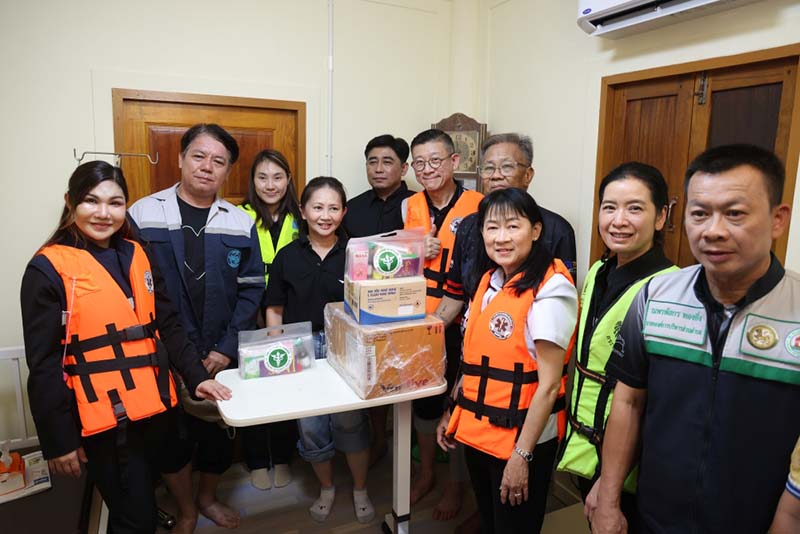
“The patients we visited today remain in good spirits. The team from Phanom Sarakham Hospital deserves recognition for conducting home visits, closely following patients and preparing an emergency backup plan. This gives us confidence that even during flooding, peritoneal dialysis patients will continue to receive solution at home,” Dr. Athaporn said.
“In other flood-affected areas, the NHSO and Thailand Post Distribution are closely monitoring where problems have occurred and whether any patients are short of dialysis solution. We will arrange delivery teams to get supplies to them. Anyone requiring assistance can call the NHSO hotline 1330, 24 hours a day,” he added.
Mr. Siri Thipwan, a peritoneal dialysis patient from Mueang Kao Subdistrict in Phanom Sarakham District, said he had been receiving dialysis for two months and felt that his health had improved. Despite the flooding, he remained encouraged because the medical team continued to care for him and dialysis solution was still delivered to his home despite difficult travel conditions. This had strengthened his confidence in the care system, he said.