


Building a universal healthcare system that reaches everyone cannot be measured simply by whether people have healthcare coverage, the number of healthcare facilities available, or how often people receive treatment in hospitals.
It also requires asking whether, when people face complex health challenges, they can access care that fits their lives, families and communities.
This is particularly important for vulnerable groups, including people who use drugs, autistic people, people with disabilities, people with mental health conditions, and those who require long-term rehabilitation.
Medical treatment alone may not be enough. They may also need understanding, trust, support and encouragement to help them return to meaningful lives with their families and communities.
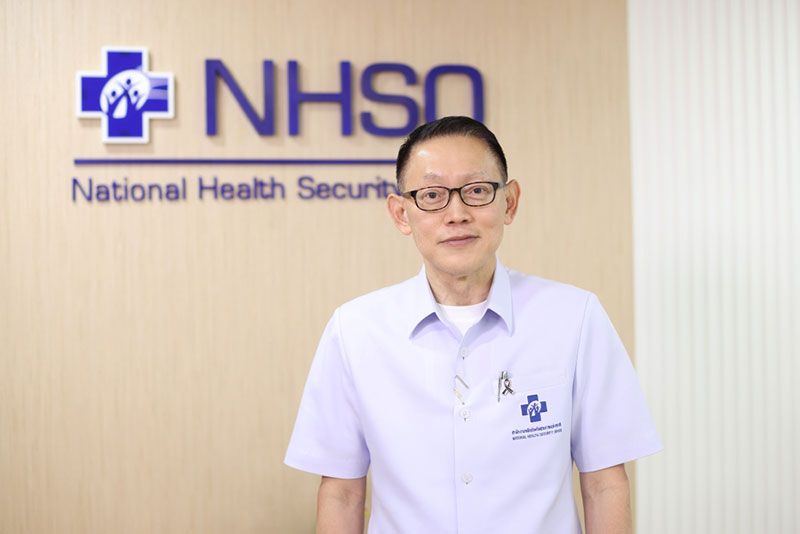
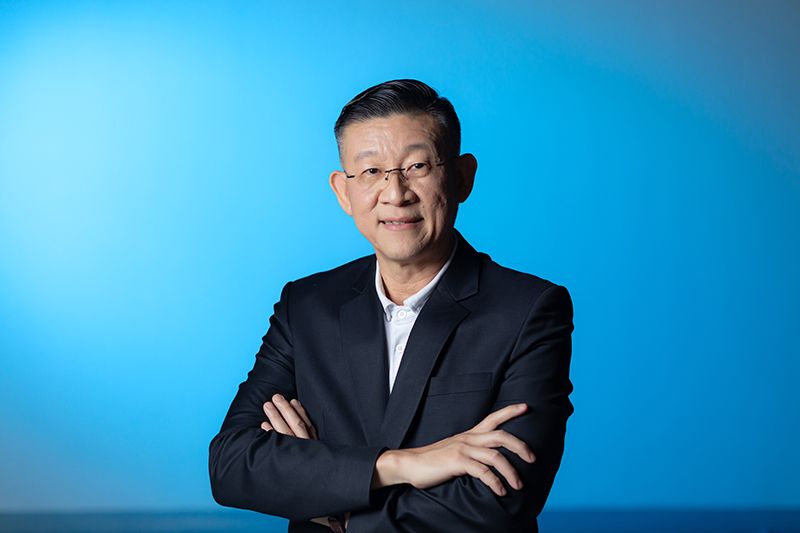
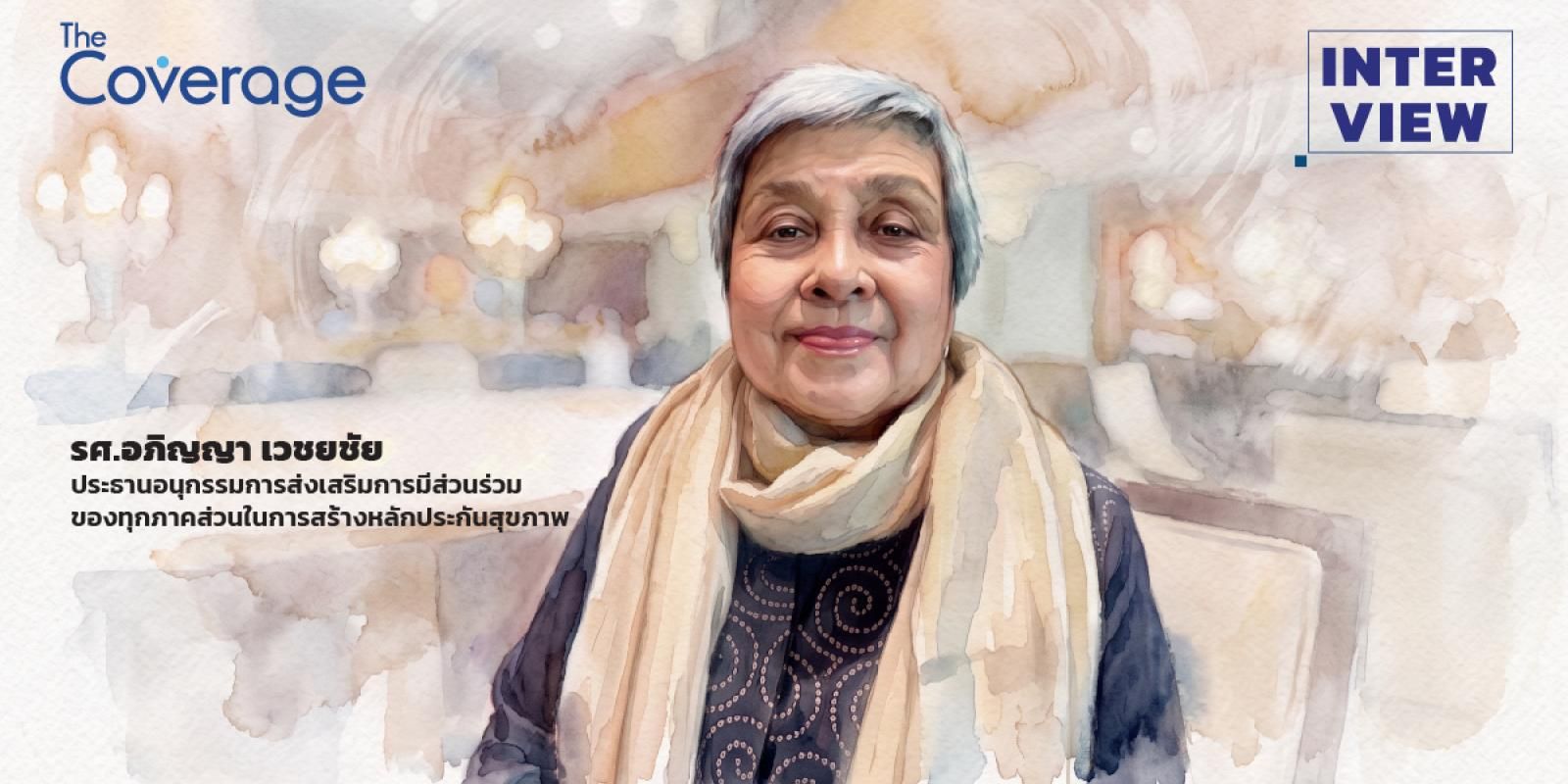
This is the perspective Assoc. Prof. Apinya Wechayachai, chair of the Subcommittee on Promoting Multi-Sector Participation in Building Health Security under the National Health Security Office (NHSO), which manages the Universal Coverage Scheme (UCS).
The UCS covers 47 million people and is part of Thailand’s broader Universal Health Coverage (UHC) that provides most of the Thai population with accessible and affordable healthcare services --- from treatment to prevention programs and long-term care.
In July 2026, Assoc. Prof. Apinya and the subcommittee members visited the Northern Thailand Community Therapeutic Center, also known as Ban Phra Metta, and the Chiang Mai Autism Parents Club in Chiang Mai province.
Both are registered as civil society service units under Section 3 of the National Health Security Act 2002, allowing them to receive funds from the NHSO to provide services to beneficiaries of the UCS.
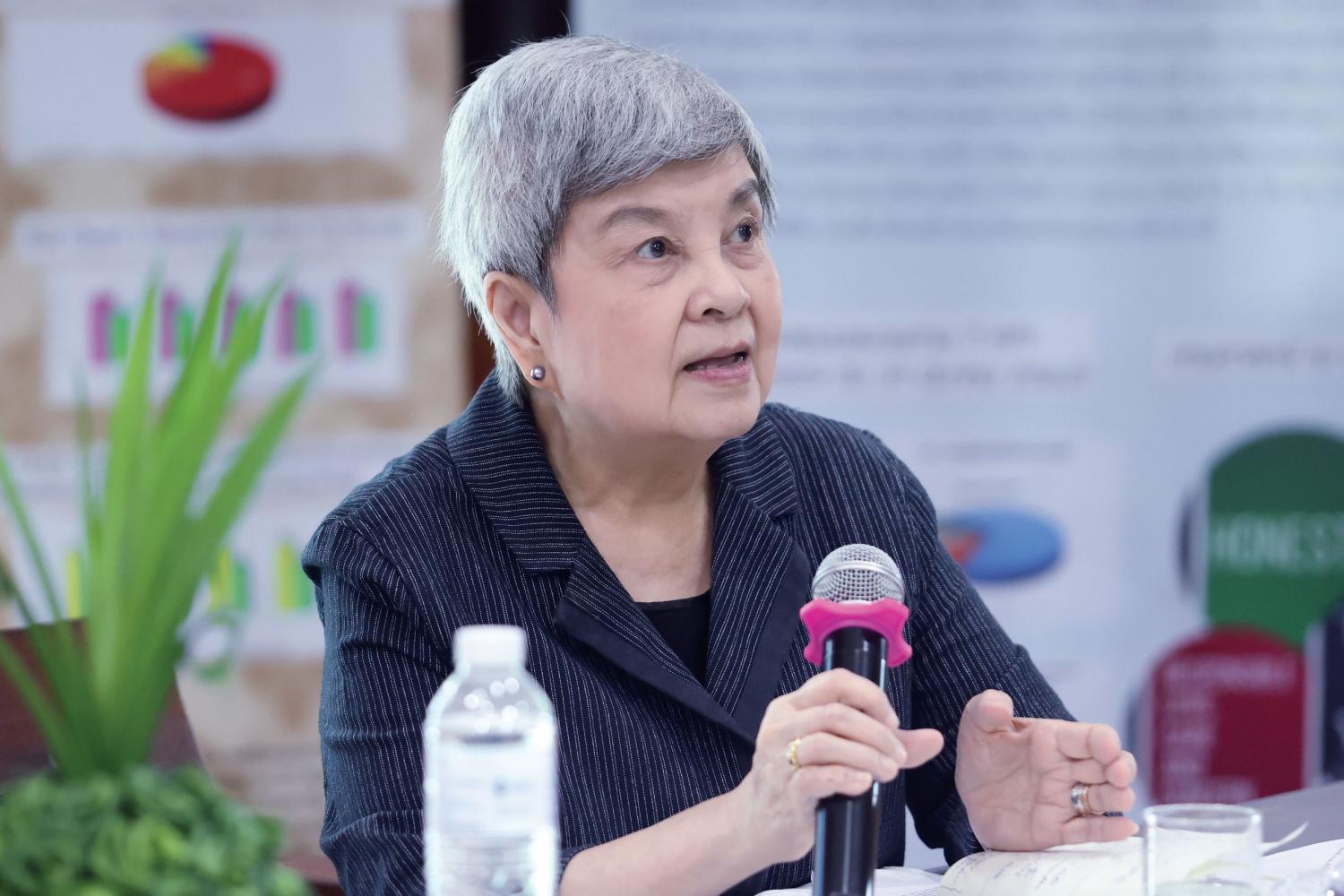
Assoc. Prof. Apinya said the purpose of the visit was not simply to observe the organizations’ work. It was also an opportunity to listen to the experiences of service providers, service users and their families, and to bring lessons from the field into policy development and the design of support systems that better respond to people’s healthcare needs.
Public participation, she said, should go beyond inviting people to give their opinions. People should have opportunities to help identify problems, design and deliver services, monitor outcomes and point out where the system needs to improve.
The subcommittee’s role is therefore more than simply gathering public feedback. It must serve as a bridge between communities and policymakers by determining which problems are specific to individual service providers, which need to be addressed locally, and which require changes to national rules or management systems.
This would ensure that recommendations from communities do not end up simply in meeting minutes or field-visit reports, but are translated into meaningful changes.
Integrating services to support rehabilitation
Ban Phra Metta and the Chiang Mai Autism Parents Club serve different groups, but they share an important characteristic: both were established by people in the community who are close to the problems they address and understand the needs of service users through direct experience.
This allows them to provide services in areas that hospitals and government agencies may not be able to fully address.
Ban Phra Metta has provided treatment and rehabilitation services for people who use drugs since 2011. It takes a holistic approach, covering physical and mental rehabilitation, as well as support to change thoughts, behaviors and emotions. It also provides life-skills and vocational training.
Follow-up data from 2025, collected almost one year after participants returned to their communities, found that 92% had successfully stopped using drugs.
The center currently has 93 people undergoing treatment, while more than 246 patients and their families are waiting to receive services.
However, care costs an average of about 420 baht per person per day, with families previously shouldering most of the cost.
Registering as a service unit under Section 3 and connecting with the NHSO’s Local Health Fund can therefore give more people access to services, reduce the financial burden on families and allow service providers to continuously improve the quality of care.
The number of people waiting for services also highlights a broader gap. Even where communities have experienced organizations with demonstrated results, some people still cannot access care.
The challenge for the healthcare system is therefore not simply to recognize and support existing service providers. It must also develop mechanisms to identify people who need care, refer them to appropriate services and provide support so that access does not depend on whether their families can afford it.
The Chiang Mai Autism Parents Club, meanwhile, demonstrates how parents can play a role beyond simply bringing their children to receive services. Because they understand the limitations, needs and potential of autistic people through direct experience, they can also help design appropriate care.
The club provides a range of services, including counseling, developmental stimulation, life-skills training, social-skills training and vocational support, based on the idea that “people with autism can develop when given opportunities.”
In fiscal year 2026, the Chiang Mai Provincial Autism Disability Service Center received support from the Chiang Mai Provincial Rehabilitation Fund to provide rehabilitation and developmental stimulation services to 20 autistic people.
While this may appear to be a relatively small number, services of this kind require time, trained personnel and continuity. Their success should therefore not be measured only by the number of services delivered. It should also be measured by whether service users become more independent, develop new skills and are better able to live with their families and participate in society.
Friendship and understanding as part of the care process
Assoc. Prof. Apinya said one concept emerging from both communities is “friendship therapy”—bringing understanding and empathy within communities into the rehabilitation and healing process.
The approach draws on the power of human relationships to create supportive and caring environments. Many vulnerable people face more than health problems. They may also experience stigma, rejection and a sense that they have little value.
When former service users are able to develop into caregivers or role models for others, rehabilitation does not stop when their symptoms improve. It can also mean restoring their ability to take on meaningful roles, regain a sense of pride and find their place in society again.
Evaluating healthcare services should therefore take a broader view, including quality of life, family relationships, the ability to live independently and reintegration into society.
“The Section 3 mechanism is important from a policy perspective because it allows civil society organizations to formally become part of the universal healthcare system. They are not simply ad hoc helpers or recipients of project-based funding, but ‘service delivery partners’ with clearly defined roles.
At the same time, the government must remain responsible for funding, standards, referral systems, workforce development and quality assurance. It must not simply shift the burden of care onto communities.”
Assoc. Prof. Apinya said the subcommittee must also push for rules and procedures that reflect the realities of civil society service providers, including registration, budget allocation, reimbursement and reporting requirements.
Oversight mechanisms remain necessary to ensure that people receive services that meet appropriate standards and can be monitored. But the system should not be so complicated that staff spend more time completing paperwork than caring for people.
Local administrative organizations are another important part of the system because they are close to residents and understand the problems facing their communities.
Local Health Fund and Provincial Rehabilitation Funds --- managed by the NHSO and aim to provide financial support to local governments to initiate health projects --- can help support services tailored to specific local needs.
The NHSO and the subcommittee should help connect local authorities, hospitals, social-sector agencies and civil society organizations so that they form a continuous network of care and support, rather than working separately through disconnected projects.
The way forward, therefore, should not simply be to increase the number of service units as much as possible.
Instead, the system needs to identify which groups are still unable to access services, which areas have gaps, and which organizations have the capacity to become service providers. At the same time, existing service providers need support to strengthen the quality of their services.
The approach could also be expanded to people with mental health conditions and other vulnerable groups who require continuous care within their communities.
Assoc. Prof. Apinya said the UHC ultimately needs to move beyond protecting access to healthcare services—or “Health Coverage”—toward protecting people as human beings, or “Human Coverage.”
This means not viewing people simply as patients or medical diagnoses, but seeing the whole person: their lives, families, relationships, opportunities and human dignity.
Ultimately, healthcare does not take place only in hospitals. It can happen at home, in community centers, through parent groups or in small spaces created collectively by people in their communities.
When the state creates space for these community-based efforts and provides appropriate support, the strength of people and service providers within communities becomes more than an additional component of the healthcare system.
It becomes an essential part of helping Thailand’s universal healthcare system reach people more deeply and comprehensively, while responding more effectively to the realities of their lives.