


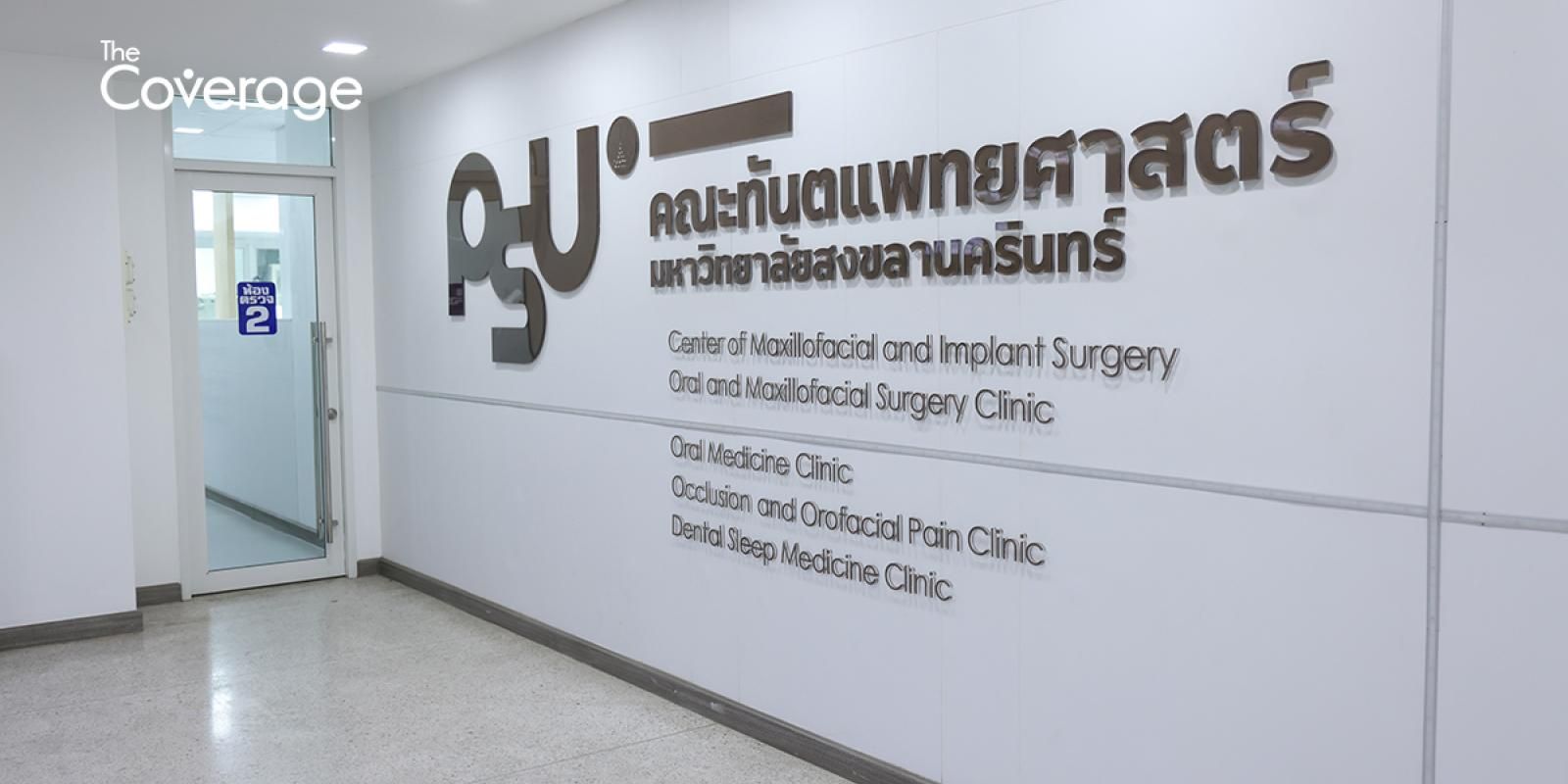
For years, Thailand’s health system has relied heavily on medical equipment and technologies imported from overseas, sending billions of baht abroad. But a visit to the Faculty of Dentistry at Prince of Songkla University (PSU) shows Thai researchers are developing alternatives that could meet the needs of both healthcare providers and patients.
The National Health Security Office (NHSO) is increasingly looking toward such locally developed innovations as a way to strengthen the country’s health system, reduce reliance on imports and create greater value from health spending within Thailand.
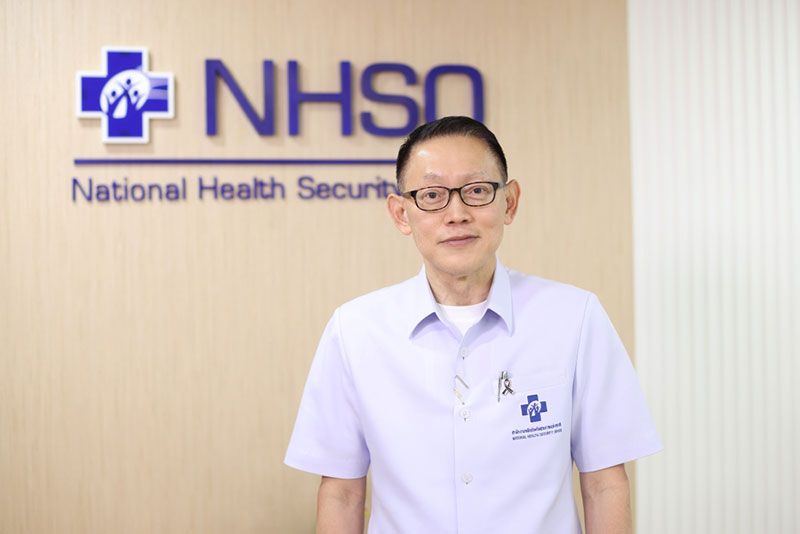
“The NHSO has to spend no less than 16 billion baht to pay for medical equipment from overseas. All of this money flows out of the country. It does not remain in Thailand,” said Dr. Atthaporn Limpanyalert, Deputy Secretary-General of the NHSO.
The statement points to a wider challenge: Thailand continues to depend on imported medical equipment even though Thai doctors and researchers have the expertise and knowledge to develop high-quality medical innovations. The potential is particularly visible in dentistry.
During Dr. Atthaporn’s field visit with the NHSO to the PSU’s Faculty of Dentistry, he saw a range of locally developed innovations, from materials for bone replacement to digital tools for oral health promotion and products designed for vulnerable patients.
The innovations have been developed with practical problems in mind. Researchers and faculty members have sought to address the “pain points” of both healthcare providers and patients, while developing products that can offer quality and effectiveness comparable to foreign technologies.
The innovations fall into three broad groups: high-impact products for bone replacement and bone preservation; essential dental materials for health services; and tools for smart prevention and special care.
Building alternatives to imported dental materials
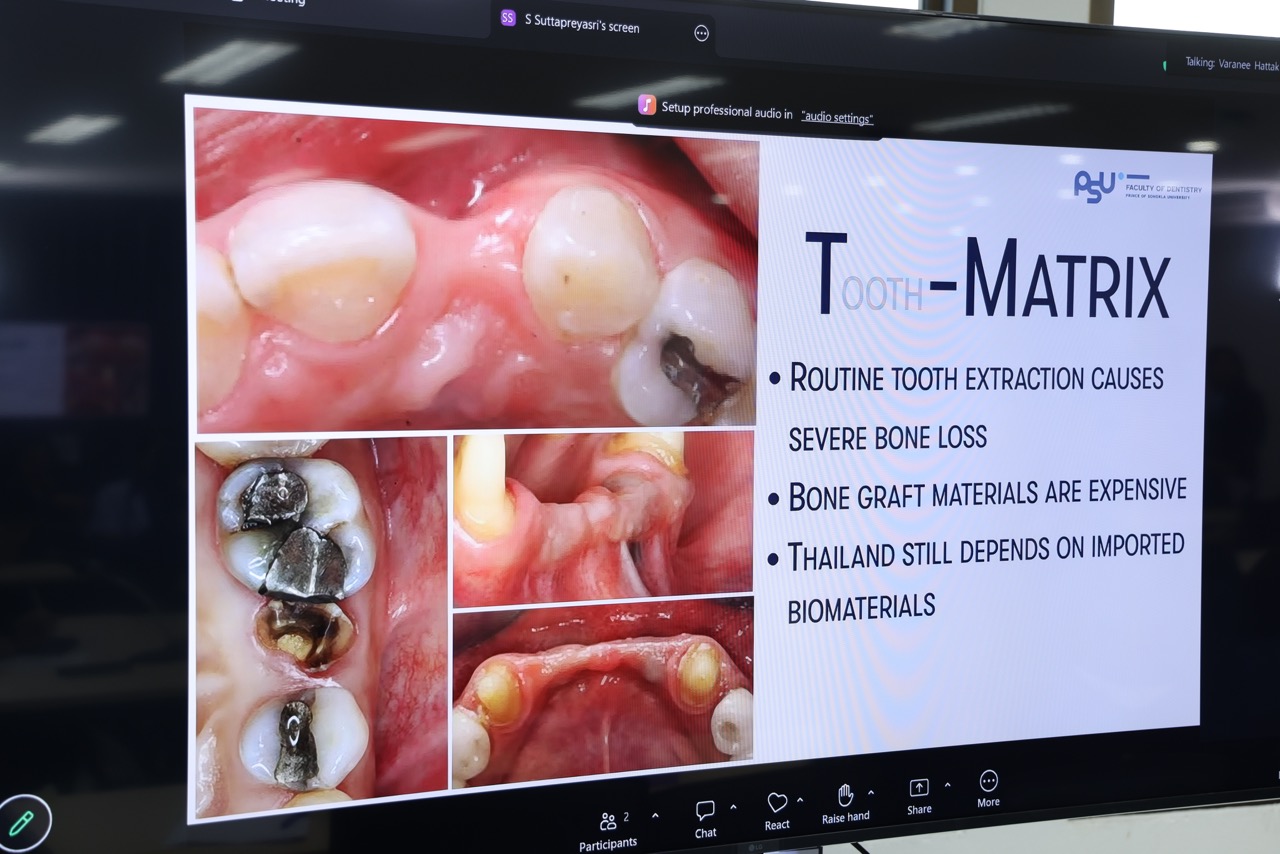
Among the high-impact innovations is T-MATRIX, a biological bone substitute material developed from human tooth-derived matrix. It is designed for use in oral and maxillofacial surgery, including preservation of the alveolar ridge after tooth extraction, ridge augmentation and preparation for dental implants.
Research has shown that the material has high biocompatibility and supports the adhesion and proliferation of bone-forming cells.
Another product, OSTEO-BARRIER PLUG, combines a bone substitute, absorbable collagen and a barrier membrane in a single ready-to-use product. It can be placed in the tooth socket after extraction without requiring several separate components.
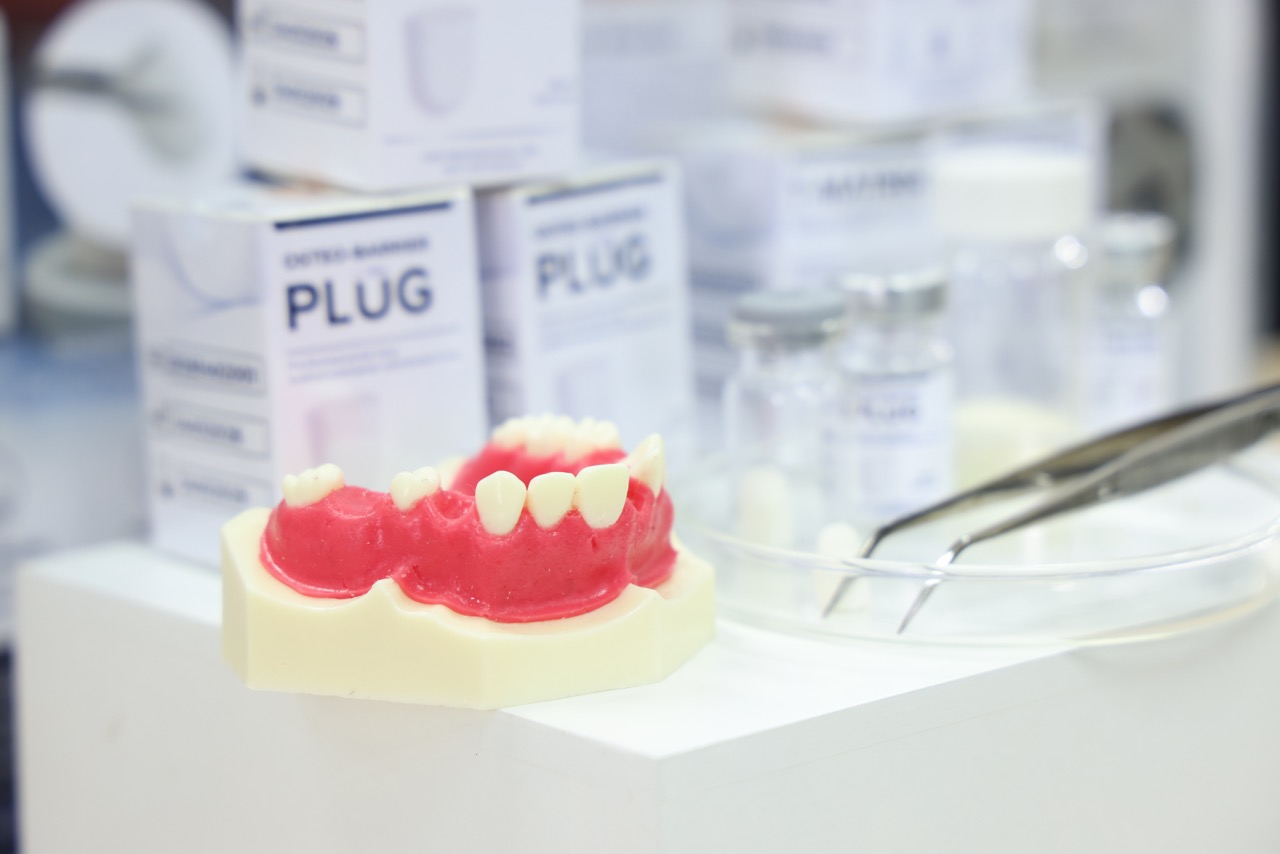
The design can reduce surgical steps and placement errors while helping preserve the volume of the alveolar ridge and preventing soft tissue from entering the bone-forming area.
SCAFFRESORB, meanwhile, is a resorbable bone substitute scaffold designed with interconnected pores to support blood circulation, cell infiltration and bone formation. It gradually breaks down through the body’s healing process and is replaced by new bone.
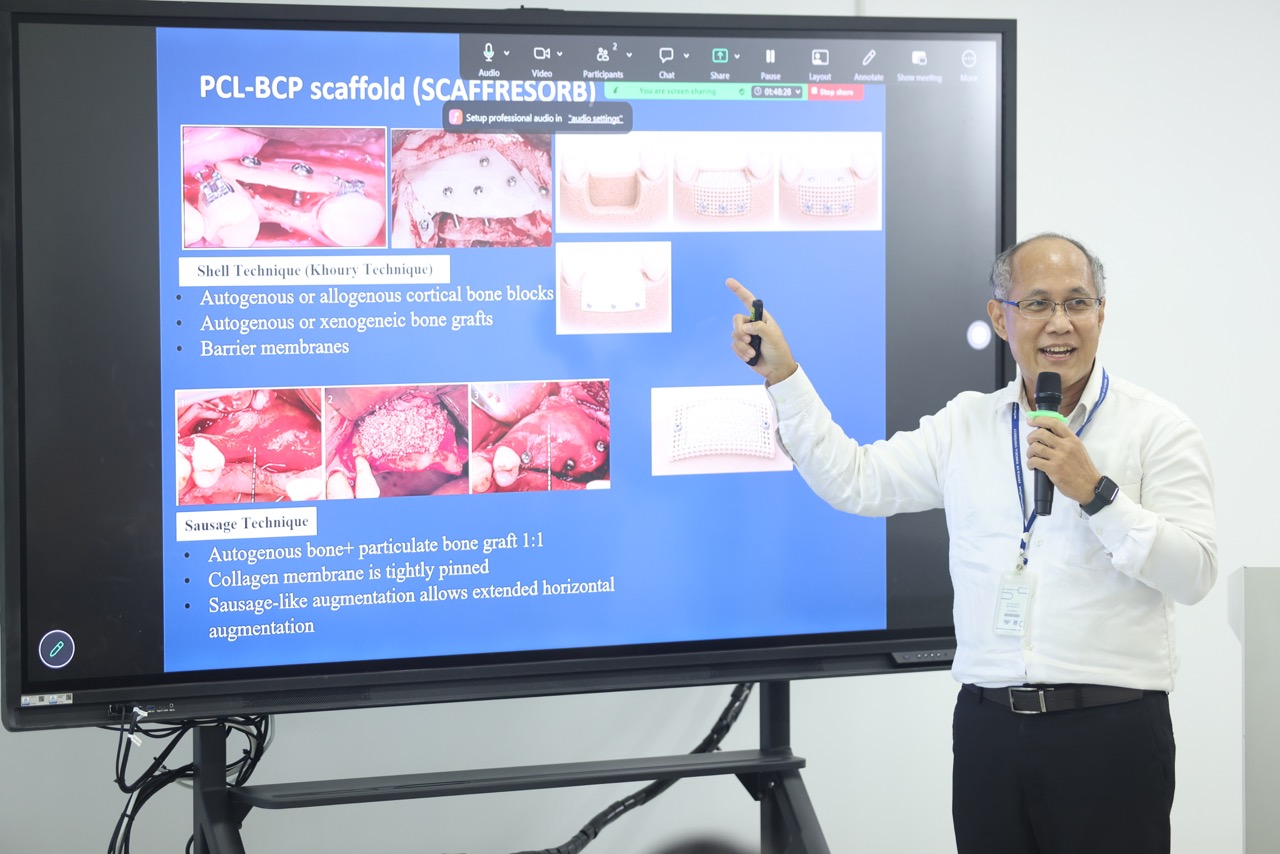
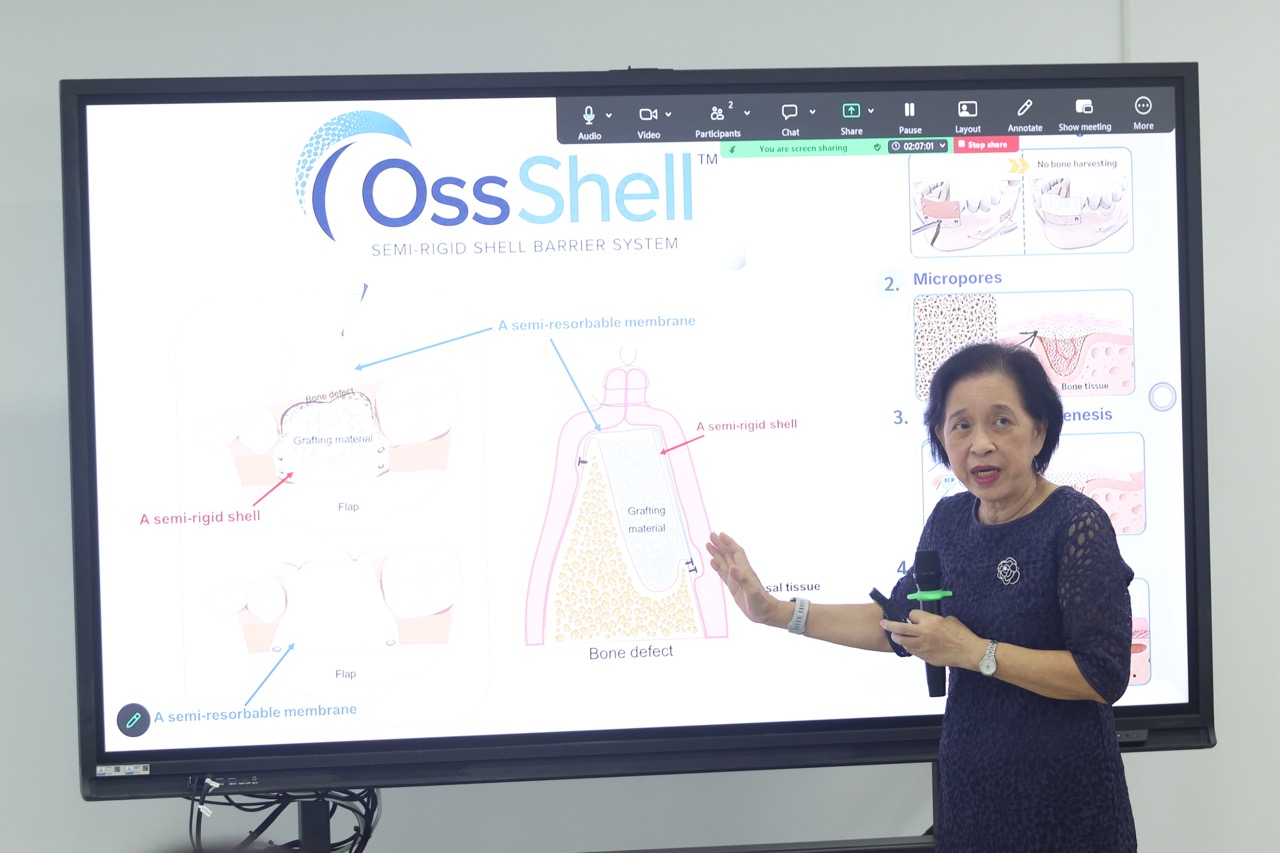
The Semi-Rigid Barrier System is designed to maintain the space needed for bone formation during alveolar ridge augmentation. Unlike soft barrier membranes that can collapse under pressure from soft tissue, the semi-rigid system helps maintain the grafting space and reduce movement of bone graft material.
Together, these products illustrate how locally developed technologies can be designed around specific clinical needs rather than simply replicating imported products.
Making essential dental care more affordable
The second group focuses on dental materials routinely needed by health services.
The products are designed to meet Thai FDA standards while being offered at appropriate prices, addressing dependence on expensive imported products and shortages of domestically produced materials that meet required standards.
PSU Pressure Indicating Paste, for example, helps dentists identify pressure points that can cause pain and pressure sores in denture users. By making it easier to identify where adjustments are needed, the material can help dentists modify dentures more quickly and reduce repeat appointments.
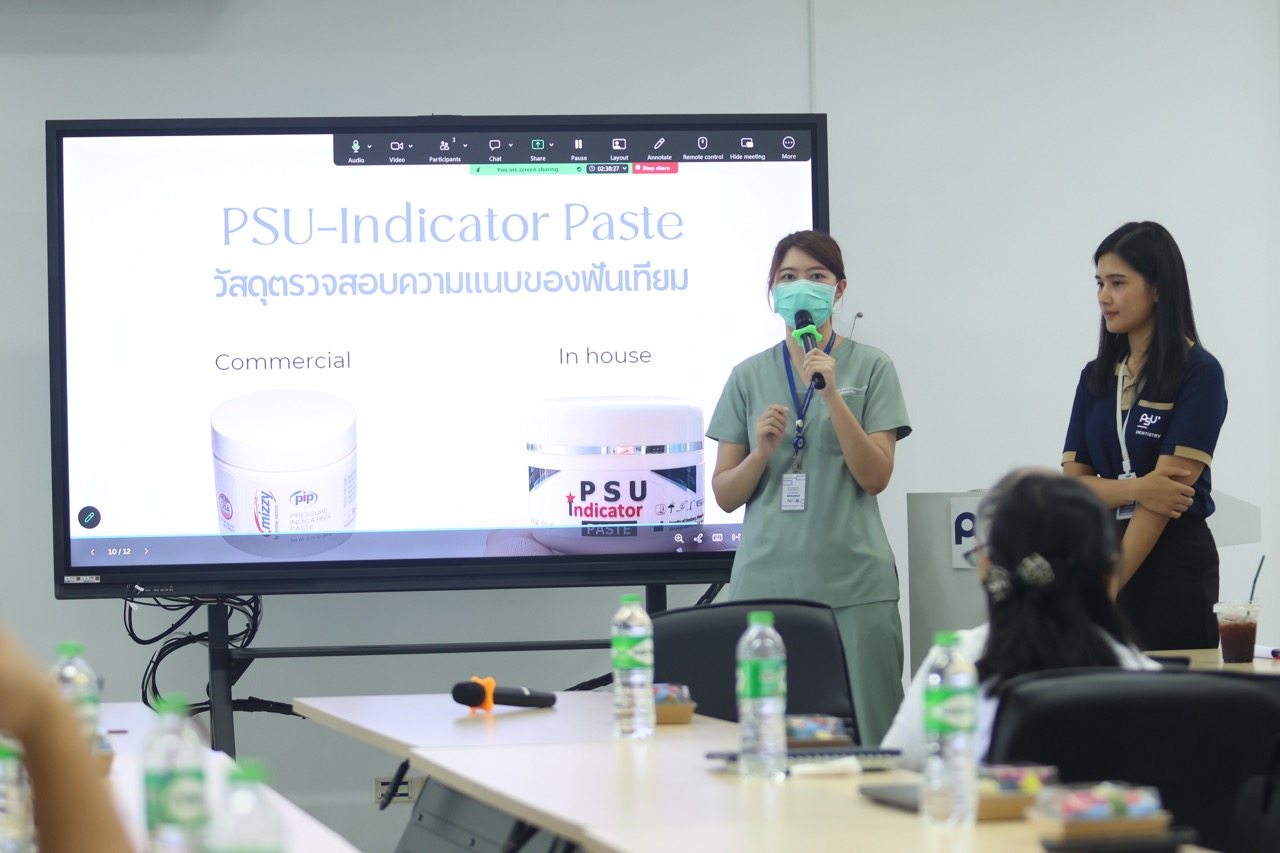
The product is manufactured domestically, is easy to use and affordable, and has the potential to replace imported products. Its development could help improve the cost-effectiveness of dental services under the universal health coverage system.
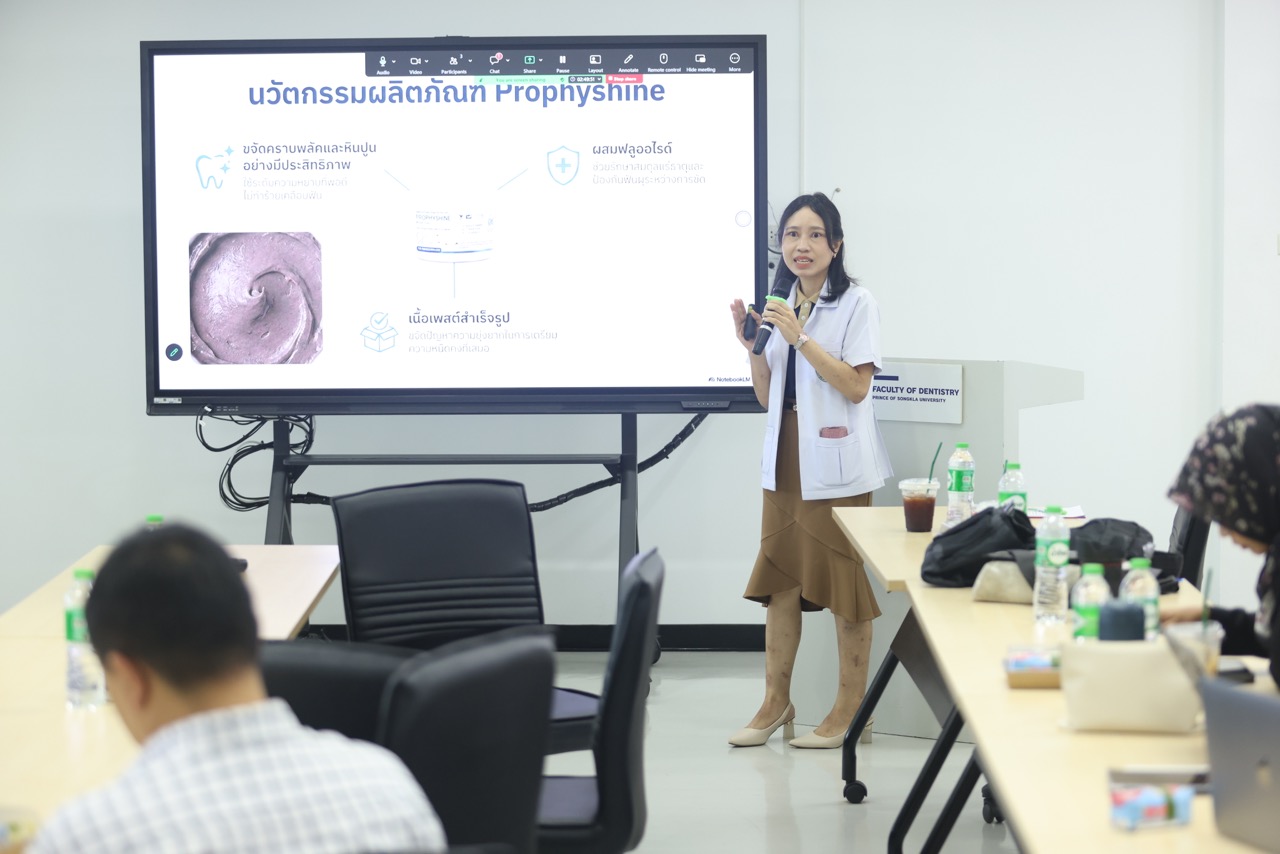
Another locally developed product, ProphyShine, is a fluoride-containing pumice used to clean and polish teeth. It helps remove plaque and stains while reducing unnecessary abrasion of tooth surfaces. Its fluoride content also supports remineralization of tooth enamel and reduces the risk of tooth decay after treatment.
Chlorhexidine 0.12% zero Alcohol is an alcohol-free mouthwash developed to control microorganisms and reduce dental biofilm. It is intended for people requiring special care or those at risk of oral infections, including older people, bedridden patients and patients experiencing dry mouth following chemotherapy.
Innovation designed around patients
The final group shows how innovation can extend beyond clinical materials to prevention and care for people with special needs.
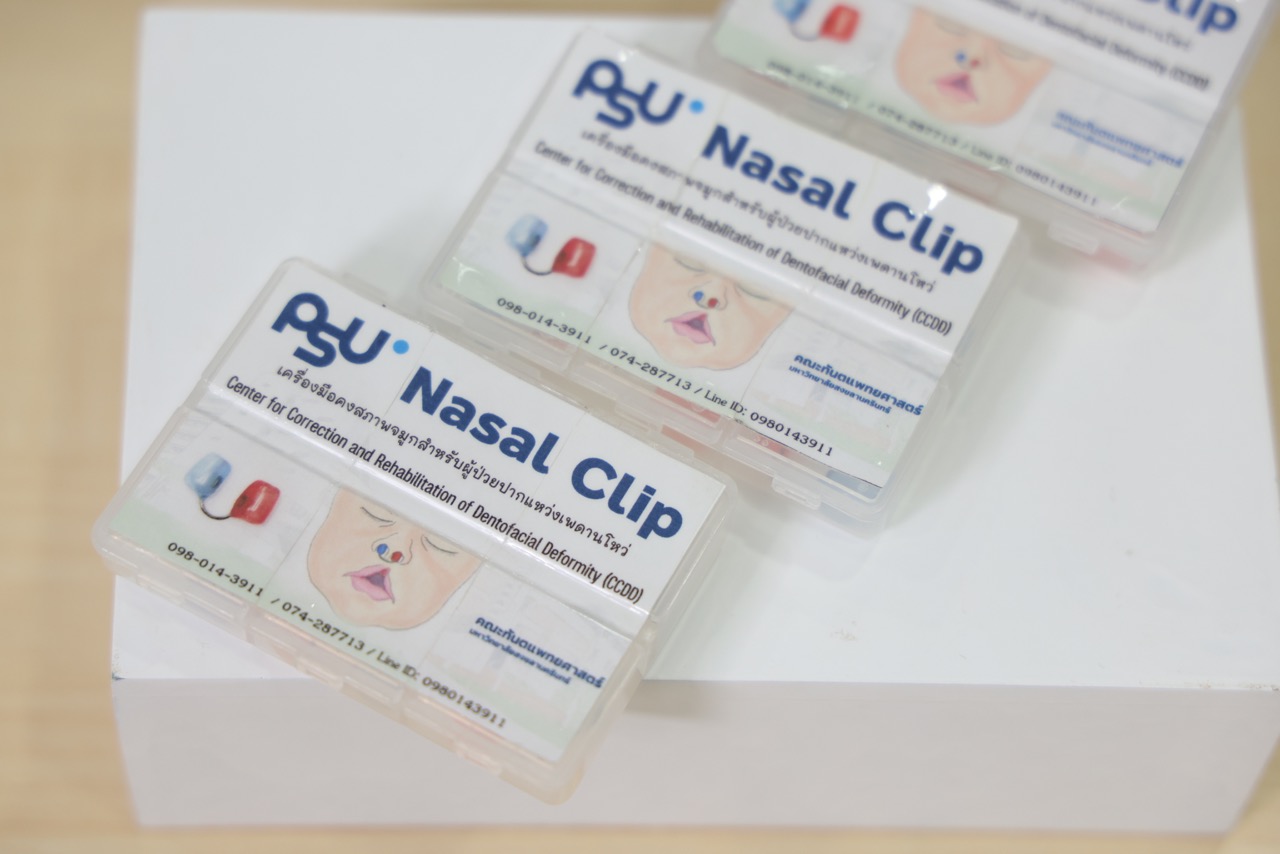
A Nasal Clip is designed for patients with cleft lip and palate following surgery. It helps maintain the shape of the nose, reduce movement of nasal structures and support long-term treatment outcomes.
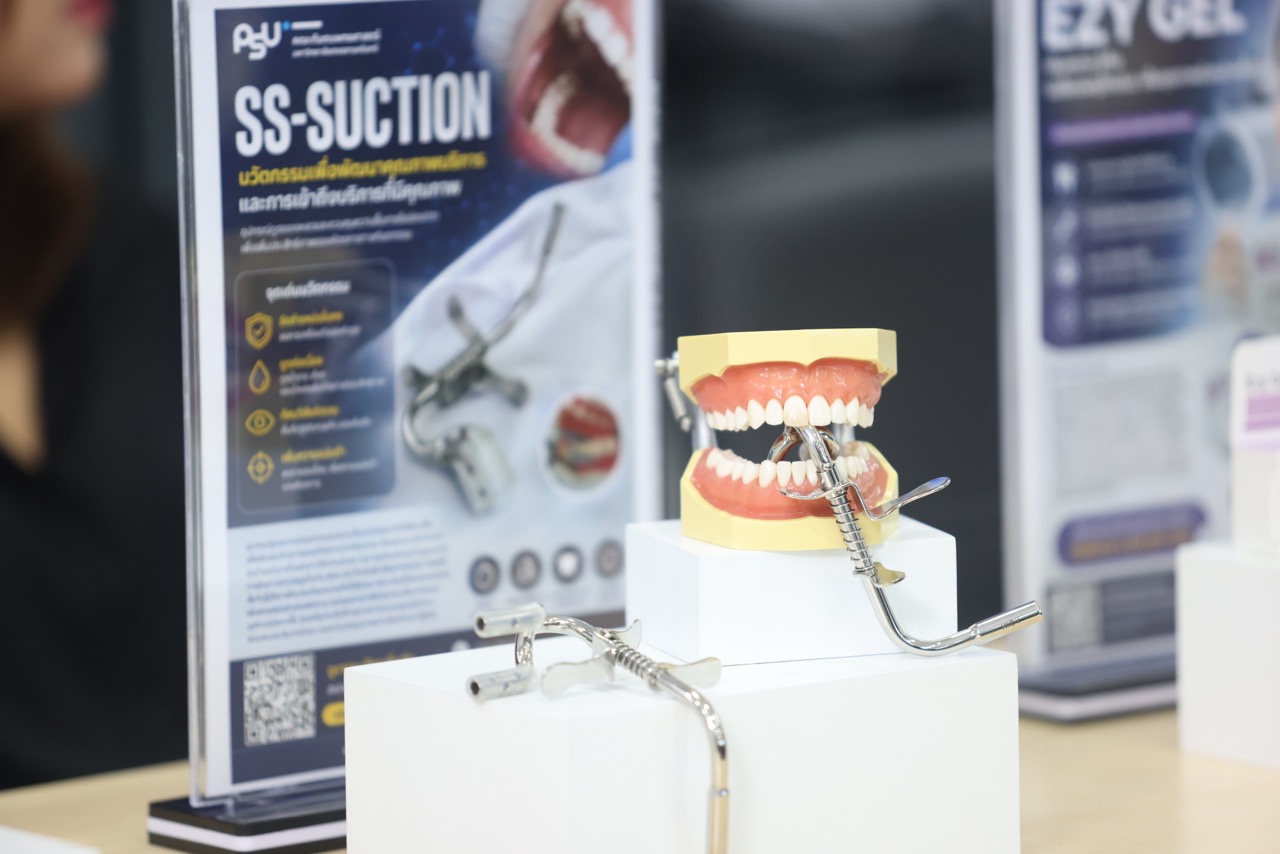
SS-suction, a two-way saliva suction tube, can remain positioned in the mouth without being held manually. This allows dental professionals to work with both hands and can help address situations where dental assistants are in short supply.
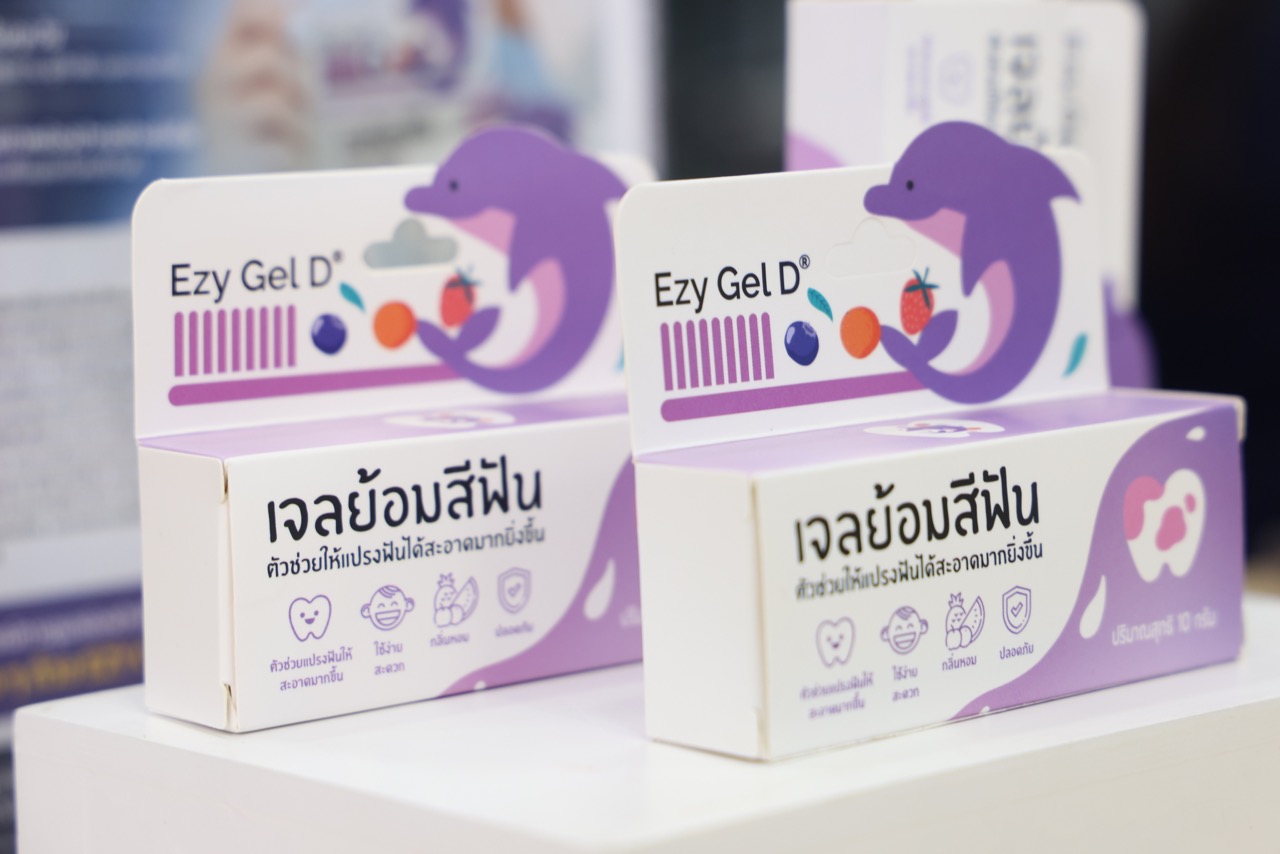
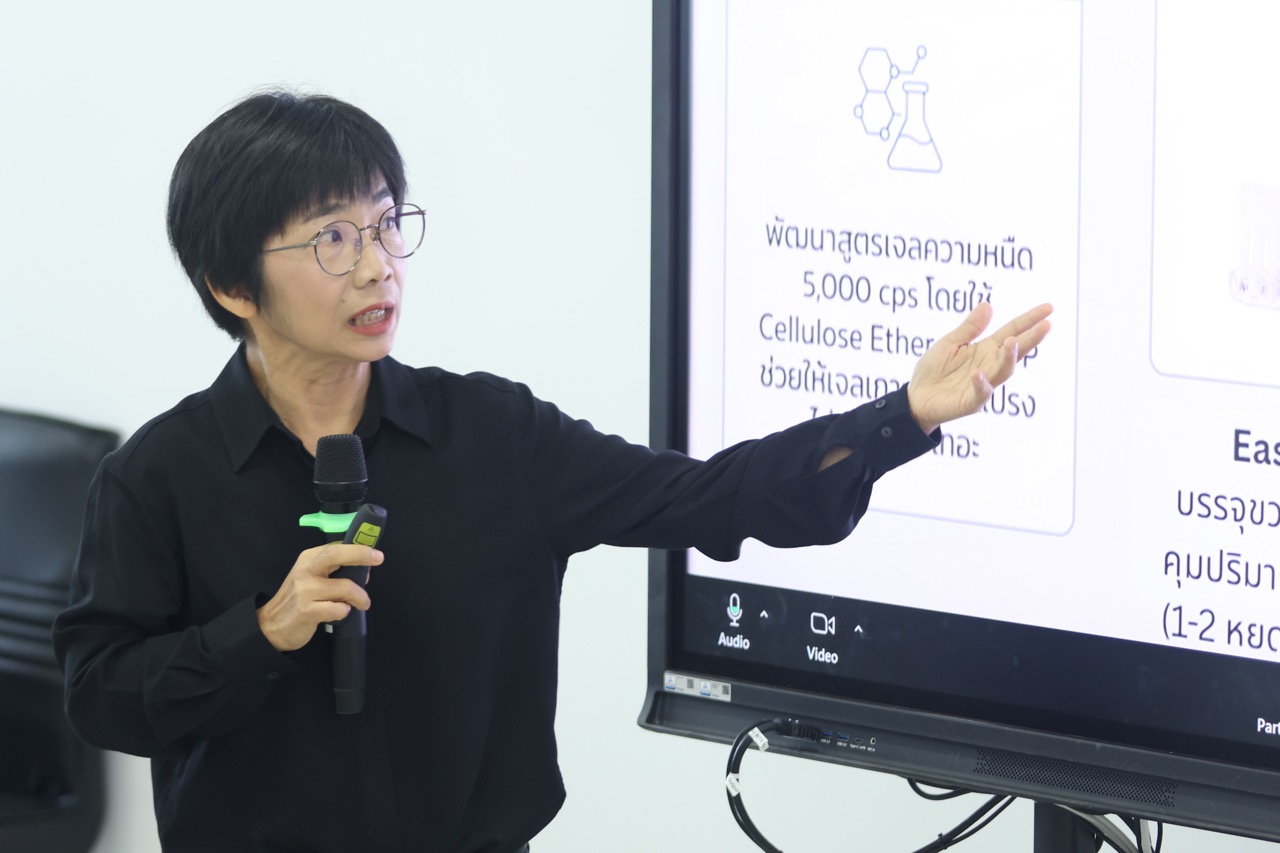
For oral health education, Ezy Gel discloses plaque on tooth surfaces, allowing patients to see how effectively they are brushing. It can also support oral health education and behavioral monitoring among children, older people and at-risk populations.
The “21 Days of Good Teeth” chatbot takes this approach into the digital space. Developed to promote oral healthcare behaviors among young children through their parents
or caregivers, it provides information, advice, learning materials, tooth-brushing demonstrations and behavioral assessments over 21 days.
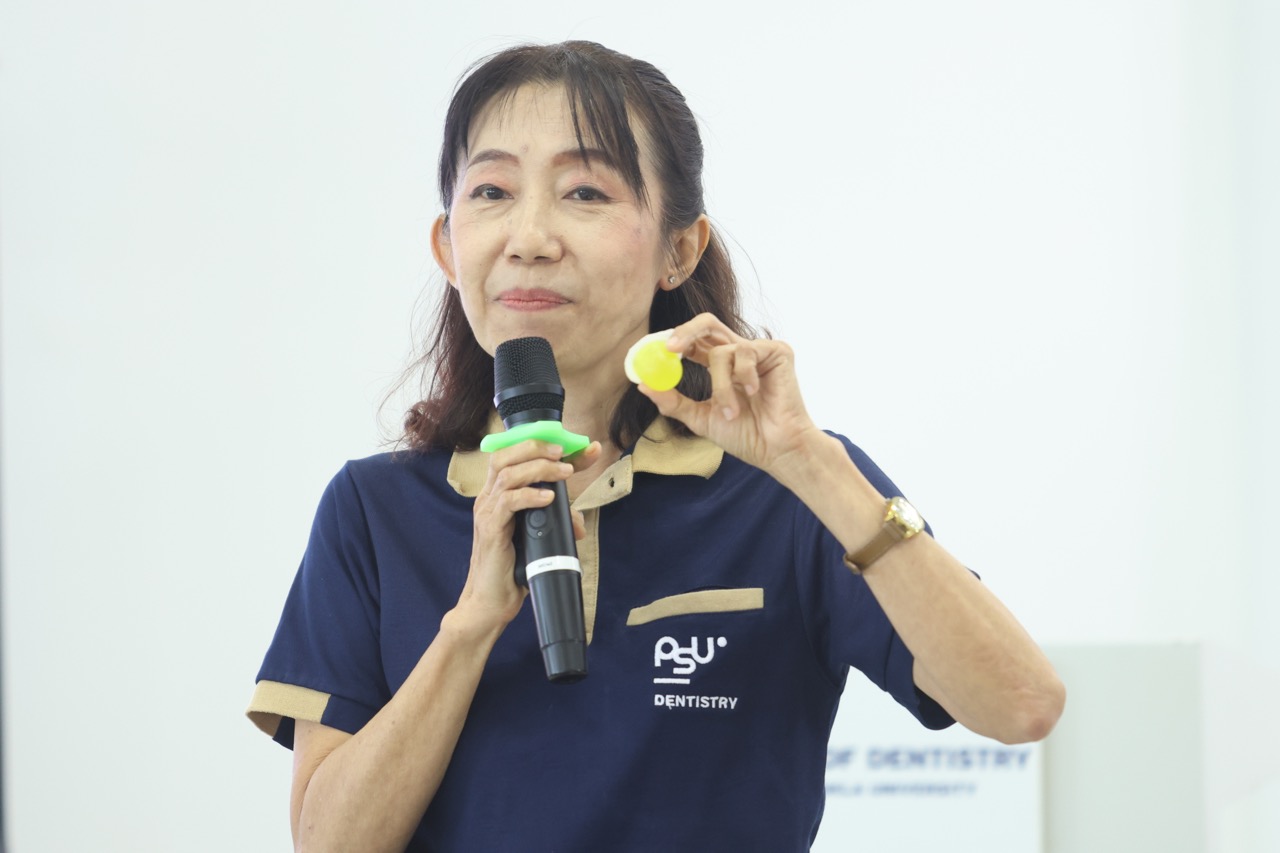
For vulnerable patients experiencing dry mouth, Gel Ball provides an edible artificial saliva gel designed to maintain moisture in the mouth, lubricate the oral mucosa and ease difficulties with speaking, chewing and swallowing.
Turning local research into health-system value
The range of products at PSU illustrates the potential of Thai research to respond directly to healthcare needs. But developing an innovation is only part of the process. The larger challenge is creating mechanisms that allow high-quality domestic products to become part of routine health services.
The NHSO’s interest in local innovation therefore carries significance beyond individual products. Redirecting some health-system spending toward Thai-made medical innovations could reduce dependence on imports while helping create economic value within the country.
For researchers, the health system can provide a pathway for innovations to move beyond the laboratory and into practical use. For healthcare providers, locally produced materials could offer affordable alternatives that address specific service needs. And for patients, successful innovations could eventually mean greater access to quality products and services.
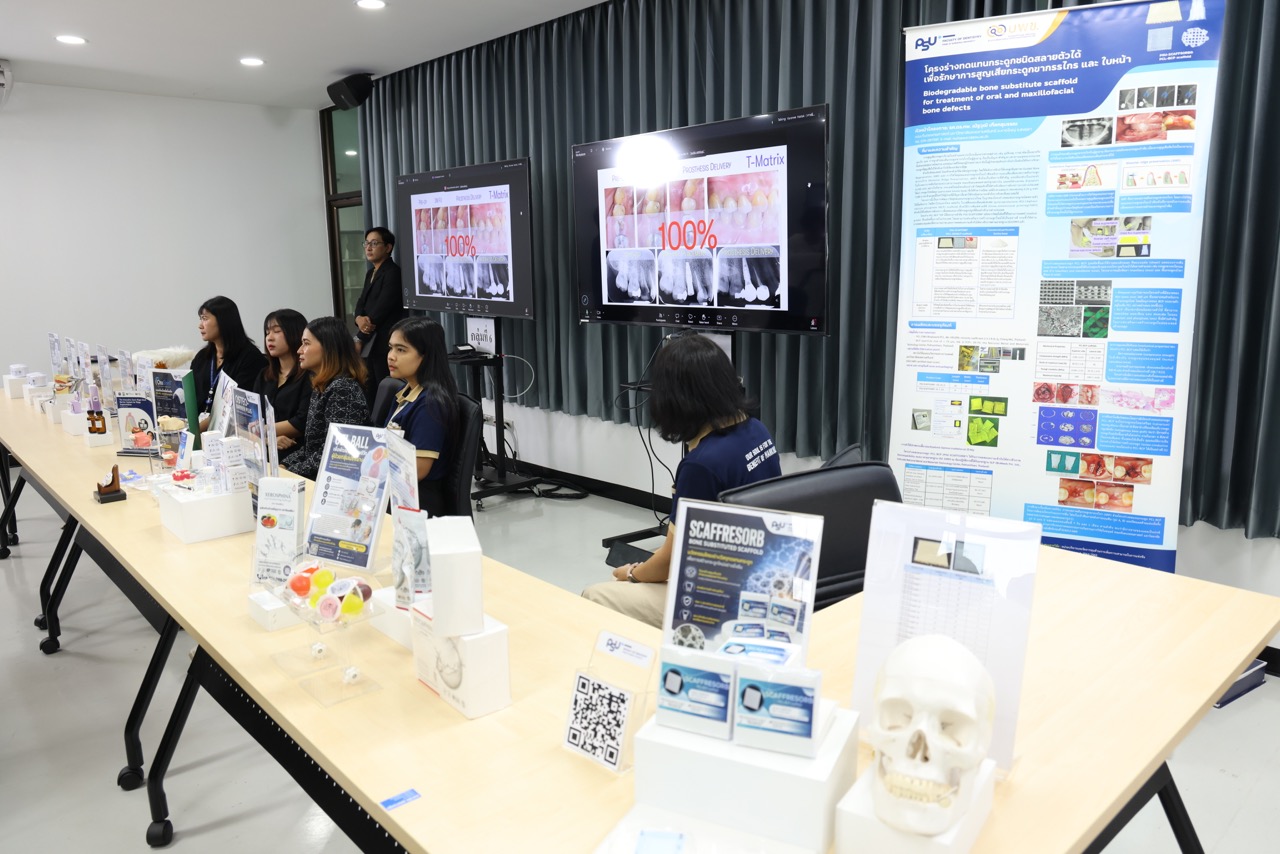
The products developed at PSU show the breadth of what local researchers can produce.
Dr. Atthaporn said supporting quality innovations made by Thai researchers could allow more of that investment to remain within the country while strengthening the health system at the same time.