


The National Health Security Office (NHSO) is accelerating efforts to bring advanced medical technologies, or Deep Tech, into the Universal Coverage Scheme (UCS)--- helping patients with complex and serious diseases gain more equitable access to innovative treatments that meet international standards.
From proton therapy and eye plaque brachytherapy to robotic surgery and emerging gene therapy, the NHSO is working with leading medical institutions to support the development and delivery of advanced treatments under the Universal Coverage Scheme (UCS), also known as 30-baht healthcare scheme and Gold Card scheme.
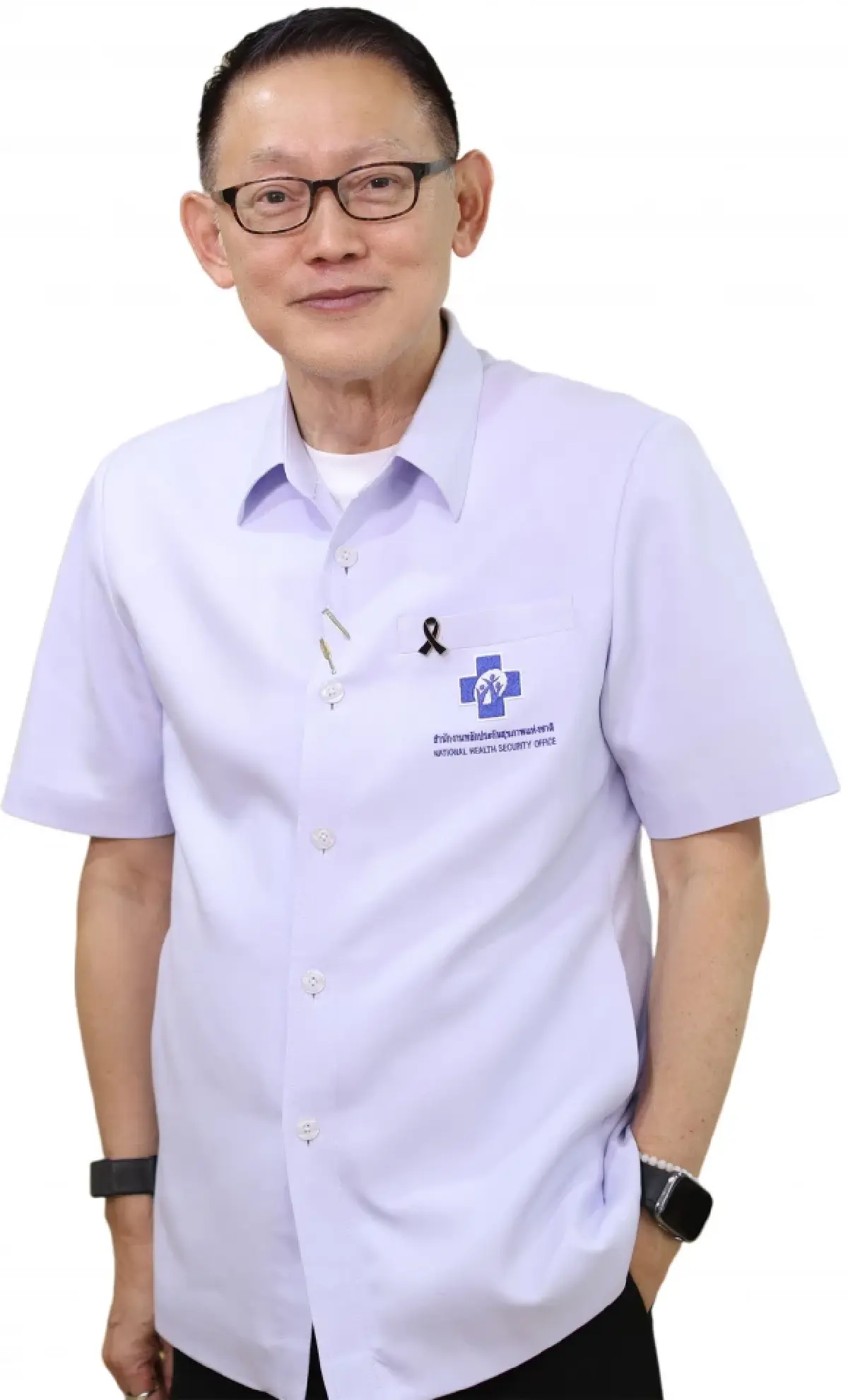
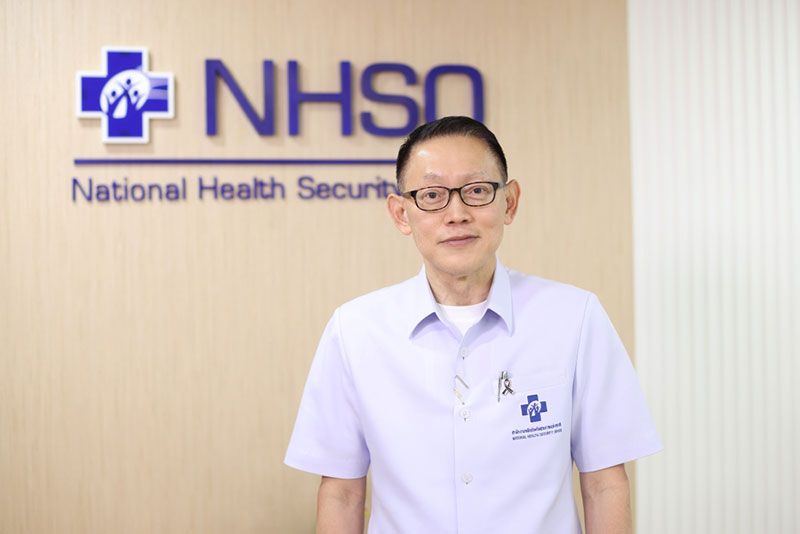
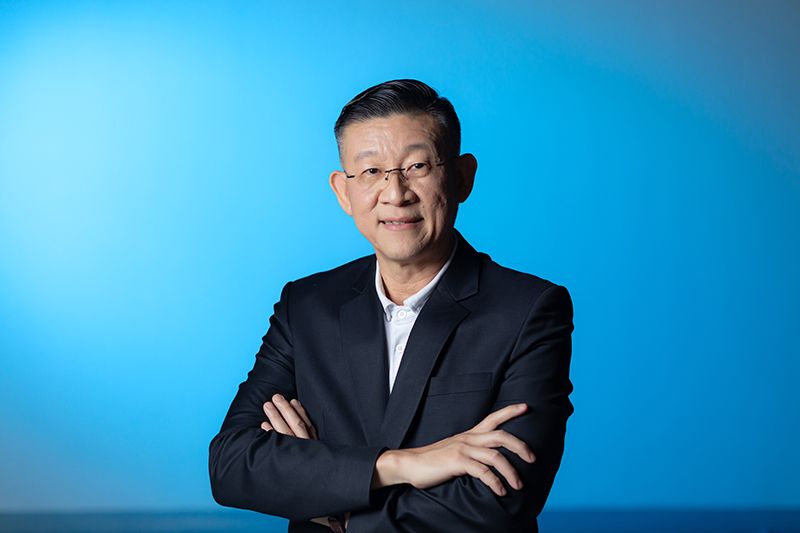
Dr. Jadej Thammatacharee, Secretary-General of the NHSO, said the agency considers Deep Tech — highly advanced, complex and high-value medical innovations — an important part of the continued development of Thailand’s healthcare system.
Beyond expanding patients’ access to effective and efficient treatment, supporting advanced medical technologies also helps strengthen Thailand’s medical system, he added.
As specialist doctors gain experience using sophisticated technologies such as surgical robots, their skills can continue to develop. At the same time, greater use of these technologies and higher treatment volumes can gradually bring down their costs.
Over time, this can help transform technologies that are currently considered advanced into standard public health services that can be accessed by people across the country.
Expanding access to advanced treatment
The NHSO has worked continuously with leading medical schools to support essential services and innovative treatments, helping patients across Thailand access technologies that may otherwise be available only at specialized facilities.
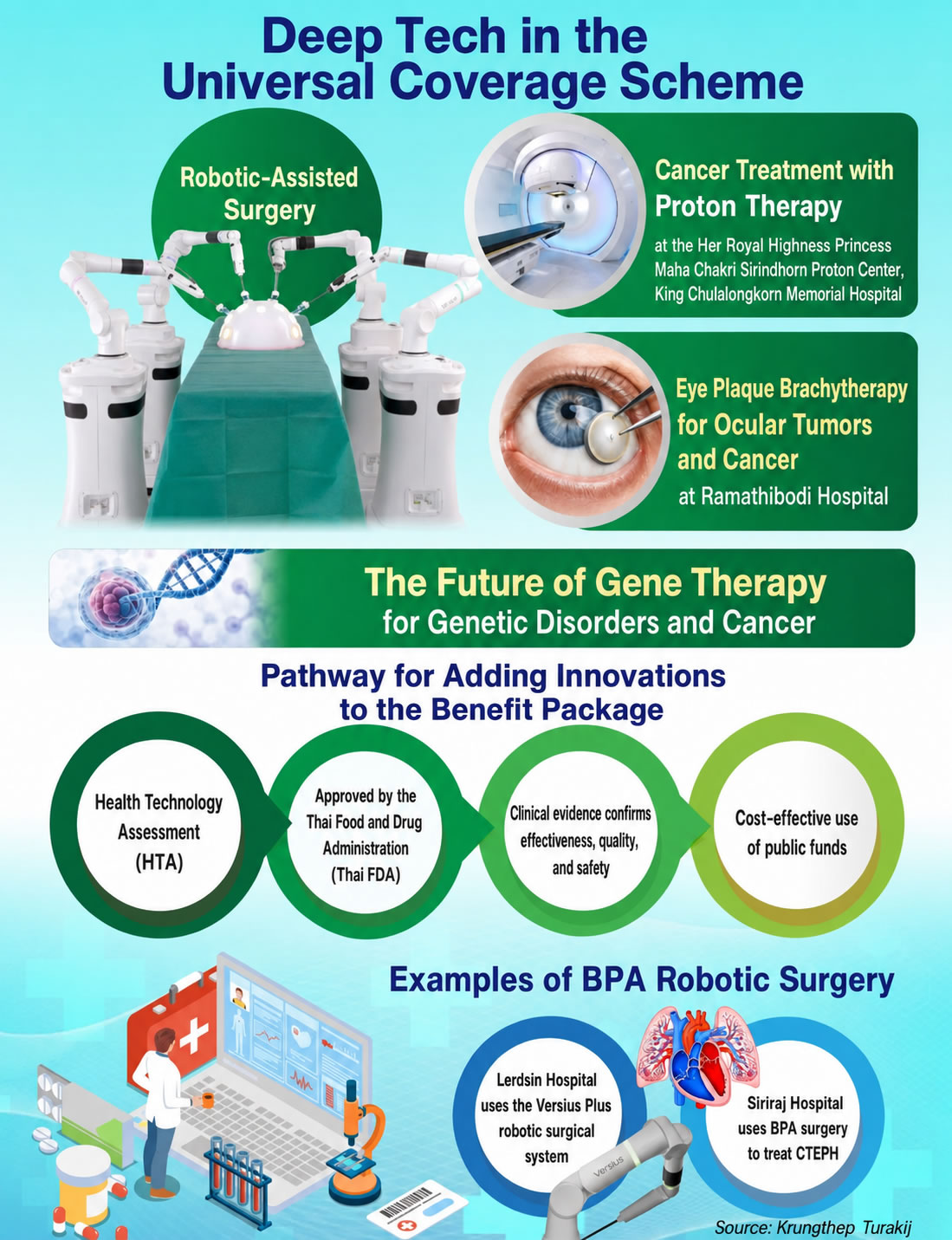
One example is proton therapy for cancer treatment at the Her Royal Highness Princess Maha Chakri Sirindhorn Proton Center at King Chulalongkorn Memorial Hospital, currently the only proton therapy facility in Thailand.
Proton therapy is a highly precise technology. It has demonstrated high rates of local disease control and survival among children with brain cancer and can reduce side effects in all aspects compared with conventional radiotherapy.
Another example is eye plaque brachytherapy, provided by Ramathibodi Hospital for patients with tumors and cancer of the eye. The treatment precisely targets malignant tumors with radiation while minimizing the impact on surrounding healthy tissue. It can also help preserve the eye without requiring surgical removal of the eyeball.
“For payment for services in this group, the NHSO works with hospitals to develop projects and provide funding at clearly defined rates, allowing the UCS patients to access treatment continuously,” Dr. Jadej said.
He added that some advanced innovations are available at only one facility in the country, making travel a potential barrier for patients living far from Bangkok. The NHSO therefore supports patient transportation services to help ensure that distance and travel costs do not prevent people from receiving treatment.
Bringing robotic surgery to more patients
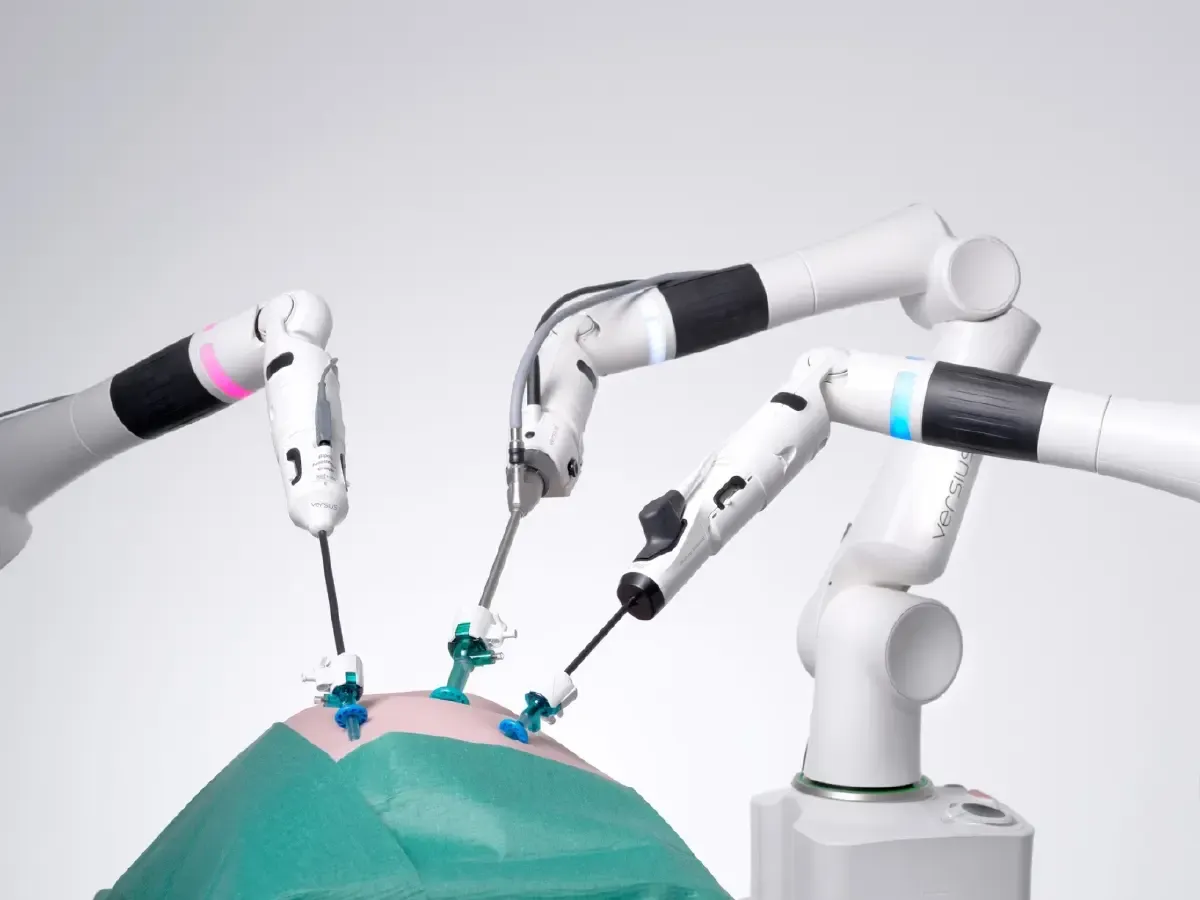
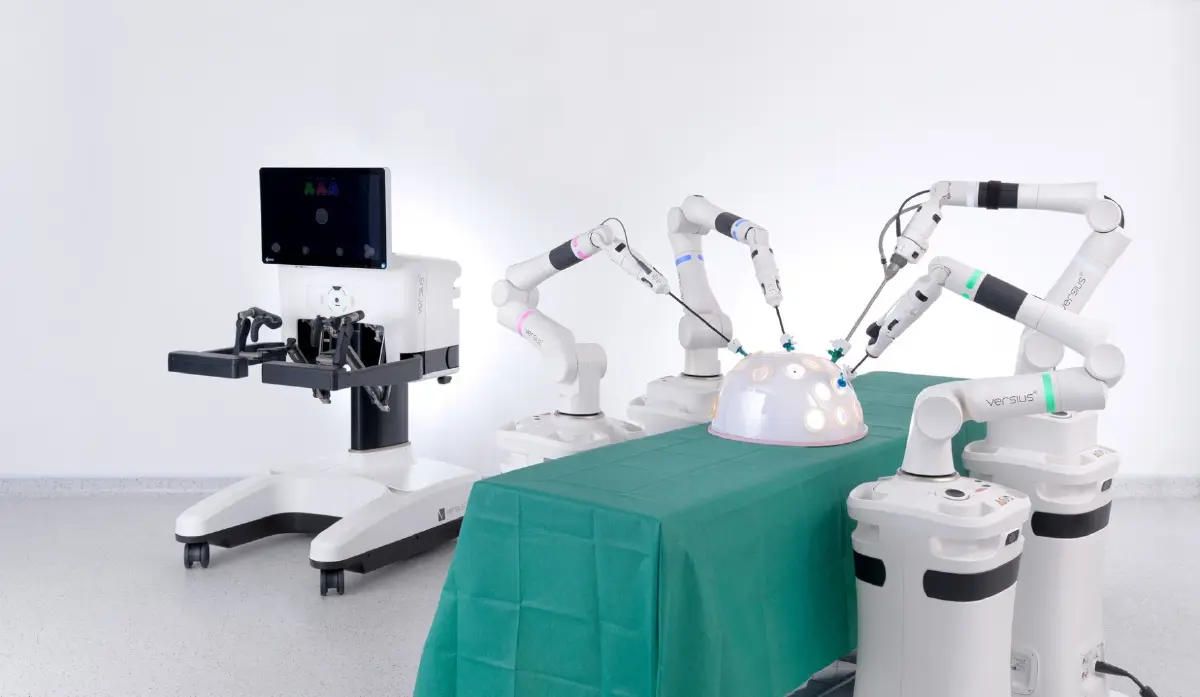
The UCS beneficiaries can also access robotic surgery, another form of advanced medical technology. As more hospitals with the necessary capabilities have joined the service, the NHSO has established a dedicated budget for robotic surgery, allowing participating hospitals to claim reimbursement directly from the NHSO.
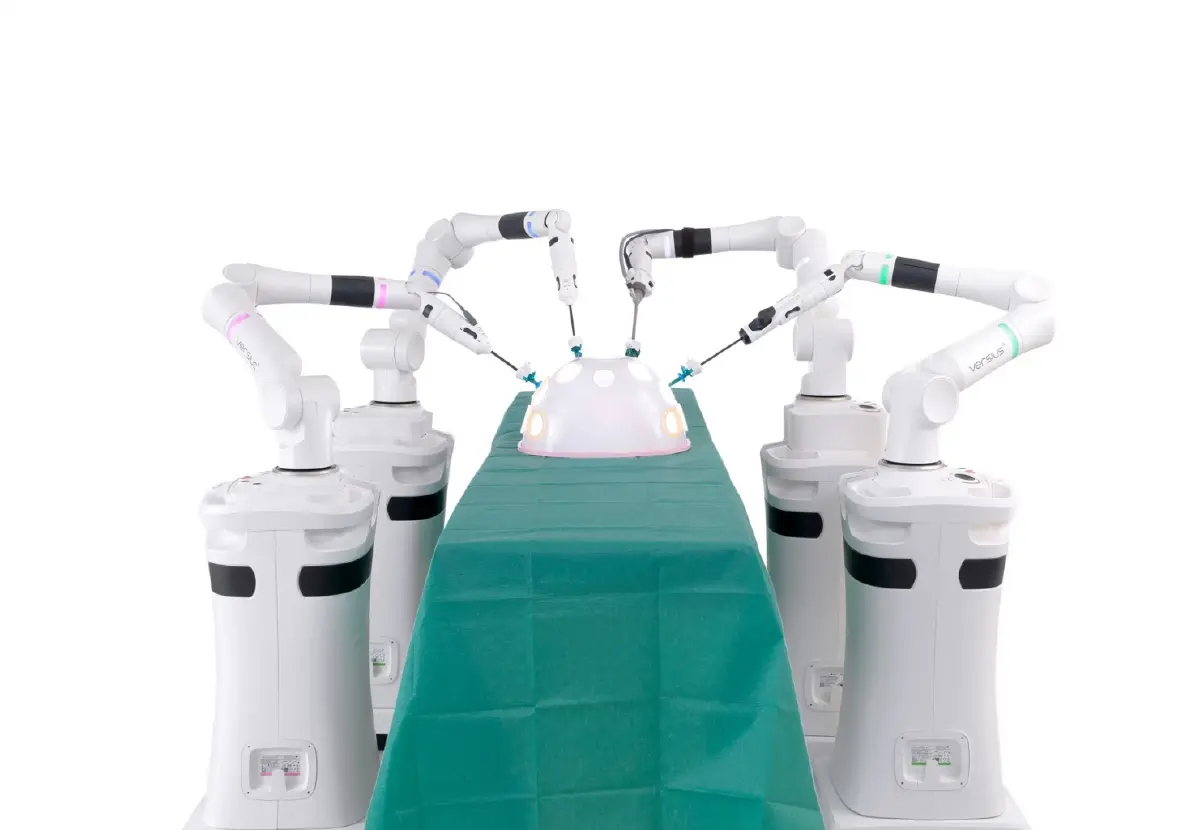
One hospital contributing to this effort is Lerdsin Hospital, which has invested in the Versius Plus Modular Robotic Surgery system from the United Kingdom.
Dr. Adisak Ngamkajornwiwat, Director of Lerdsin Hospital, said the hospital is using the technology to treat patients covered by government healthcare schemes, including the UCS.
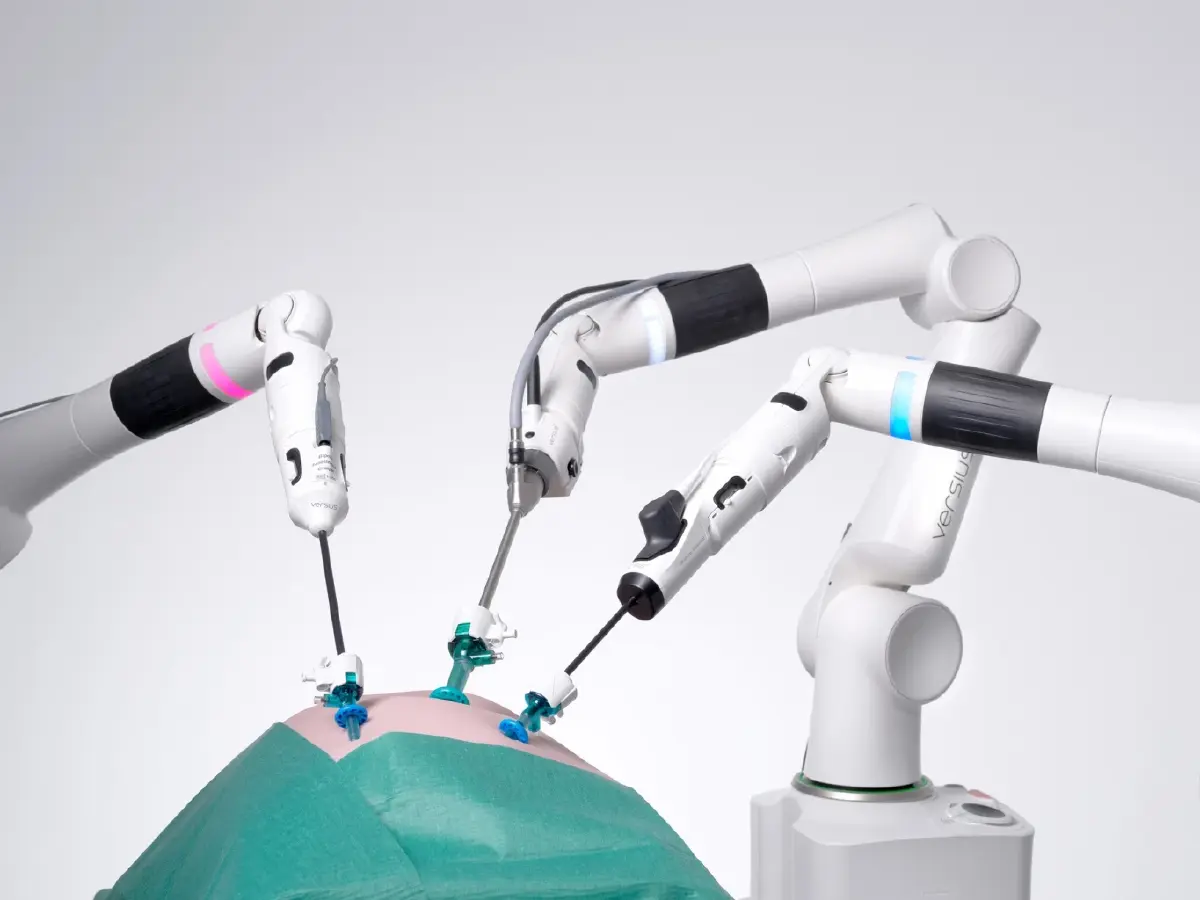
Lerdsin Hospital has also launched the Lerdsin Institute of Robotic Surgery (LiROS), which will serve as Thailand’s first learning and training center for surgeons and nurses in modular robotic surgery.
Under the concept “Advanced Robotic Surgery for All,” the hospital aims to reduce health disparities by ensuring that patients can access world-class medical technology equally, safely and according to international standards.
The hospital will also provide opportunities for other hospitals to jointly use its robotic surgical system.
Because the robot can be moved between facilities and trained doctors can travel to perform surgery where patients are located, Lerdsin Hospital expects to expand the service to other regions within 2026. The initiative will begin with three southern border provinces before expanding to all regions, giving people in remote areas greater access to advanced medical innovations.
Using purchasing power to make gene therapy more accessible
The NHSO is also looking ahead to the next generation of advanced treatments. Dr. Jadej said the NHSO is studying the feasibility of introducing gene therapy into the UCS.
Gene therapy is an innovative approach used to treat genetic diseases and some types of cancer and could provide additional treatment opportunities for patients who need it. However, the cost of gene therapy overseas can reach as much as 20 million baht per patient.
To address the high cost, the NHSO has used a strategic procurement approach, collecting information on the treatment needs of approximately 200 patients within the system and using this information to negotiate prices with manufacturers and researchers.
The initial negotiations reduced the price to approximately 2 million baht per patient — a reduction of up to 90%.
The resulting price is close to the cost of bone marrow transplantation, which is already covered under the UCS.
The approach demonstrates how the purchasing power of the UCS can be used to negotiate more appropriate prices for high-cost innovations.
By managing the health fund in this way, the NHSO can create greater opportunities for patients to access effective new treatments without having to shoulder costs beyond their means.
Ensuring innovation delivers value for patients and the health system
While expanding access to new medical technologies, the NHSO emphasizes that innovations must meet standards of effectiveness, safety and value for money.
Dr. Jadej reaffirmed that the NHSO operates according to principles of transparency and good governance. The agency has no policy of using health insurance funds to invest with private companies or startups for profit.
Instead, its role is to purchase healthcare services that are high-quality, appropriate and cost-effective, ensuring the greatest possible benefit for the public.
Before a new innovation can be included in the UCS benefit package, it must undergo a comprehensive Health Technology Assessment (HTA).
The assessment goes beyond approval by Thailand’s Food and Drug Administration (FDA). It requires empirical medical evidence demonstrating the technology’s effectiveness, quality and safety, as well as evidence that it provides sufficient value for the country’s healthcare budget.
Siriraj expands treatment for CTEPH
Another example of advanced treatment being made available to patients is at Siriraj Hospital, where doctors have introduced Balloon Pulmonary Angioplasty (BPA) for patients with Chronic Thromboembolic Pulmonary Hypertension (CTEPH).
The procedure, carried out by Associate Professor Dr. Suree Sompradeekul and her medical team since 2024, has successfully treated 23 patients to date.
Dr. Suree, from the Department of Medicine at the Faculty of Medicine Siriraj Hospital, Mahidol University, explained that the number of BPA procedures required varies depending on how long it takes for the disease to be detected.
Patients require an average of six to eight procedures, with approximately one month between each procedure. The average cost is 100,000 baht per procedure, which can be reimbursed under the patient’s healthcare entitlement.
There are currently four to five patients waiting for treatment. The medical team will meet to assess each case and determine the appropriate treatment approach, with patient safety as the primary consideration.
One patient who has benefited from the service is Duanghathai, who underwent eight BPA procedures using her UCS entitlement. She is currently undergoing follow-up care and has been able to return to normal life.
She learned that she had CTEPH at the age of 24 and underwent treatment for many years. She experienced difficult periods, including right-sided heart failure, gaining 20 kilograms within two weeks and suffering from swollen legs.
After receiving BPA treatment, her quality of life improved. Now 36, she continues to receive follow-up care.
“Now I take care of my health by exercising regularly and seeing the doctor for follow-up appointments as scheduled. I have to thank the medical team who performed the BPA procedure and helped me return to living a normal life again.”
From supporting advanced treatment at specialized medical centers to negotiating lower prices for emerging technologies and helping patients overcome geographic barriers, the NHSO’s approach aims to ensure that medical innovation does not remain accessible only to those who can afford it or live near specialized facilities.
Instead, the goal is to progressively bring effective, safe and cost-effective medical technologies into Thailand’s public health system, giving patients across the country greater and more equitable opportunities to benefit from advances in medicine.