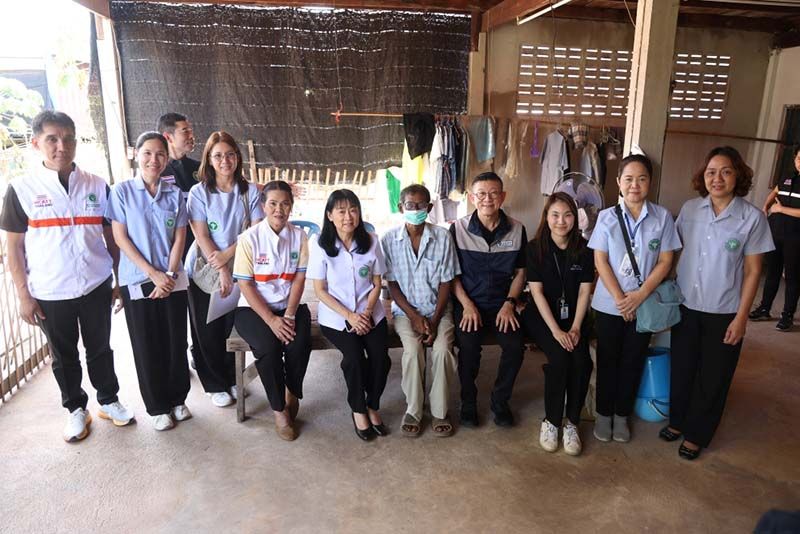




In Thailand’s northeastern Nakhon Phanom province, a local government is using Long-Term Care (LTC) funding to provide support directly to older people who are unable to live independently, reducing the need for families to travel to hospitals for routine care.
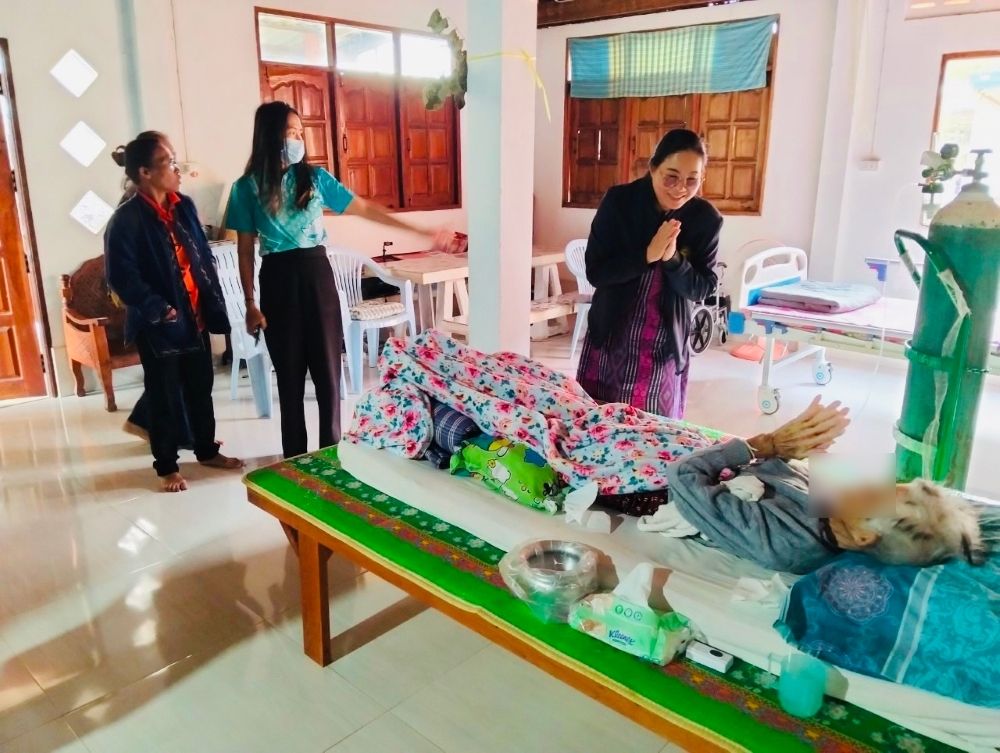
Na Kham Subdistrict Municipality in the province’s Si Songkhram district currently provides home-based care to more than 250 older people with dependency needs. Most are homebound or bedridden and require regular assistance.
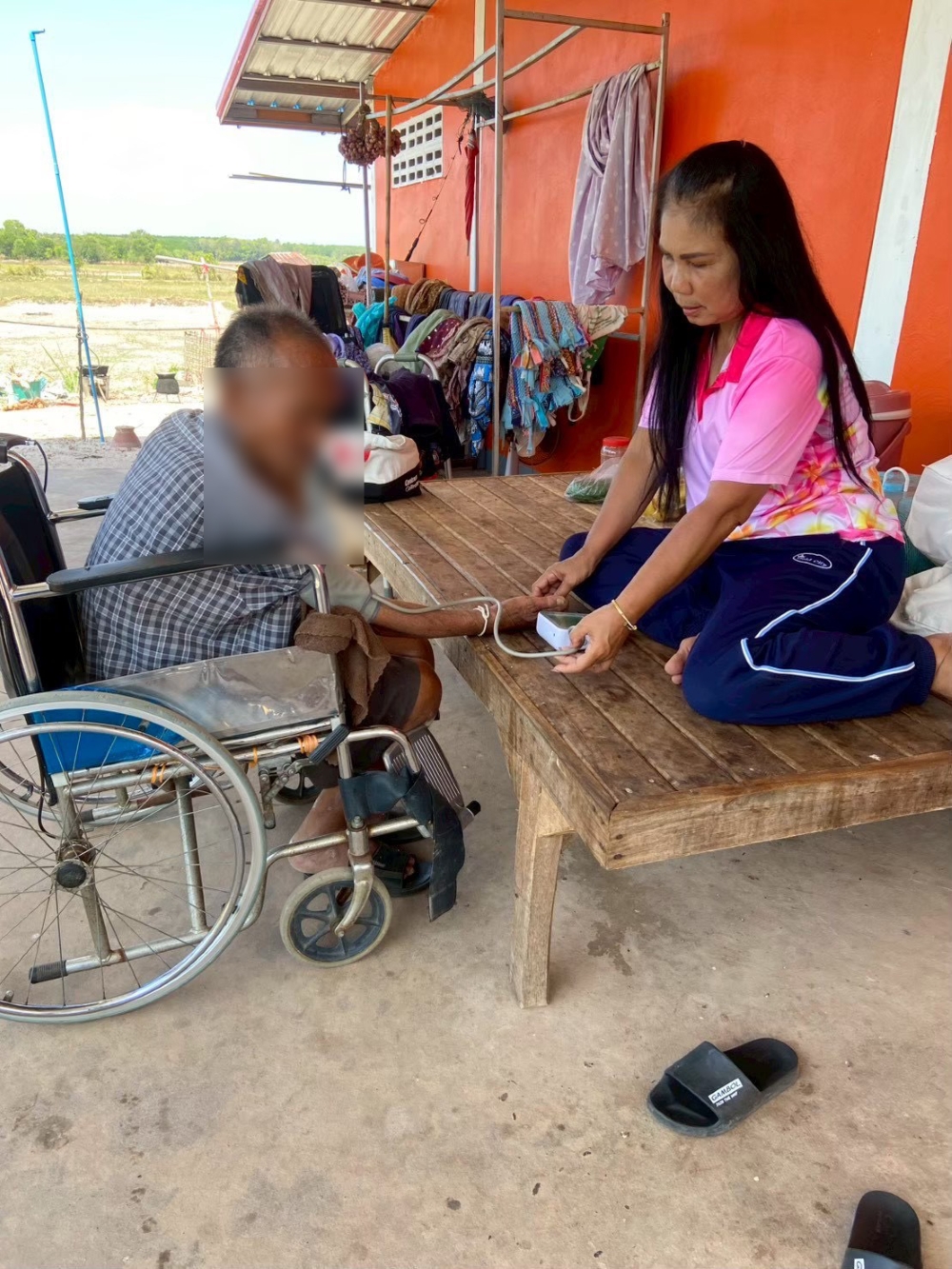
“The LTC Fund enables older people with dependency needs to receive continuous care at home, while relatives and family members gain more knowledge and skills in providing care,” said Kannika Dayangyut, director of the Division of Public Health and Environment at Na Kham Subdistrict Municipality.
“This helps reduce both the time and financial burden on families. Importantly, it also creates jobs and income for caregivers in the community. This helps improve quality of life in terms of health, social wellbeing and the local economy.”
LTC financing is part of Thailand’s tax-funded Universal Coverage Scheme (UCS), commonly known as the 30-baht healthcare scheme. The National Health Security Office (NHSO) provides funding and operational guidance, while local governments work with health providers and communities to organize care according to local needs.
Unlike healthcare financing focused primarily on treatment at hospitals and clinics, LTC funding is designed to support people who need continuing assistance with daily activities because of age, illness or disability. By supporting care at home and in communities, the system aims to help people remain in familiar surroundings while reducing pressure on families and health facilities.
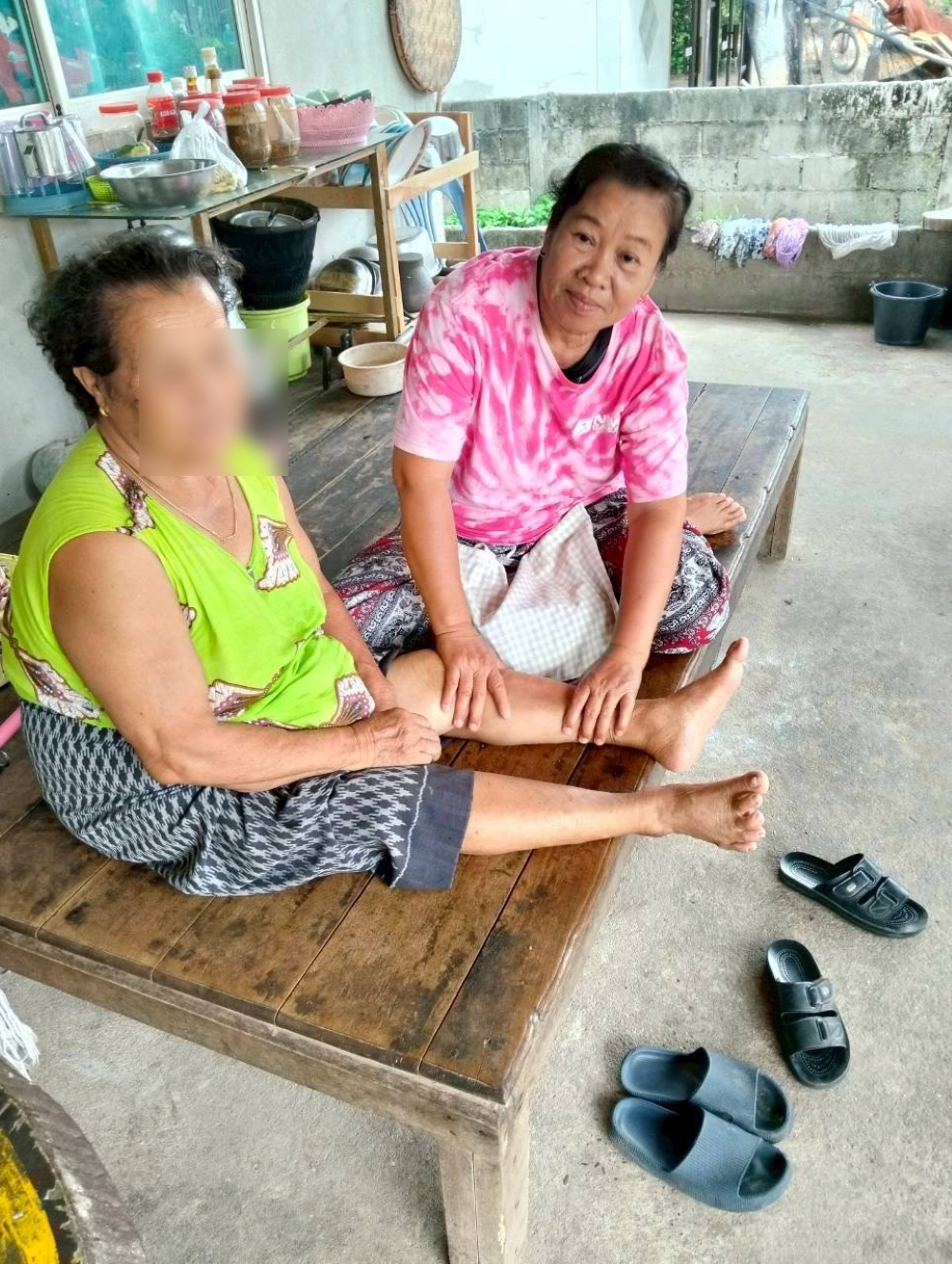
Na Kham began implementing its LTC program in 2020. The municipality currently has nearly 2,000 older residents, with more than 250 classified as having dependency needs.
The program is based on cooperation between the municipality, subdistrict health-promoting hospitals, village health volunteers, government agencies and civil society organizations.
The model also reflects Section 47 of Thailand’s National Health Security Act, which promotes the participation of local governments and communities in managing health services in their areas.
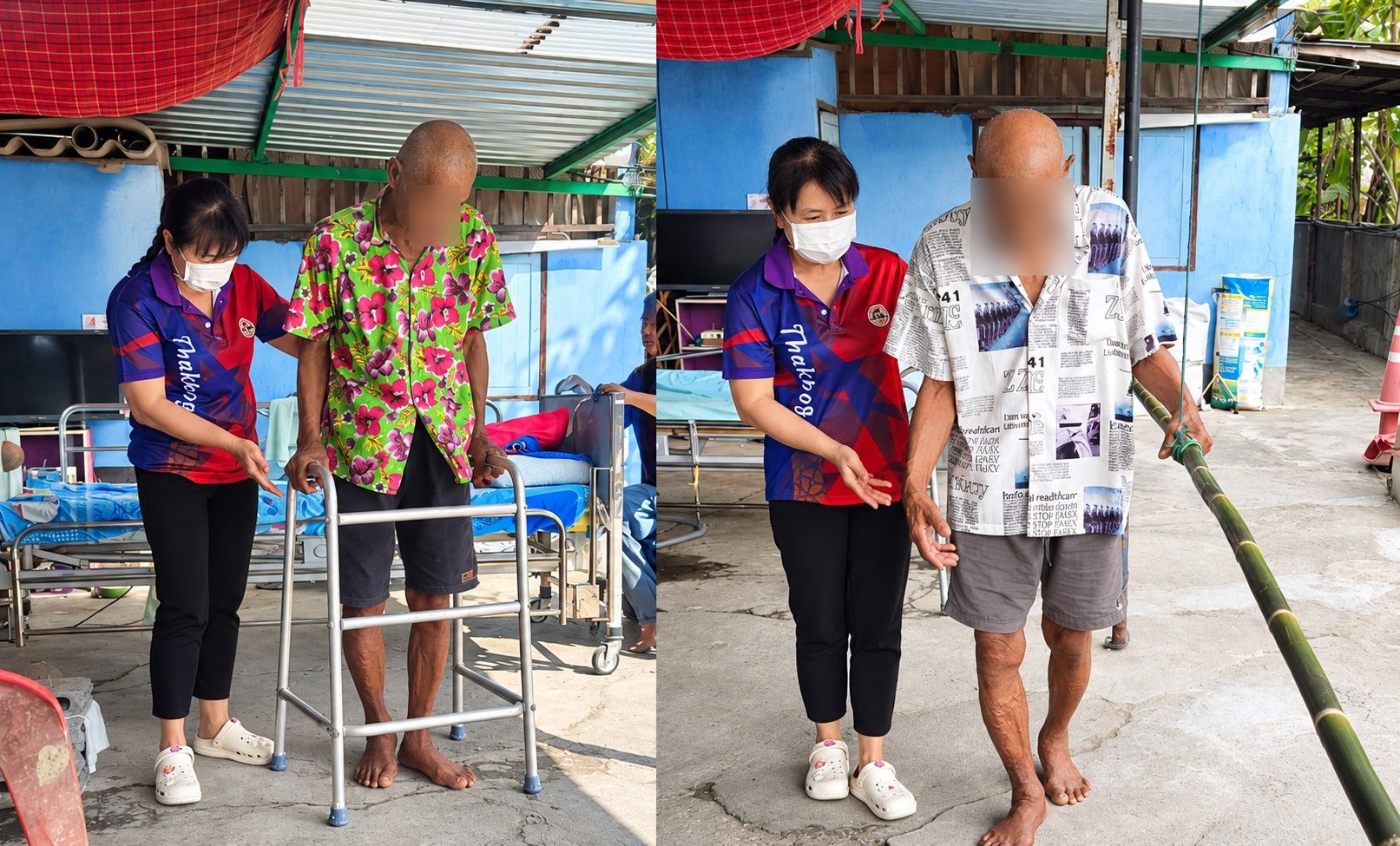
The municipality has trained care managers and caregivers to make regular home visits. They assess health conditions, monitor changes and work with families to adjust individual care plans when necessary.
Na Kham currently has 60 caregivers. Fifty work under a grassroots economic stimulus program, while 10 work part-time under the LTC Fund. They are an important link between the formal health system and older people who may otherwise struggle to access services.
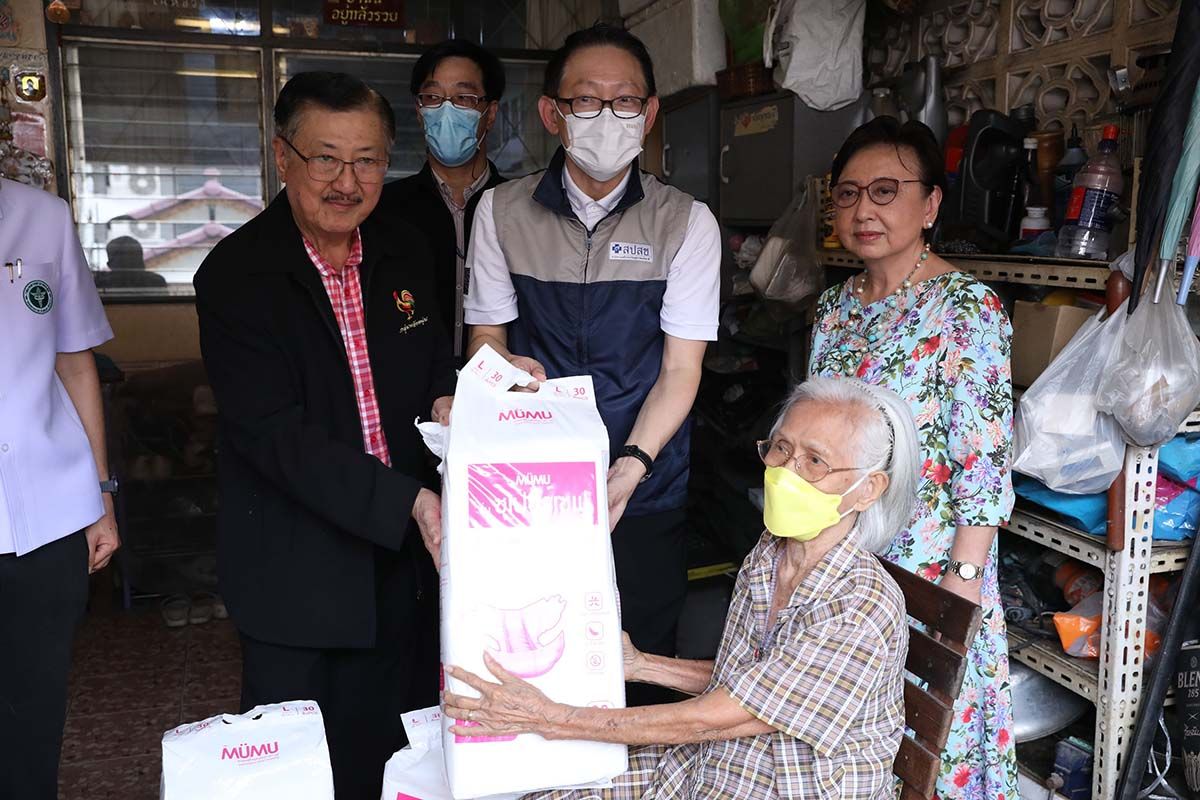
The LTC Fund also supports equipment needed for home care, including beds, wheelchairs, mobility aids and adult diapers. Families receive training and advice to improve their ability to care for older relatives safely and appropriately. This can reduce the financial and practical burden of travelling to hospitals, particularly for people who are bedridden or have difficulty travelling.
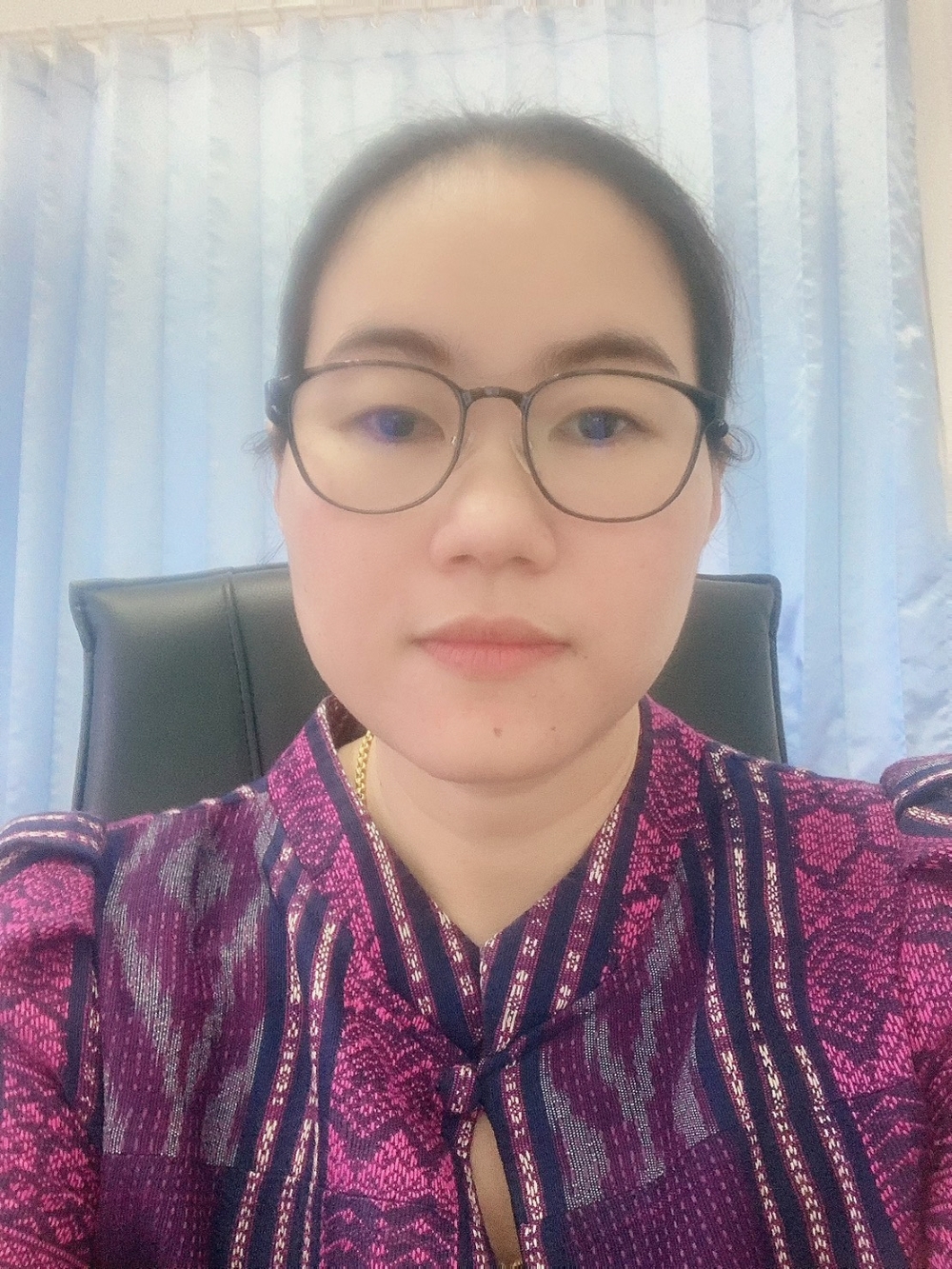
Kannika said the program has not been without challenges. In its early stages, the municipality faced limited funding, shortages of trained personnel, difficulties coordinating information between agencies and limited public understanding of the LTC Fund and its role.
In response, the municipality increased staff training and public communication, and strengthened coordination with health-promoting hospitals and village health volunteers. Families were also encouraged to participate through training and consultations, with additional support from the local health security fund.
She added that further resources are still needed for equipment, consumable supplies, caregiver compensation and travel costs. Continued training for care managers and caregivers is also needed.
Another priority is developing a central information system that can connect local governments with public health agencies and better integrate LTC funding with local health security and rehabilitation funds. Such integration could help provide a more continuous range of services, from disease prevention and long-term care to rehabilitation.
“The key is cooperation among all parties,” Kannika said. “If communities and families participate, supported by adequate funding, personnel and appropriate information systems, older people will receive quality care and be able to live in their own communities with dignity.”