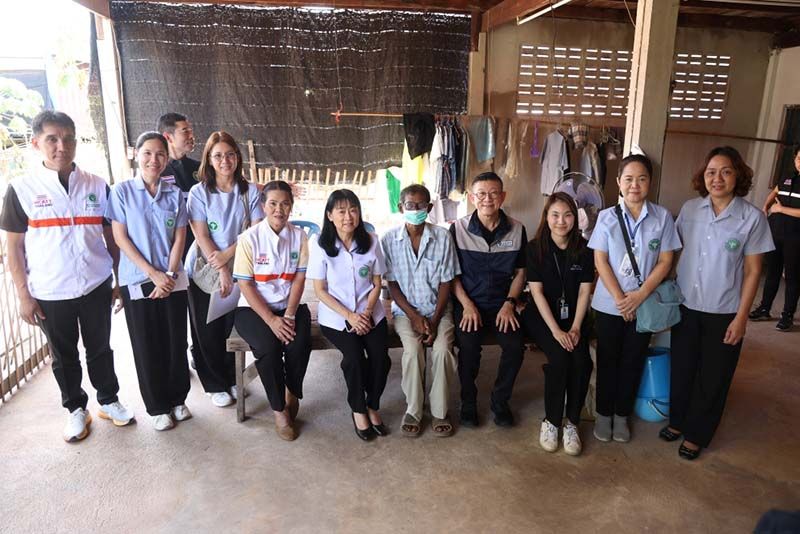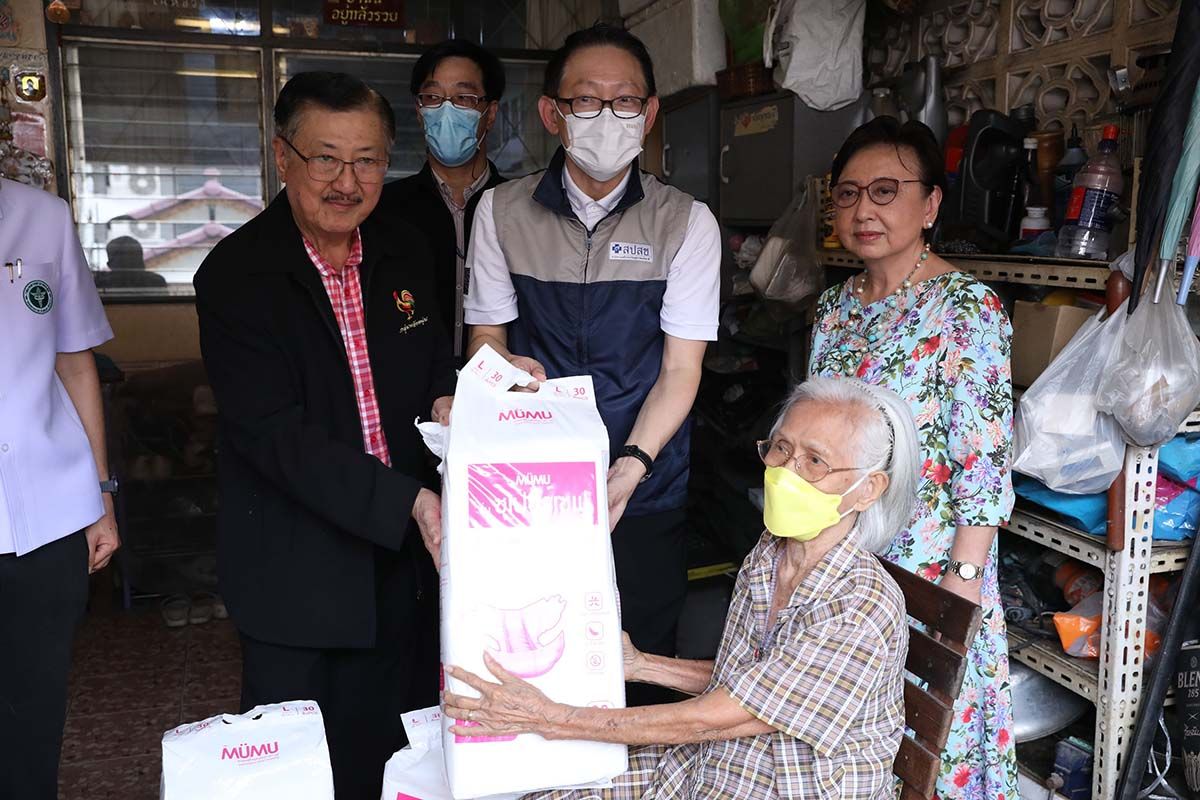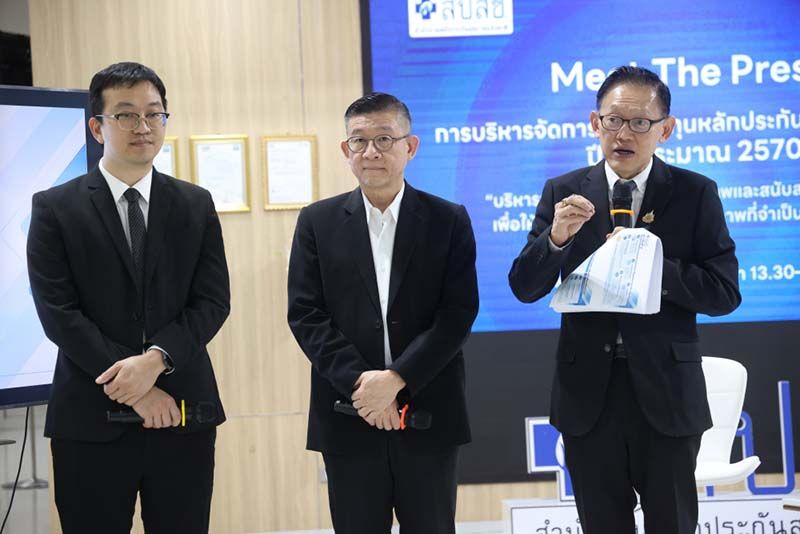




A caregiver working with Tha Khlong Town Municipality in Pathum Thani has described how trained community caregivers, working under individualized care plans with multidisciplinary teams, can improve the physical and emotional well-being of people with dependency while easing the burden on their families. She also called for the employment program to continue and for caregiver compensation and travel support to be reviewed.
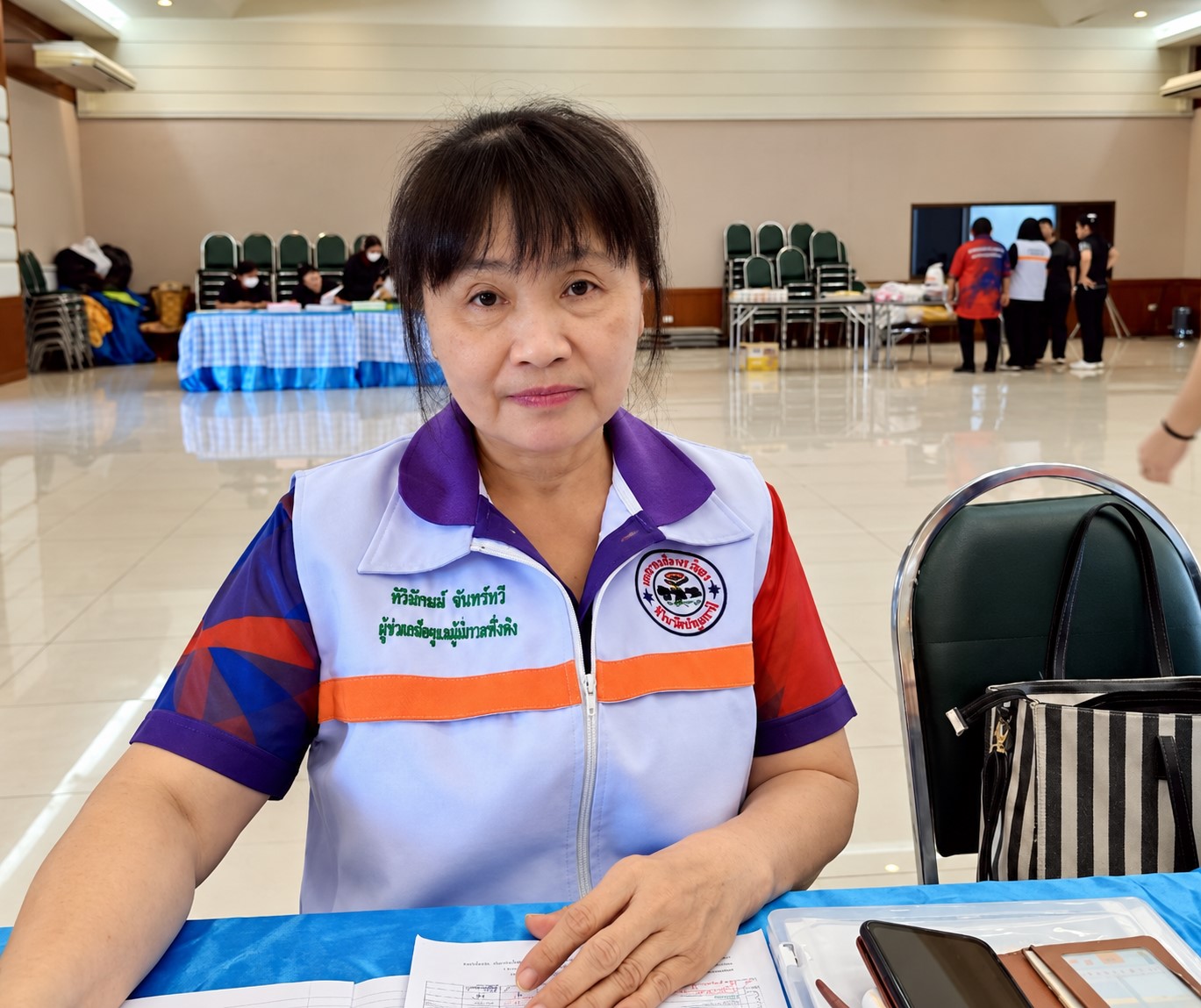
Ms. Sirilak Chanthawee, a caregiver for people with dependency under Tha Khlong Town Municipality in Khlong Luang District, Pathum Thani Province, said she first learned about caregiver training through an announcement on the municipality’s Facebook page. She was encouraged to enroll in a 70-hour course, which equipped her with practical knowledge on caring for people with dependency and enabled her to exchange experiences with 20 other trainees, although no employment was available at the time.
After completing the training in September 2025, she was informed that the municipality was recruiting caregivers under a government program to stimulate the grassroots economy and decided to join. Tha Khlong Town Municipality currently employs 20 trained caregivers. Each caregiver is responsible for approximately four people with dependency, while more than 200 people in the municipality require such care.
Ms. Sirilak said each person receives support under an individualized care plan developed by healthcare professionals and the municipality’s public health division. The team assesses the person’s condition and determines the most appropriate care, particularly for those who cannot care for themselves or do not have relatives available to assist them closely.
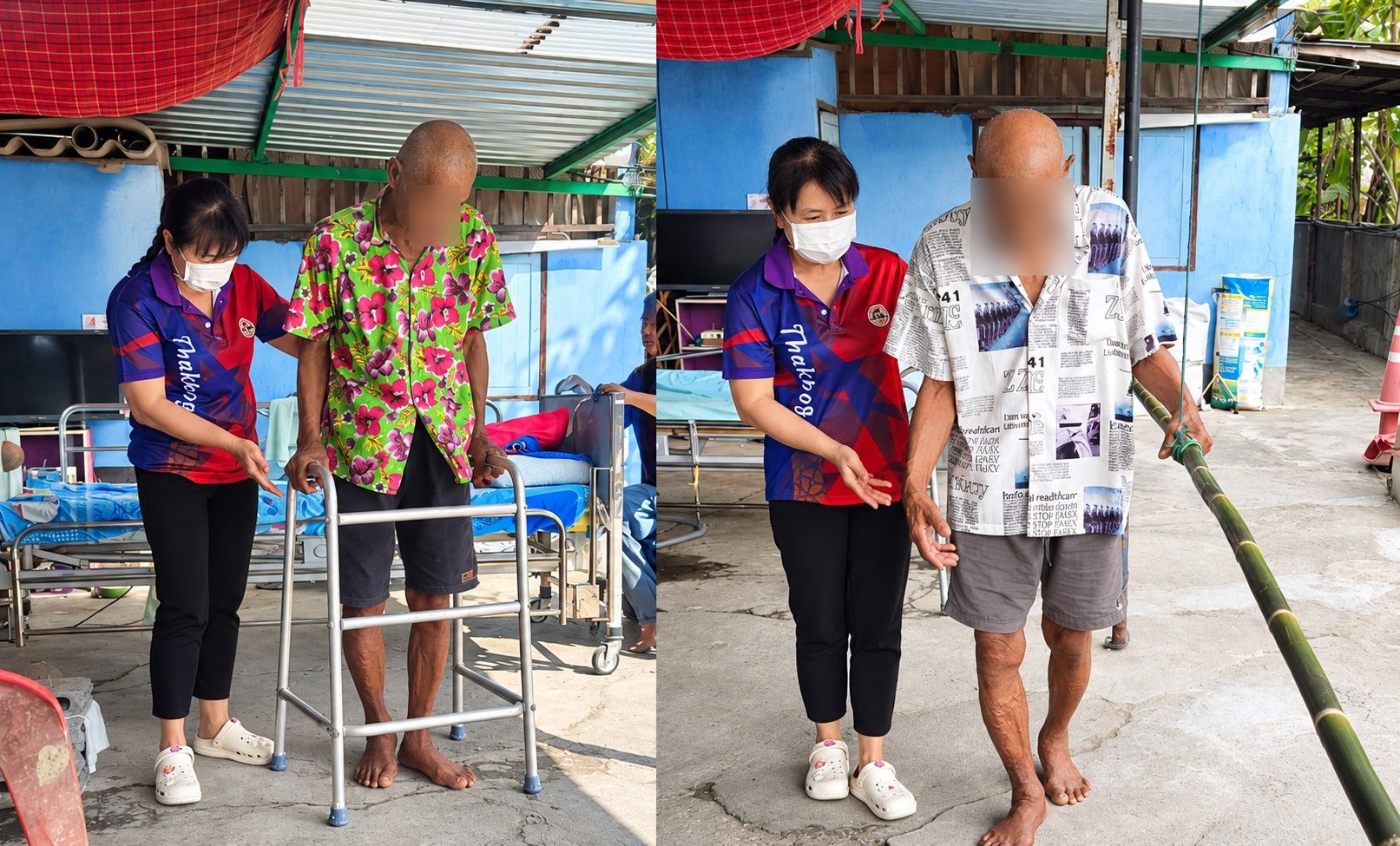
Caregivers and families may need time to adjust to one another at first, she said, but regular visits gradually build familiarity and trust. The municipality supplies essential rehabilitation equipment, including beds, walkers and walking sticks. Where equipment is unavailable, caregivers and families adapt materials at hand—for example, by building parallel walking rails from bamboo and securing them to posts around the home.
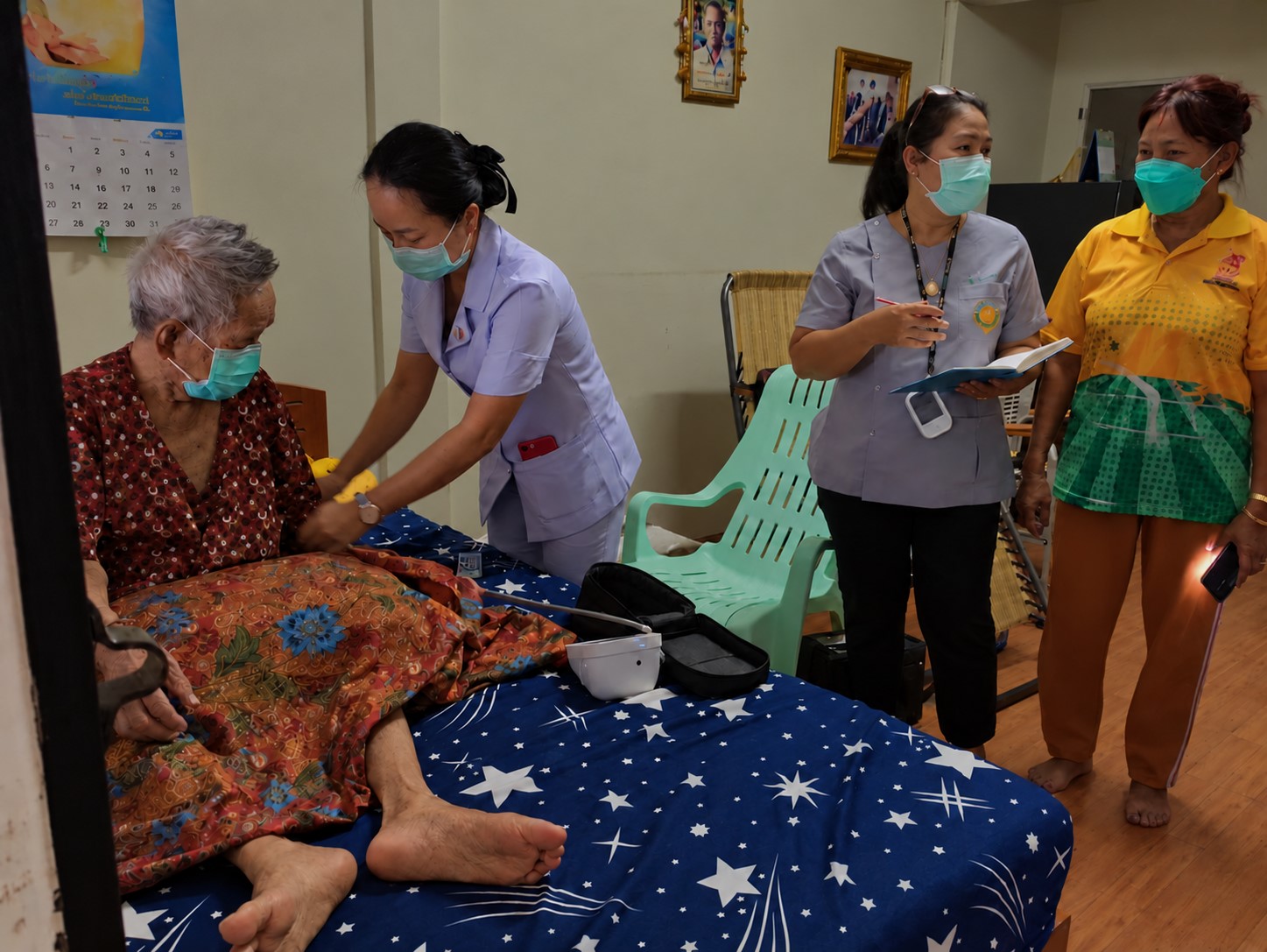
“Our work is not limited to physical care. We also provide companionship and encouragement to older people. Some call us if we arrive late because they feel lonely and want someone to talk to. Their families also feel more confident knowing that someone is helping with the care, allowing them to go to work or attend to other essential responsibilities,” Ms. Sirilak said.
She recalled one case that made her particularly proud: a 70-year-old man who became bedridden after falling from a tree.
“We cared for him together with a multidisciplinary team and a physical therapist, providing regular rehabilitation and muscle-strengthening exercises. As he became stronger, we built wooden rails for him to practise walking. After 54 days, he could walk again and return to his normal life,” she said.
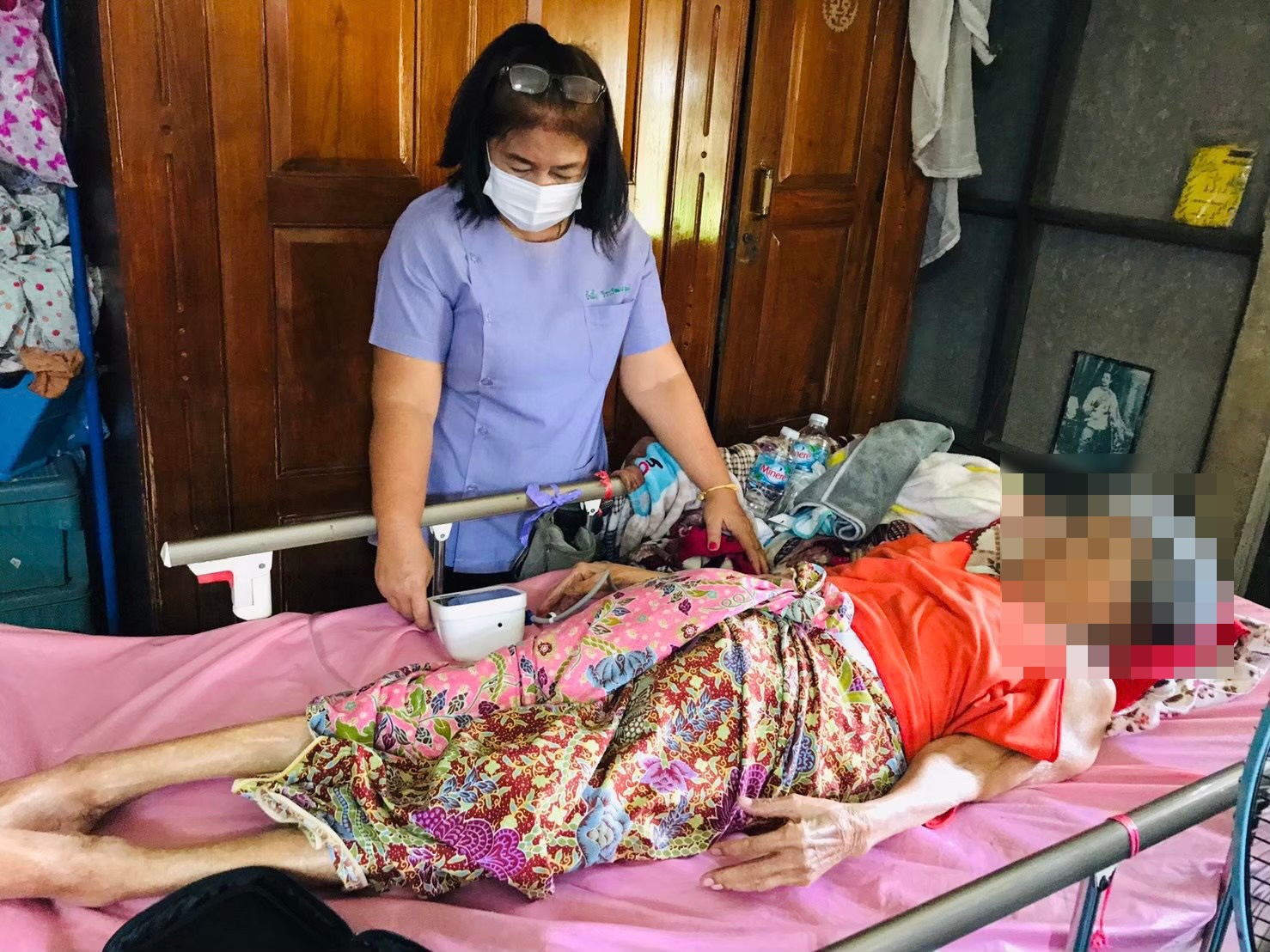
Ms. Sirilak said the monthly compensation of 5,000 baht remains relatively low for caregivers who have family responsibilities and regular expenses. She would like the program to continue, with consideration given to higher compensation or travel allowances so caregivers can provide stable, long-term support to people in their communities.
Ms. Namphueng Weerawatthanaphong, a village health volunteer in Bueng Kham Phroi Subdistrict, Lam Luk Ka District, Pathum Thani Province, said she had previously worked as a caregiver but left the program because of difficulties travelling to care for patients in other communities. She nevertheless continues to support older people with dependency in her own community as a volunteer, without compensation, because they are long-time neighbors who have helped one another over the years.
She began caring for older people in her community in 2018 and currently assists three people. Many family members leave home for work early in the morning and return in the evening, leaving them with limited time to care for relatives at home, she said. The support provided by caregivers and village health volunteers therefore helps older people receive continuous care while enabling their families to continue working and managing their daily lives.
////////////////////////////