


NHSO and Ministry of Public Health align budget management to ensure continuous access to essential health services
The National Health Security Office (NHSO) has outlined its direction for managing the National Health Security Fund in fiscal year 2027, with a total budget of more than THB 289 billion. The plan emphasizes efficient, cost-effective, equitable and transparent fund management. Working with the Ministry of Public Health and healthcare providers, the NHSO will strengthen budget and inpatient-service management, refine payment and local monitoring mechanisms, enhance audits through data and artificial intelligence, invest in disease prevention, and develop new health benefits. The aim is to support healthcare providers and ensure that people can continuously access essential health services.
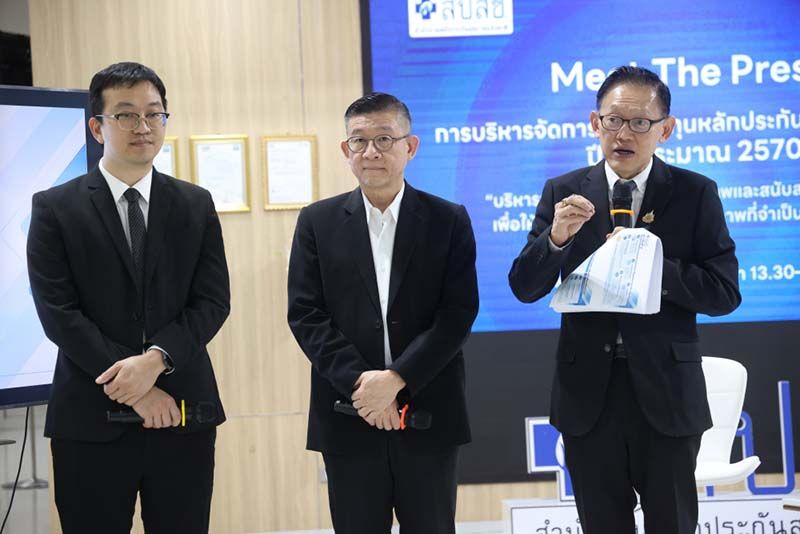
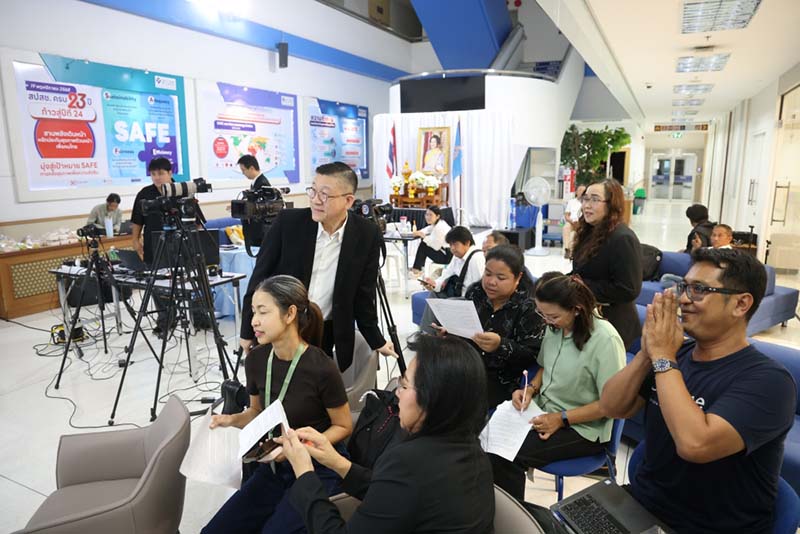
On 14 October 2026, the NHSO held its first NHSO Meet the Press event under the theme "Management of the National Health Security Fund Budget for Fiscal Year 2027." The event focused on efficient fund management, support for healthcare providers, and continuous public access to essential health services.
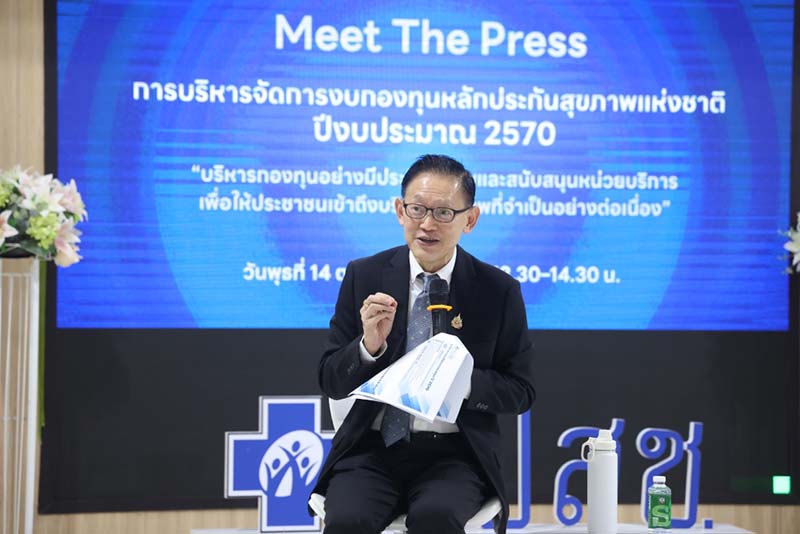
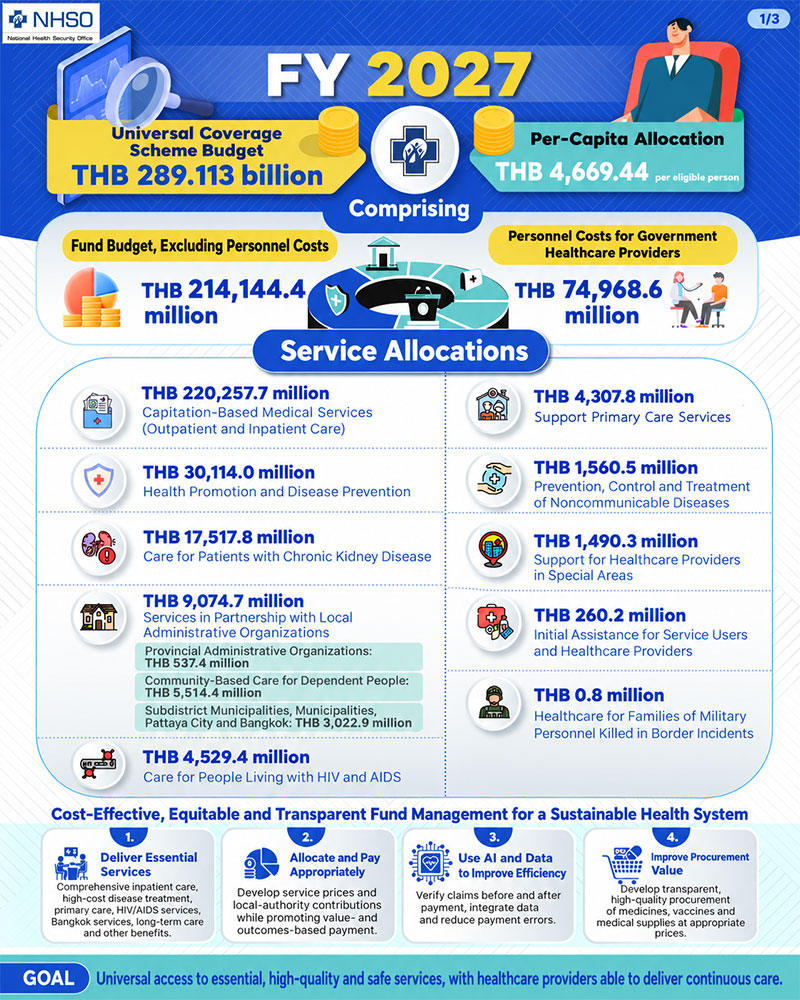
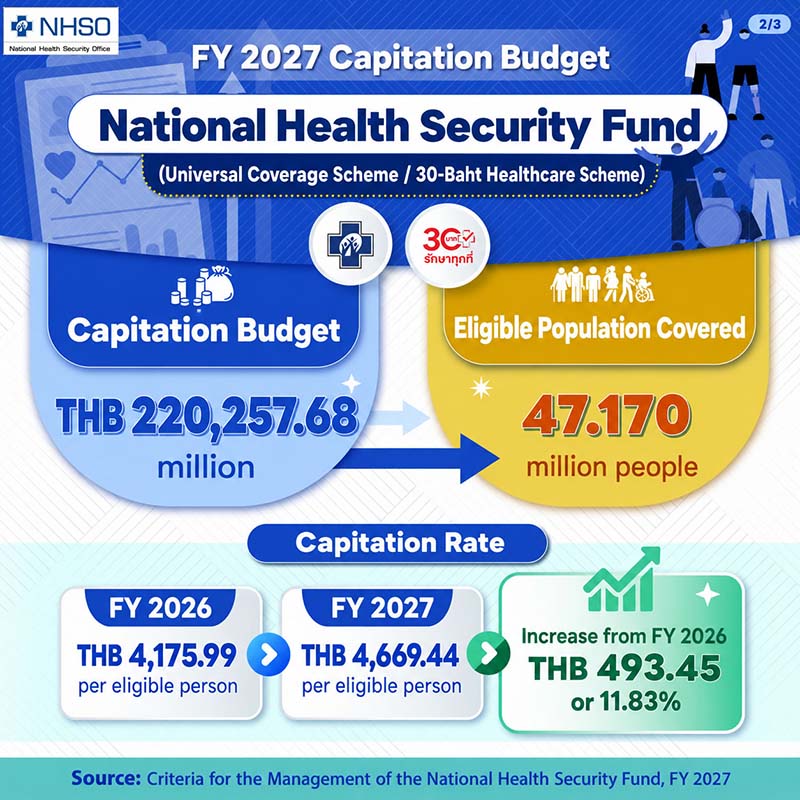
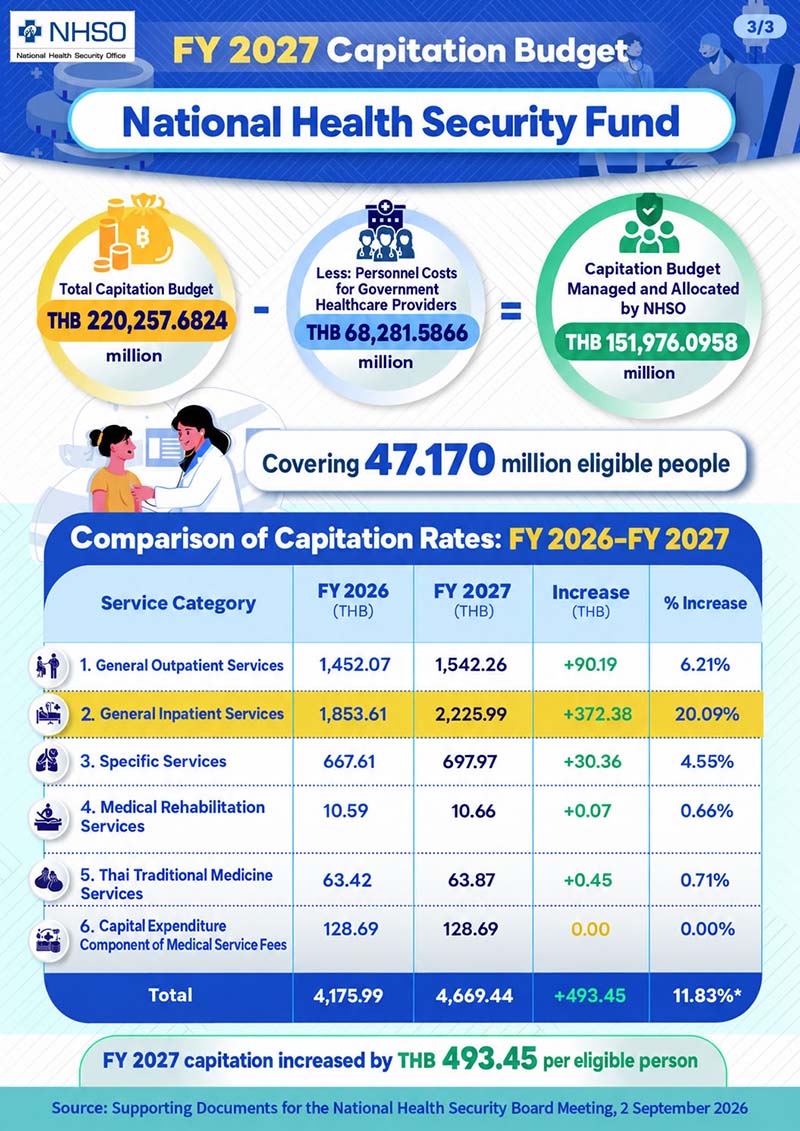
Dr. Jadej Thammatacharee, Secretary-General of the NHSO, said the National Health Security Fund has a total budget of THB 289,113.05 million for fiscal year 2027. This includes THB 74,968.64 million in personnel costs for government healthcare providers. Excluding personnel costs, the fund budget totals THB 214,144.41 million. The capitation rate is THB 4,669.44 per beneficiary for approximately 47.17 million Universal Coverage Scheme beneficiaries.
A key priority for fiscal year 2027 is to manage the approved budget so that it remains sufficient and delivers the greatest possible benefit. Fund management will take into account equity, service quality and outcomes, participation, and administrative efficiency. The NHSO will apply value-for-money principles covering economy, efficiency, effectiveness and equity. It will also strengthen oversight through the Three Lines of Defense model to ensure that fund expenditure is transparent and auditable.
"The central principle is that fund resources must appropriately support essential services and enable healthcare providers to care for people continuously. Budget limitations must not affect access to essential services. Fund management in fiscal year 2027 must therefore address fund efficiency, service-system readiness and public access to care at the same time," Dr. Jadej said.

Dr. Jadej said another priority is closer cooperation among the NHSO, the Ministry of Public Health and healthcare providers, particularly in setting service targets, determining payment methods, and aligning monitoring with the service workload in each area.
At a meeting on 7 October 2026, the National Health Security Board, chaired by Public Health Minister Pattana Promphat, approved the approach for managing the fiscal year 2027 inpatient-services budget. The target was set at 10.5 million Sum AdjRW, with a payment rate of THB 10,000 per adjusted relative weight (AdjRW), to better reflect costs, local service delivery and patient referrals. The Board also instructed the NHSO to work with the Ministry of Public Health and relevant agencies to develop detailed management and monitoring arrangements.
The approach will use previous service-performance data to establish targets for each health region and province. Hospitals within each area will be encouraged to jointly manage services and budgets, reduce duplication, keep service volumes within agreed targets, and avoid unnecessary referrals outside the area. Service performance, expenditure and quality will be monitored together.
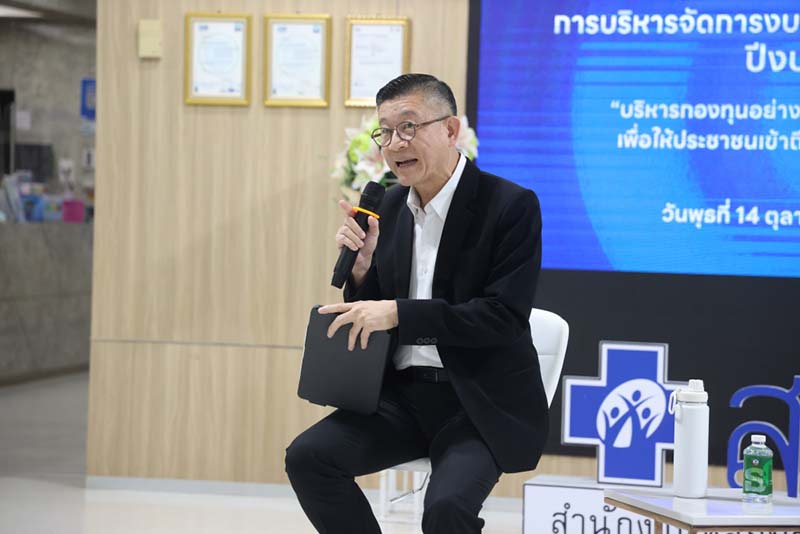
Dr. Athaporn Limpanyalers, Deputy Secretary-General of the NHSO, said fund management in fiscal year 2027 will cover outpatient services, inpatient services, health promotion and disease prevention, and specific services. The NHSO and the Ministry of Public Health will jointly determine inpatient-budget arrangements, including performance targets, payment methods and local monitoring, so that healthcare providers receive appropriate support. If efficient management results in a remaining balance, the funds will be considered for allocation to Ministry of Public Health healthcare providers under jointly agreed guidelines.
The fiscal year 2027 budget for health promotion and disease prevention is THB 30,113.958 million. It is available to all Thai citizens and covers health promotion, disease prevention, screening and essential proactive services. The focus is on preventing illness, reducing disease severity, and expanding access to services close to home and within communities.
The NHSO is also developing mechanisms to support healthcare-provider liquidity. Discussions are under way on piloting advance payments in two health regions. The Board has also approved an advance transfer of 25% of the fiscal year 2027 outpatient-services and health promotion and disease prevention budgets to designated groups of healthcare providers while revenue adjustments are pending. The measure is intended to maintain liquidity and enable uninterrupted service delivery.
Dr. Athaporn said fiscal year 2027 will also focus on improving spending and audit efficiency. Measures include pre-payment and post-payment audits, linking service data with reimbursement information, introducing AI Audit to support verification, and strengthening oversight of high-cost services. Budget controls will be implemented alongside monitoring of service quality and access, so that managing service volumes does not lead to patients being denied care or experiencing treatment delays.
For the public, approximately THB 1,348.97 million has been allocated for new benefits and services in fiscal year 2027. These include pneumococcal conjugate vaccine (PCV) for young children; transcatheter aortic valve implantation (TAVI); advanced and innovative medical services such as MR Linac and 3D printing; liver transplantation for acute liver failure; lung and heart-lung transplantation; expanded proactive tuberculosis management in communities; and treatment for latent tuberculosis infection.
"Managing the fund in fiscal year 2027 is therefore not simply about setting budgets or payment rates. It involves establishing an integrated system for allocation, payment, monitoring and audit, while supporting healthcare providers, investing in disease prevention and developing health benefits. Every part of the fund must contribute to the same goal: ensuring that people receive essential, high-quality and continuous health services," Dr. Athaporn said.
///////////////////////////////////////////