


Ban Buriram Social Welfare Development Center for Older Persons in northeastern Thailand is showcasing how coordination among health, social welfare and local government agencies can support vulnerable older people, while staffing, resources and funding remain challenges.
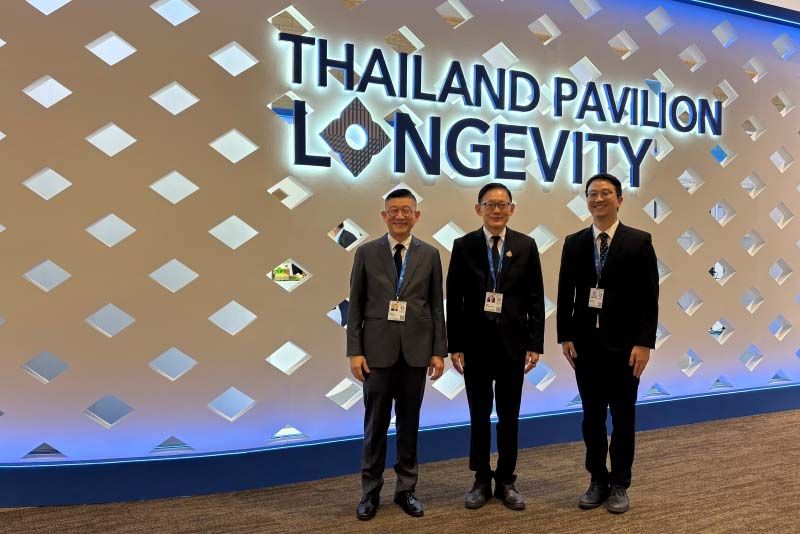
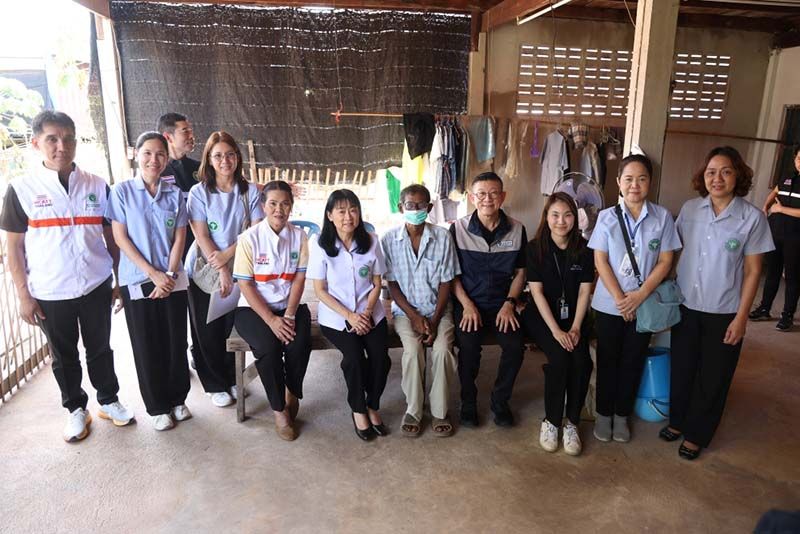
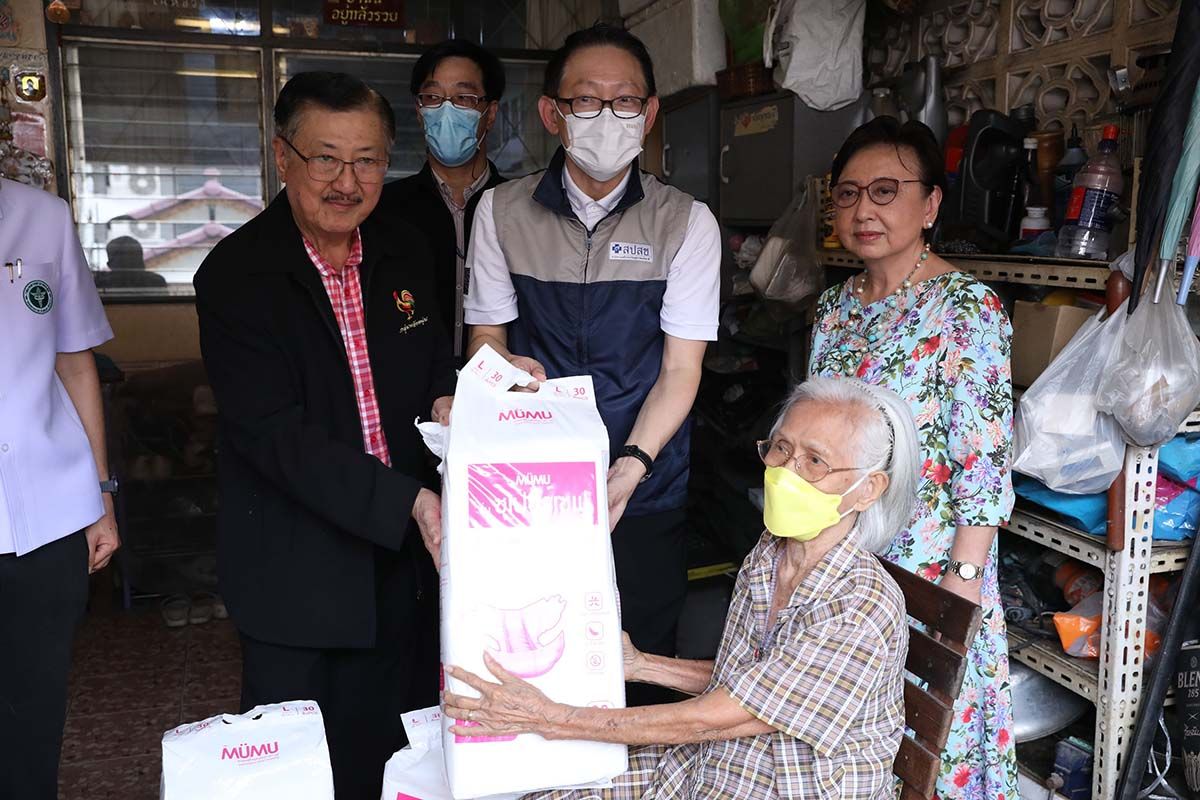
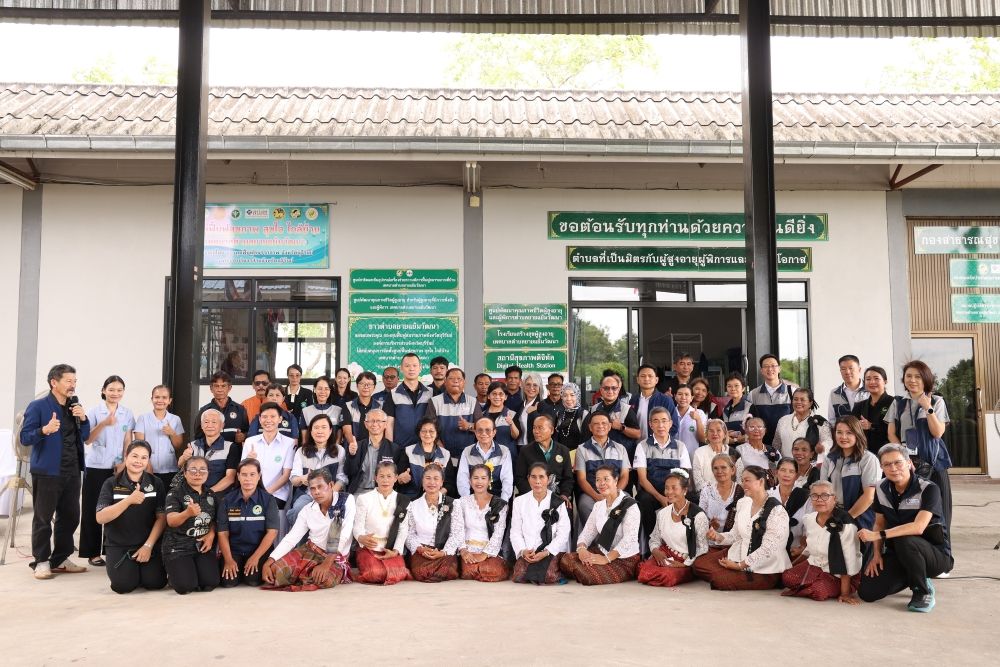
Clinical Professor Dr. Suphan Srithamma, chairman of the Committee on Quality and Standards Control of Public Health Services under the National Health Security Office (NHSO), and staff from the NHSO Region 9 Office visited the center in Buriram province on August 4 to assess service standards and access to care.
The team also gathered feedback on challenges affecting service delivery and potential improvements to the care system.
The Ban Buriram Social Welfare Development Center for Older Persons, which operates under the Ministry of Social Development and Human Security, serves people aged 60 and above who are Thai nationals and face social difficulties, including poverty, homelessness, lack of caregivers, abandonment or an inability to live safely in their communities.
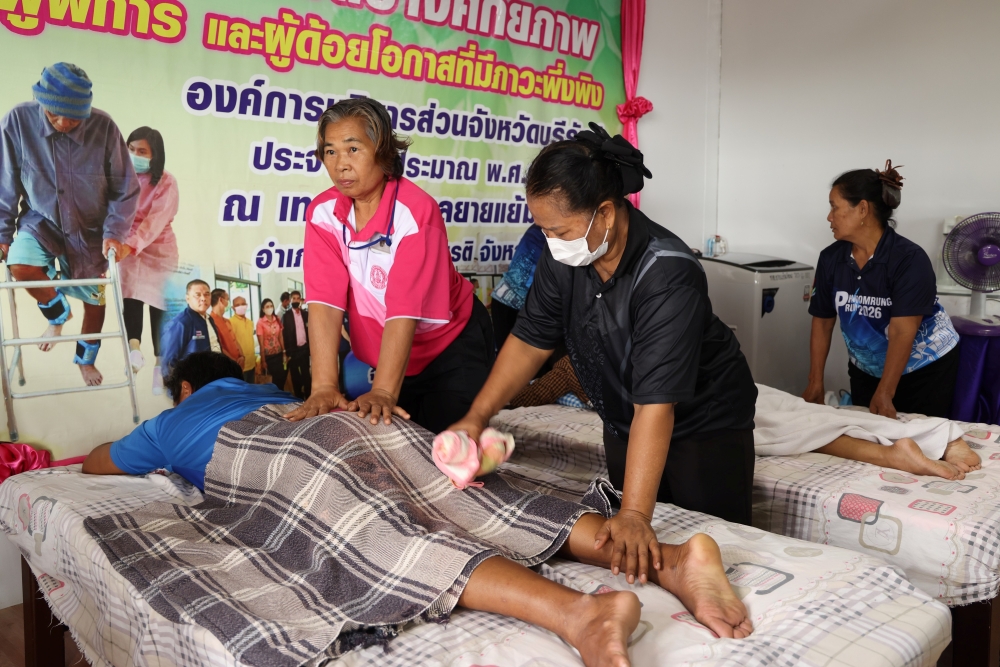
It serves 10 provinces in northeastern Thailand and currently provides care for 100 older people with support from 36 staff members.
The center is registered with the NHSO as a specialized referral service unit under Section 3, in the category of hospice and palliative care facilities. Registration with the NHSO allows the center to receive funding to provide services to beneficiaries of Thailand’s Universal Coverage Scheme (UCS), one of the country’s three tax-funded health insurance schemes, which covers about 47 million people.
Ban Buriram center has met service standards and established cooperation among Buriram Hospital, the Ministry of Social Development and Human Security, the Ministry of Public Health, the NHSO and local administrative organizations to ensure quality and seamless care.
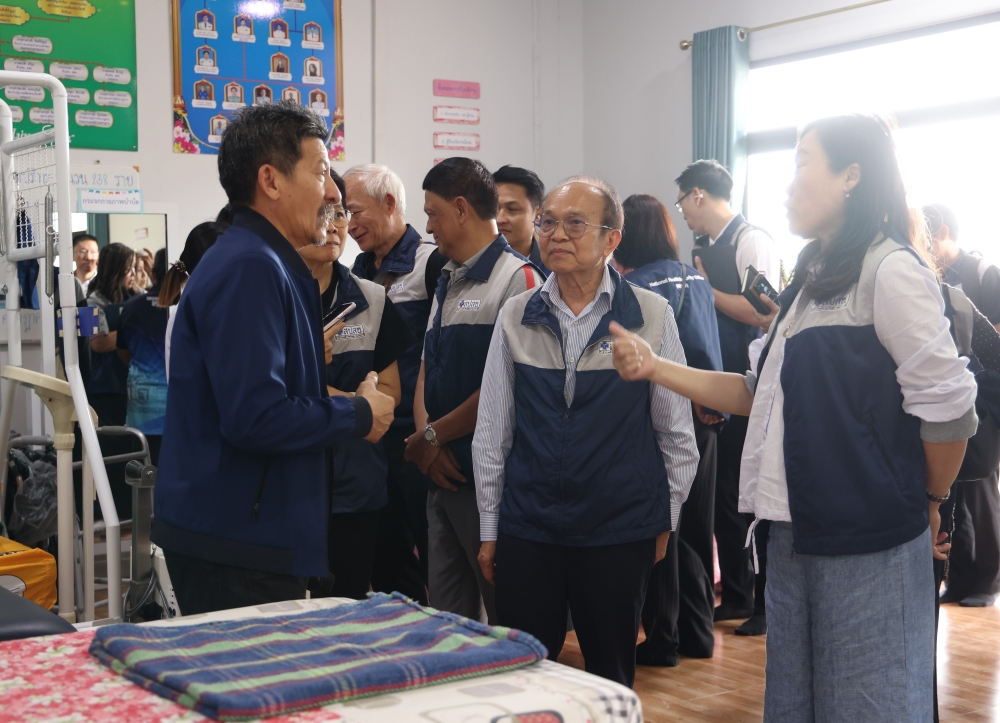
“The strength of the center is its ability to connect different sectors and establish a comprehensive system of care for older persons covering both health and social dimensions. It can serve as a model that other areas can adapt,” Dr. Suphan said.
The center’s director, Charoensri Wongksom, explained the service provision process. Before receiving services, people are assessed by a multidisciplinary team from Buriram Hospital. The assessment covers their ability to perform activities of daily living (ADL), physical and mental health, nutritional status, family circumstances and available caregiving networks. The information is used to develop an assistance plan tailored to each person.
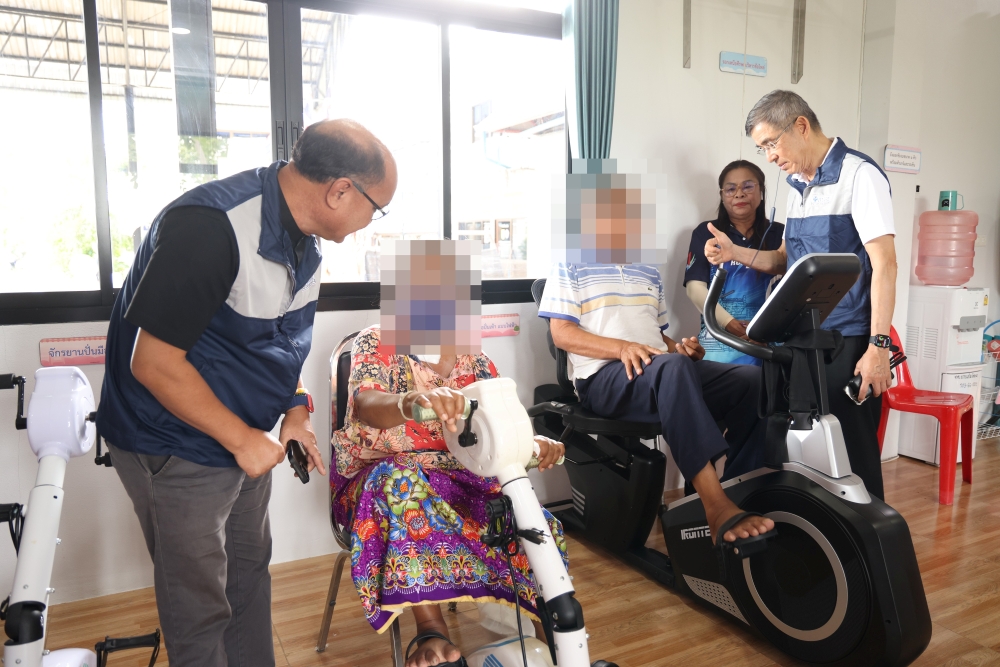
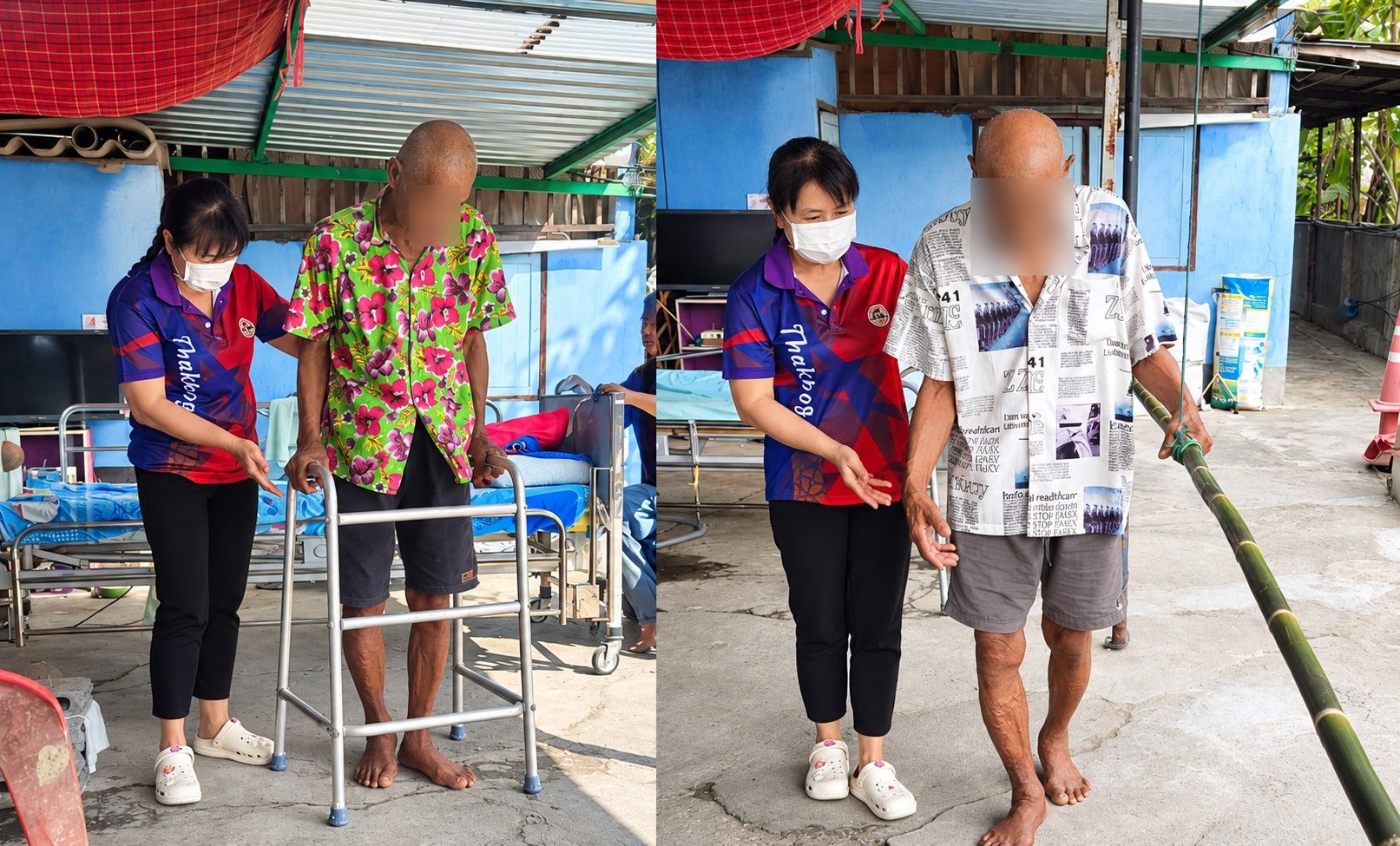
Once admitted, older people receive an individualized Social Care Plan and 24-hour care. Services include nursing, rehabilitation, physical therapy, mental health promotion and recreational activities, as well as access to medical consultations and referral services.
The center also helps coordinate access to social welfare benefits and prepares older people for a return to their families and communities. Follow-up is provided after discharge.
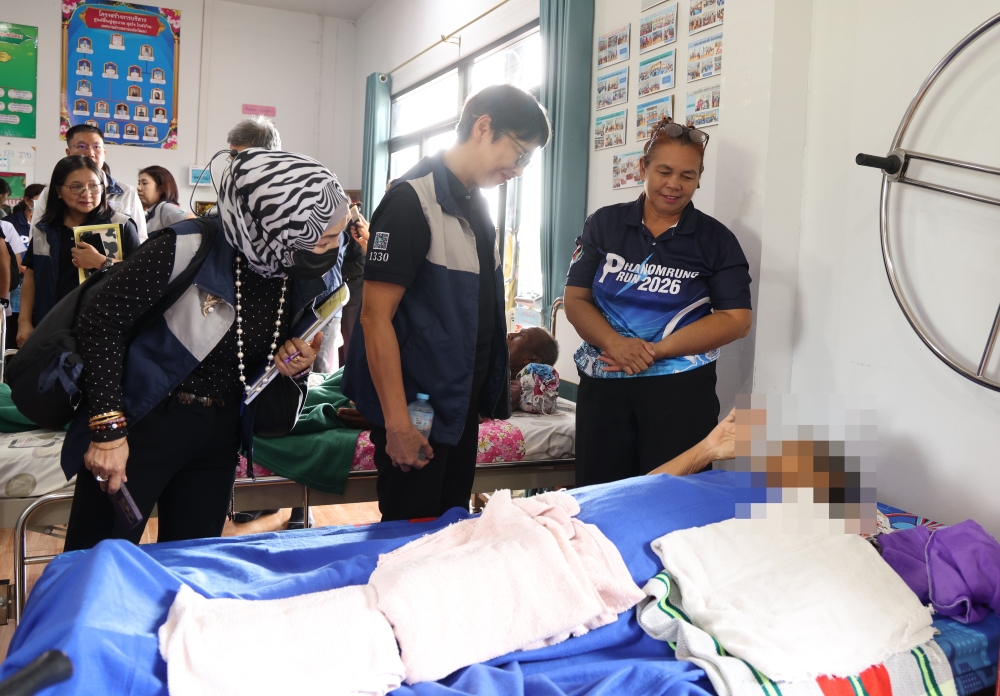
The model brings health services together with social and community support, an approach that is particularly relevant for older people with complex needs, for whom medical treatment alone may not be sufficient to support safe and sustainable living.
Charoensri said that despite successfully providing affordable palliative and hospice care, the center faces constraints in facilities, staffing and other resources.
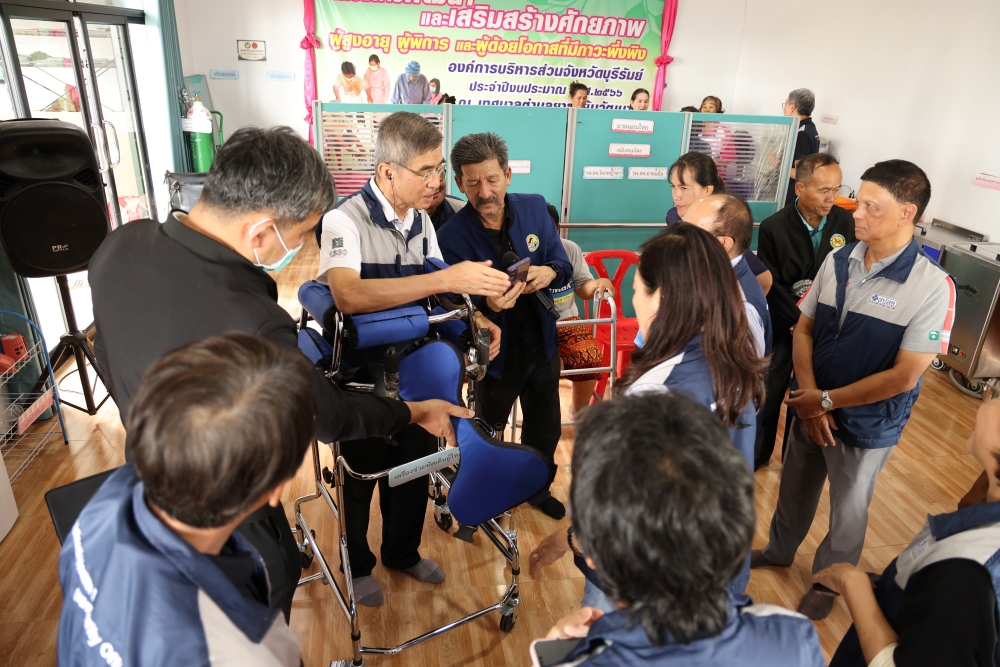
She identified shortages of nurses, physical therapists, social workers and caregivers for people with dependency needs as particular challenges. Most people receiving services also have multiple chronic diseases and require close monitoring and care, increasing the cost of providing services.
“NHSO funding is important for the treatment, rehabilitation and care of older people, but the reimbursement criteria and procedures should be adjusted to make them more flexible and better reflect local responsibilities and challenges,” she said, adding that funding should be allocated on time to allow the center to plan and provide continuous care.
Dr. Suphan said further work should focus on integrating budgets and adjusting support mechanisms so that older people can receive quality services continuously and the system can operate sustainably.
The NHSO has partnered with 11 hospice and palliative care facility centers nationwide. Each receives NHSO funding of 10,442 baht per person for target groups registered in the system. The centers can also draw on local or area-level health security funds to support equipment needed to care for older people.