


The National Health Security Office (NHSO) plans to engage with mosques, Islamic schools and religious leaders to help people who use drugs access treatment and community-based rehabilitation.
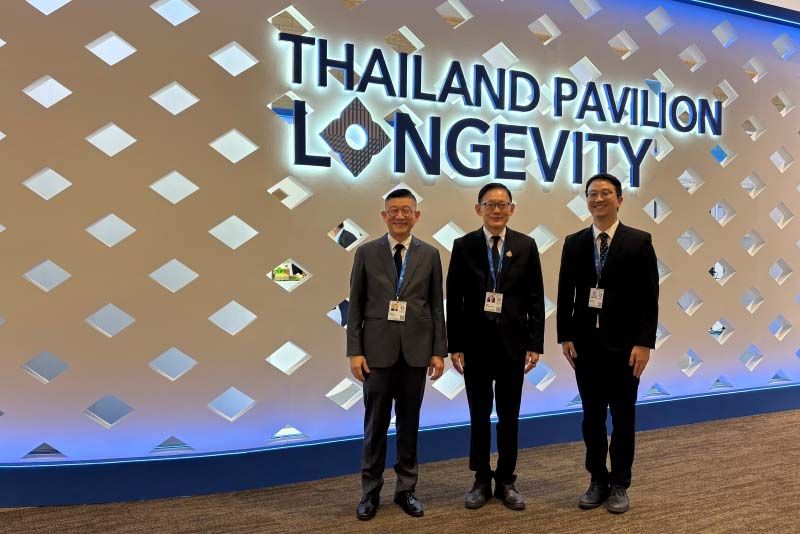
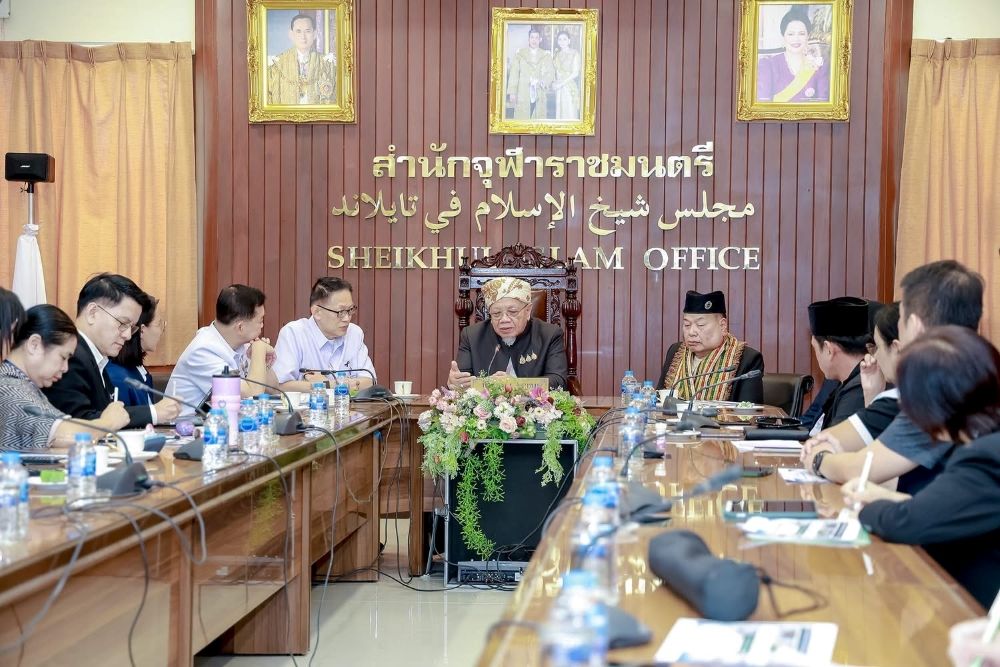
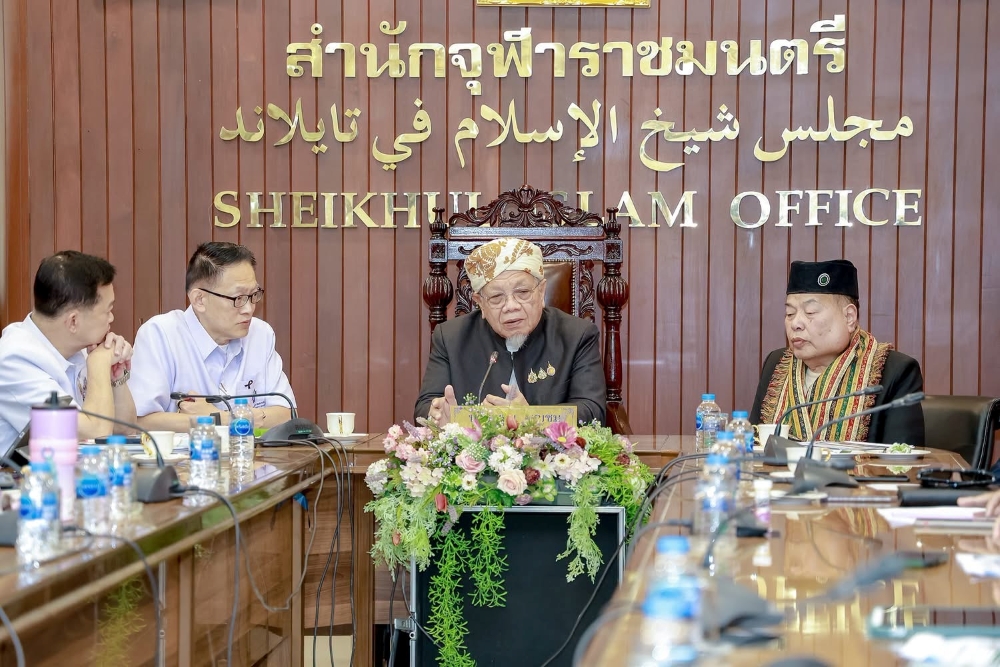
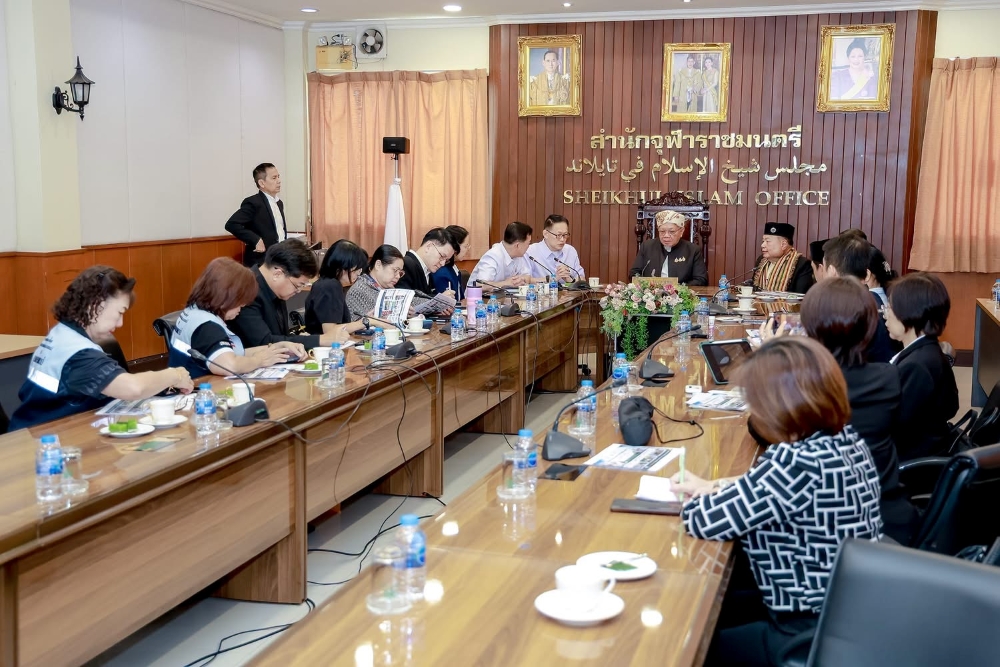
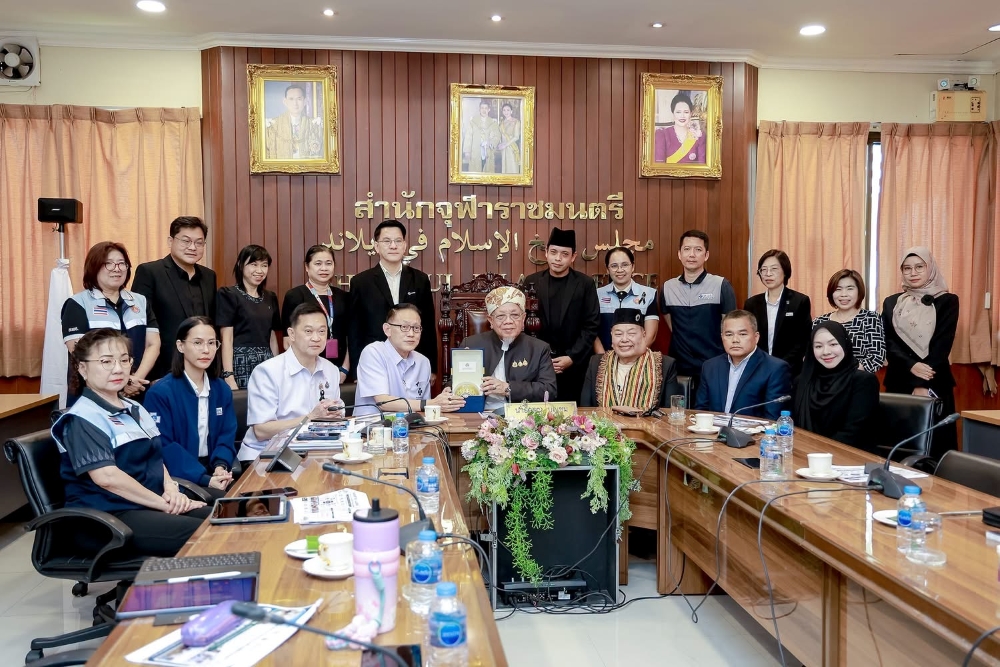
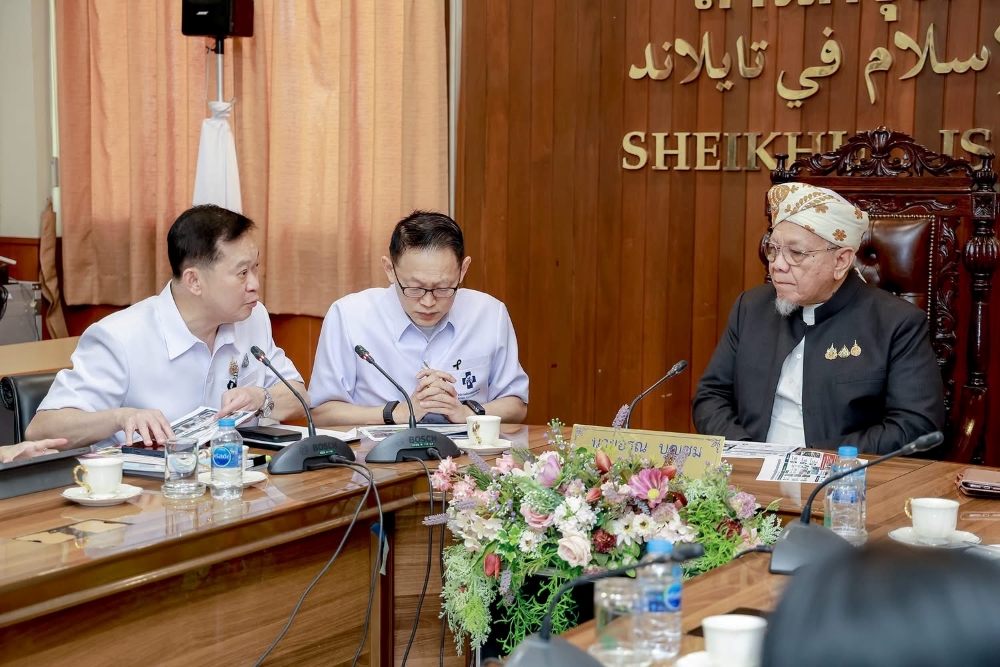
Representatives of the NHSO, the Princess Mother National Institute on Drug Abuse Treatment (PMNIDAT) and the Office of the Narcotics Control Board met with Thailand’s Sheikhul Islam on August 3 to discuss cooperation with religious leaders, mosques and pondok Islamic schools nationwide.
“Caring for people who use drugs cannot rely solely on healthcare facilities. It requires the support of families, religious leaders and communities,” Dr. Jadej Thamthatcharee, NHSO secretary-general, said.
“Our meeting with the Sheikhul Islam was therefore aimed at seeking advice and cooperation in communicating with mosques and pondok institutions nationwide about the role of religion and communities in helping people who want to start their lives anew, as well as supporting organizations that are ready to provide services according to established standards.”
The initiative comes as Thailand faces continued pressure from synthetic drugs.
In the first eight months of fiscal year 2026, from October 2025 to May, the Royal Thai Police reported that authorities had seized 997 million methamphetamine tablets, up 50% from 664 million tablets during the same period a year earlier.
They also seized more than 39 tons of crystal methamphetamine, up 10% year on year, along with 273,219 ecstasy tablets and 5 tons of ketamine. As drug use and arrests rise, Thai government has seeking to shift the response toward treatment and rehabilitation.
PMNIDAT said Thailand has an estimated 1.9 million people who use drugs, based on data from the past year. About 80% are men and 20% are women, with more than half between the ages of 26 and 50, the country’s working-age population.
Only 10% of those who use drugs, have accessed treatment and rehabilitation services. The figures suggest that relying solely on hospitals and treatment centers may not be enough to reach people who need care.
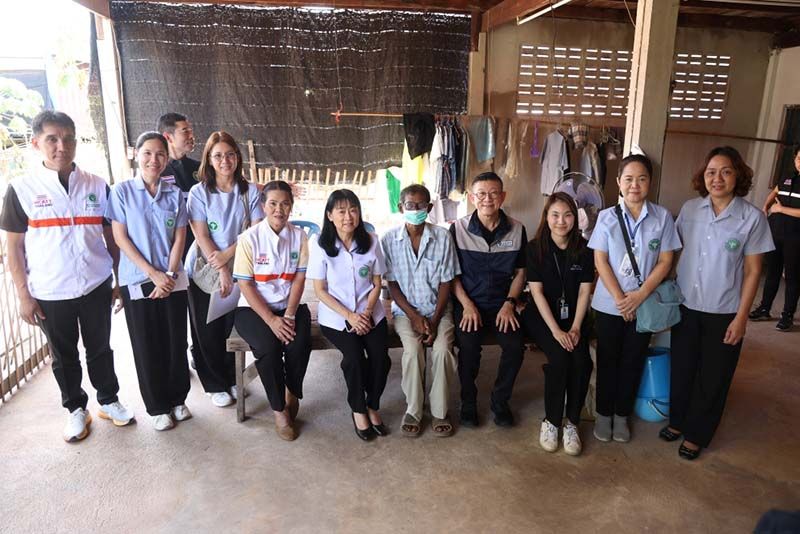
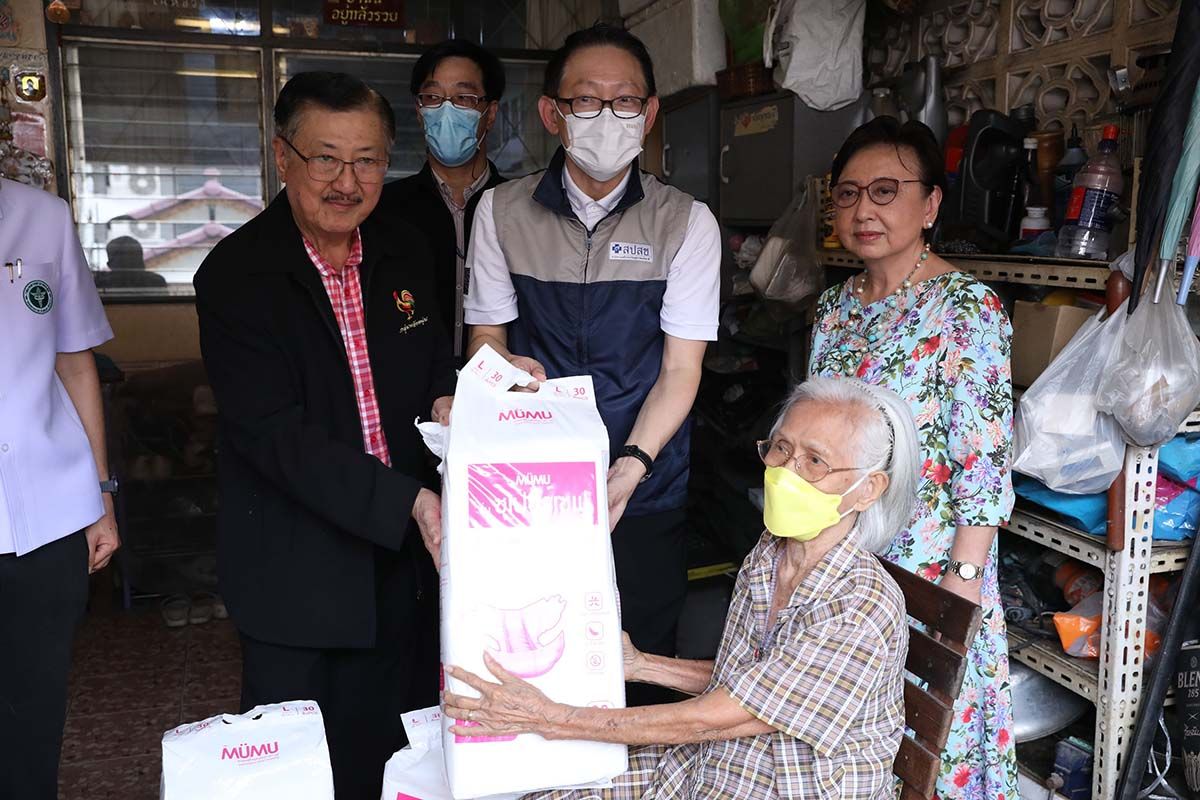
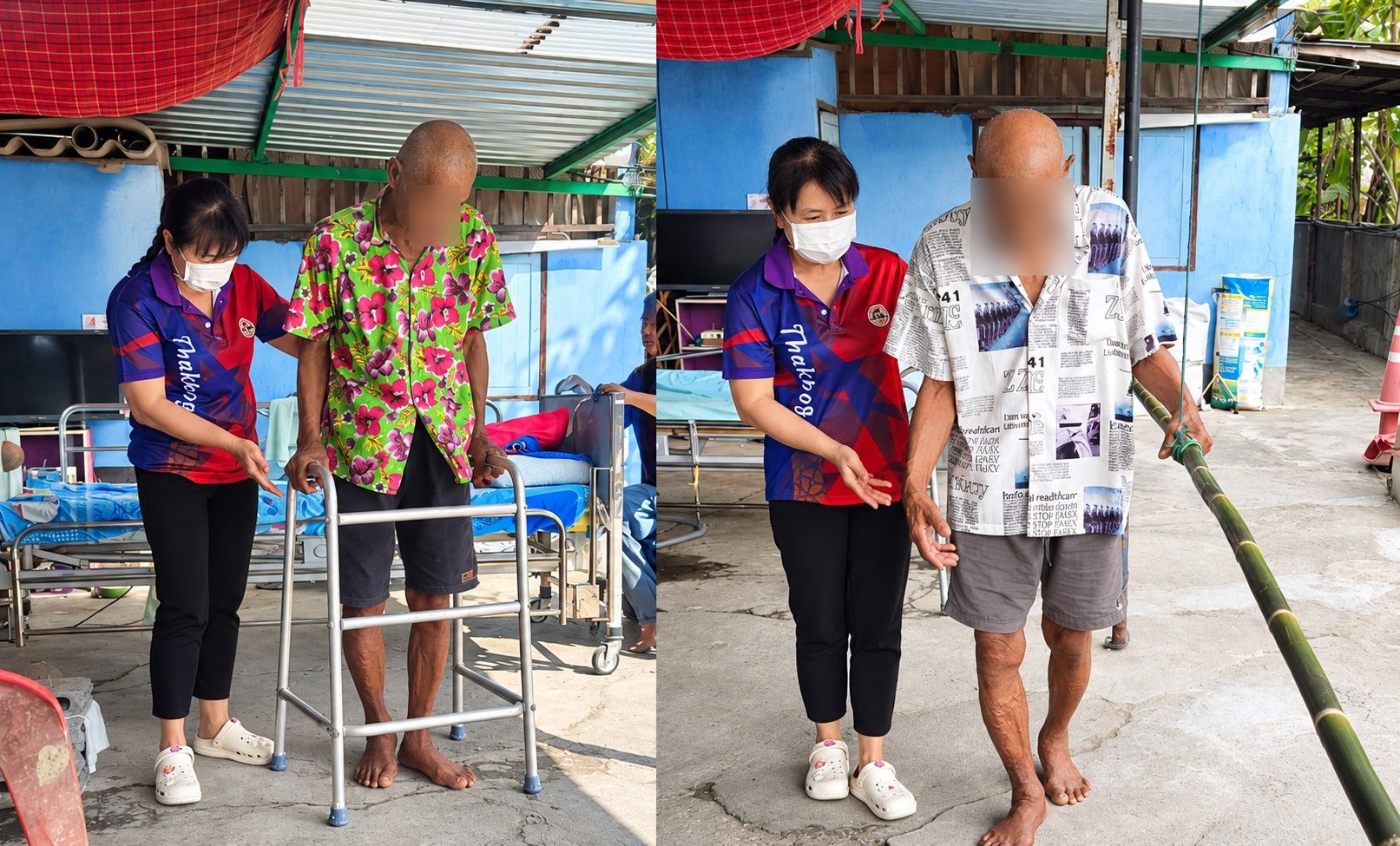
Against this backdrop, the NHSO is promoting a model that brings care closer to where people live.
The NHSO is encouraging Islamic religious organizations, associations, foundations and pondok institutions that are ready to register as service units under Section 3, particularly specialized referral units providing services for people who use drugs. Such organizations could receive budgetary support according to established criteria and connect their work with local or area-based health security funds.
The proposed approach would involve religious leaders, families, volunteers and health networks in identifying and screening people who use drugs, providing counselling, referring them for treatment and rehabilitation, and following up after treatment.
This model could be adapted from the “CBTx Tha It Community” model in Nonthaburi province to suit local contexts, ways of life and beliefs, said Dr. Jadej. The approach illustrates how universal coverage can extend beyond financial protection and hospital access to include trusted community institutions.
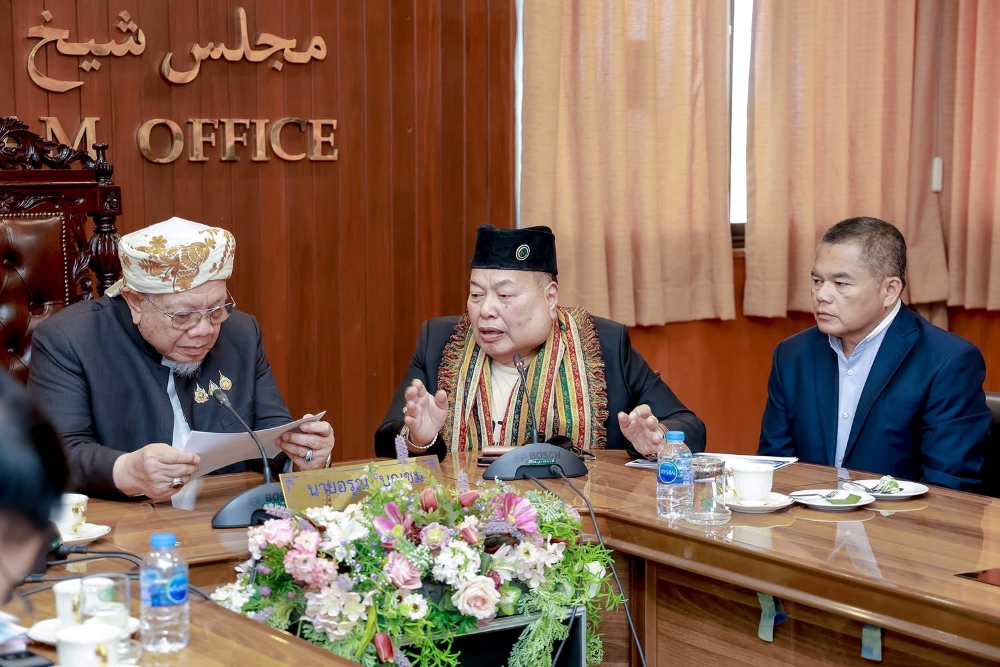
Dr. Sarayut Boonchaipanichwattana, director of PMNIDAT, said the Sheikhul Islam had advised incorporating religious teachings into rehabilitation while treating people who use drugs as members of the community rather than excluding or stigmatizing them.
“The transition from treatment facilities back into the community is important,” Dr. Sarayut said. He added that opportunities to help at mosques or temples or participate in community activities could serve as a bridge back into the community and demonstrate that people who have completed treatment can contribute to society.
///////////////////////////