



A Long-Term Care (LTC) fund is helping local governments in Thailand’s eastern province of Prachin Buri provide care for older people and others who need ongoing assistance, bringing services closer to where they live.
With financial support from the fund, the Dong Phra Ram Subdistrict Administrative Organization (SAO) operates a long-term care system that provides regular home-based support for people with dependency.
The program also draws on a network of local government officials, community leaders, caregivers and health workers to provide care based on each person’s needs.
The approach is part of Thailand’s broader effort to respond to an ageing population and the growing need for long-term support for people who have difficulty carrying out daily activities independently.
The LTC fund operates under the country’s Universal Coverage Scheme (UCS), commonly known as the 30-baht healthcare scheme, with funding managed by the National Health Security Office (NHSO).
The UCS comprises a capitation budget and separate health funds designed for specific purposes. Among them is the LTC fund, through which local governments can propose health projects to the NHSO to address health challenges at the community level.
In Dong Phra Ram, the fund is being used to support people with dependency who require continued assistance rather than only episodic treatment at health facilities.
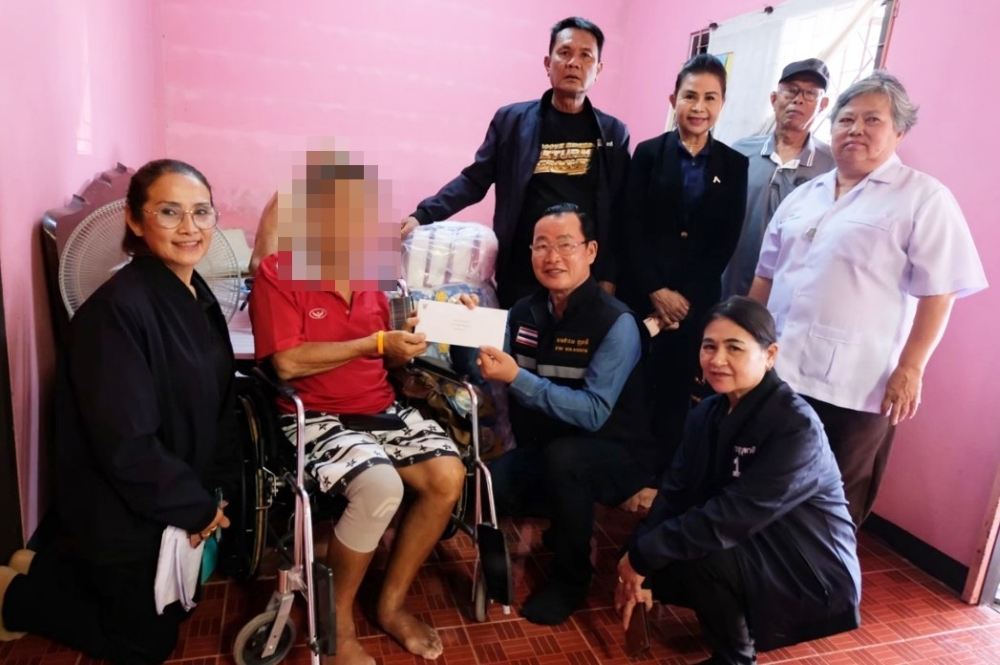
Samruay Subutdee, mayor of Dong Phra Ram SAO, explained that his office is responsible for an area of about 189 square kilometers, covering 18 villages in Dong Phra Ram and Bang Boriboon subdistricts. The area has 15,821 residents, including 2,153 older people and 393 people with disabilities.
Some older people and other vulnerable residents have chronic illnesses or are homebound or bedridden, requiring regular assistance and monitoring. The SAO therefore established a public health service project for older people and people with dependency, using LTC funding to provide services at home according to individual care plans.
Samruay said support from the NHSO through the LTC system allows the SAO to establish a continuous care system while reducing pressure on its own budget.
This enables the local authority to allocate resources to other public services, including infrastructure, education and efforts to improve residents’ quality of life.
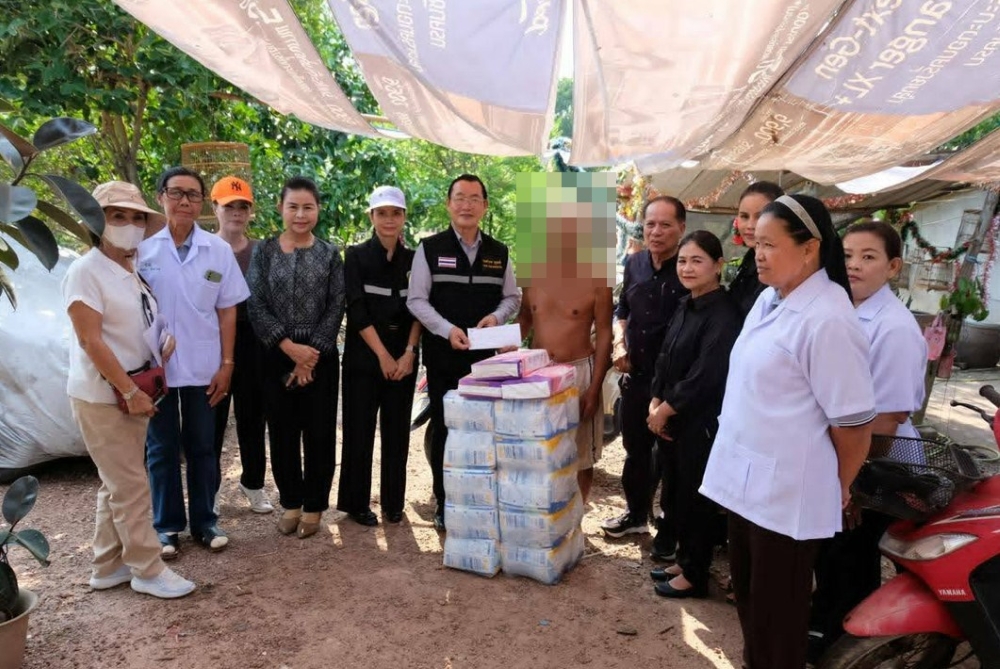
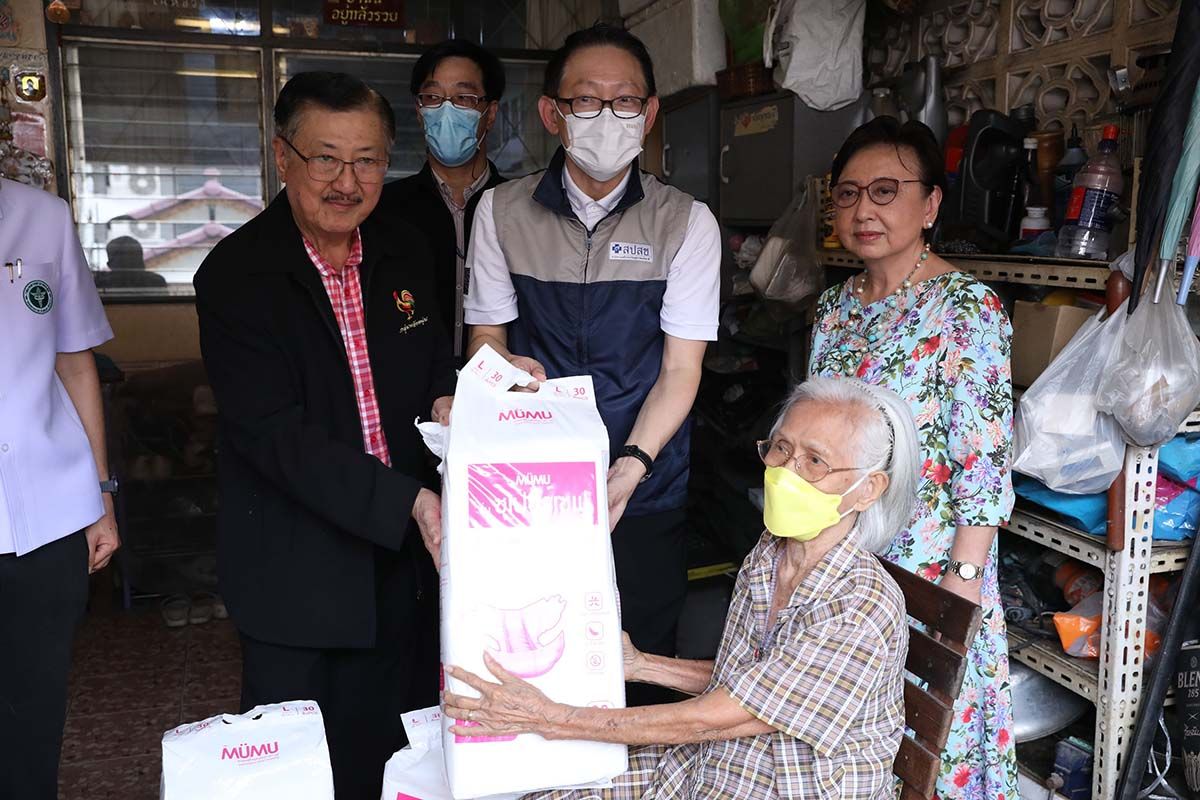
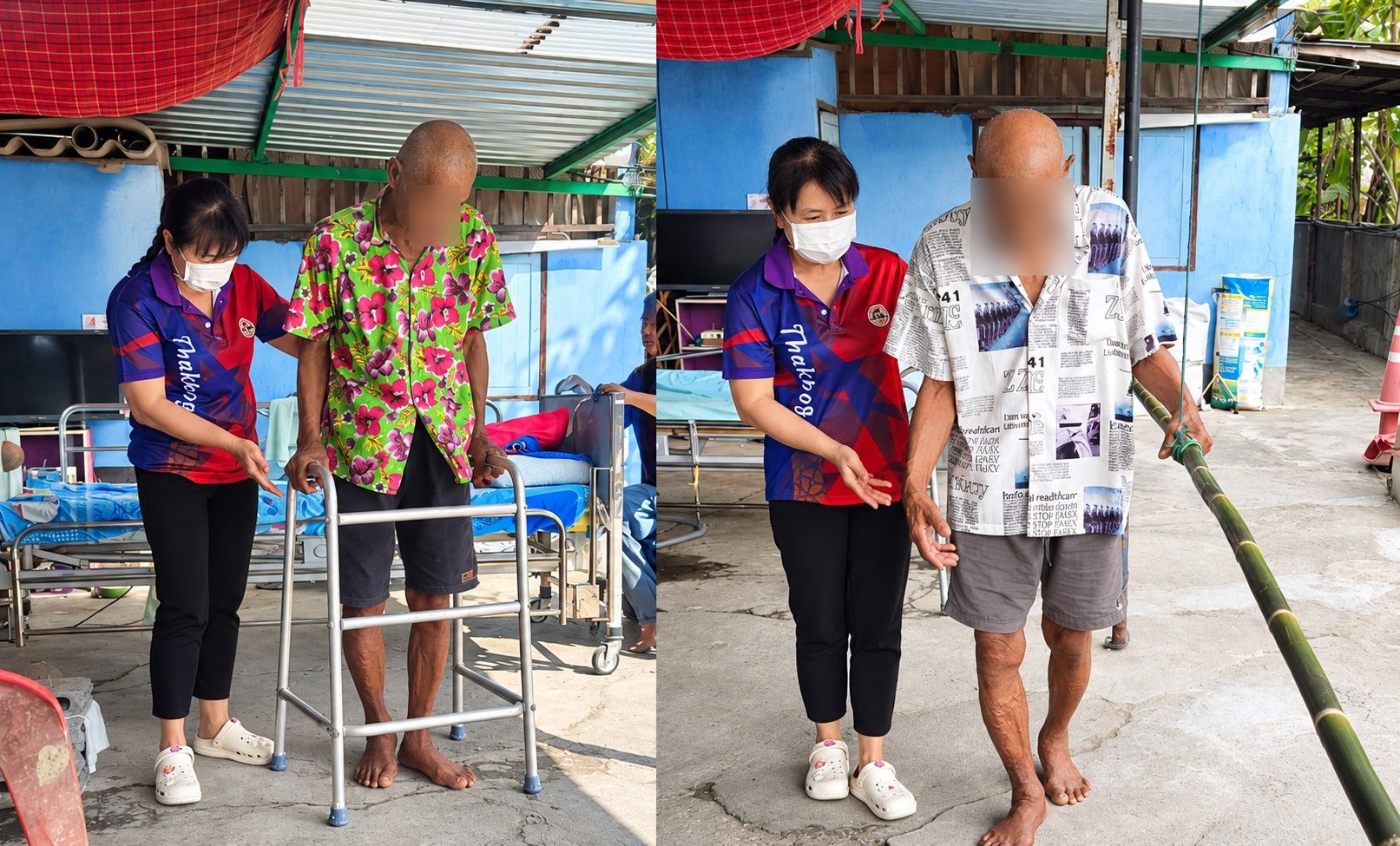
“LTC funding helps the SAO provide more systematic care for people with dependency, from assistance with daily activities and health monitoring to rehabilitation and making homes safer,” Samruay said.
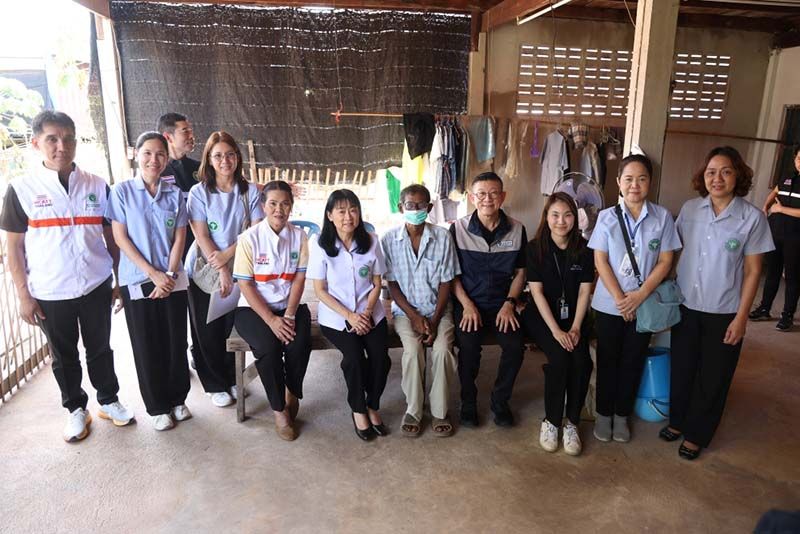
The program relies on cooperation between the SAO’s Center for Quality of Life Development for Older People, village and community leaders, local community representatives, Care Managers, Caregivers and health service providers.
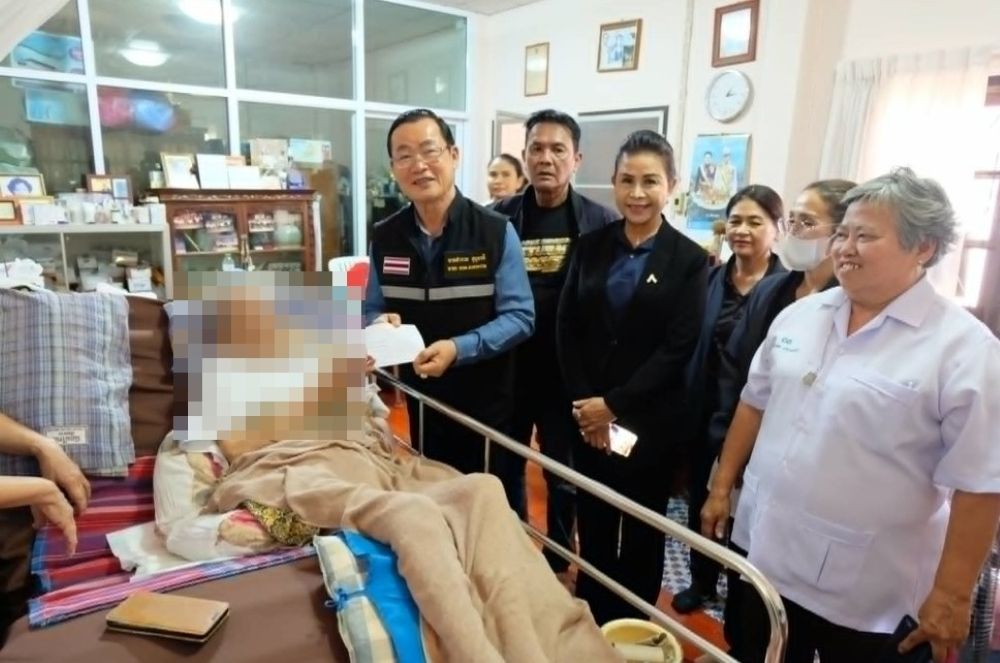
Together, they identify people who need support, collect information about their needs and conduct regular home visits. When necessary, they coordinate health services, rehabilitation and physical therapy.
During visits, caregivers help people with everyday activities while monitoring changes in their physical condition, emotions and behavior. Information is shared with families and the wider care team so that care plans can be reviewed and adjusted when a person’s condition changes.
If caregivers identify signs of illness or other abnormalities, they can coordinate with health service providers so the person can receive appropriate care.
The program also looks beyond medical needs. Caregivers provide advice on making homes safer and more hygienic, including reducing fall risks and ensuring that food, equipment and household conditions are appropriate for the person’s needs.
Waste and refuse generated through caregiving are also addressed, particularly for people with difficulties related to elimination, to reduce the risk of infection and other complications.
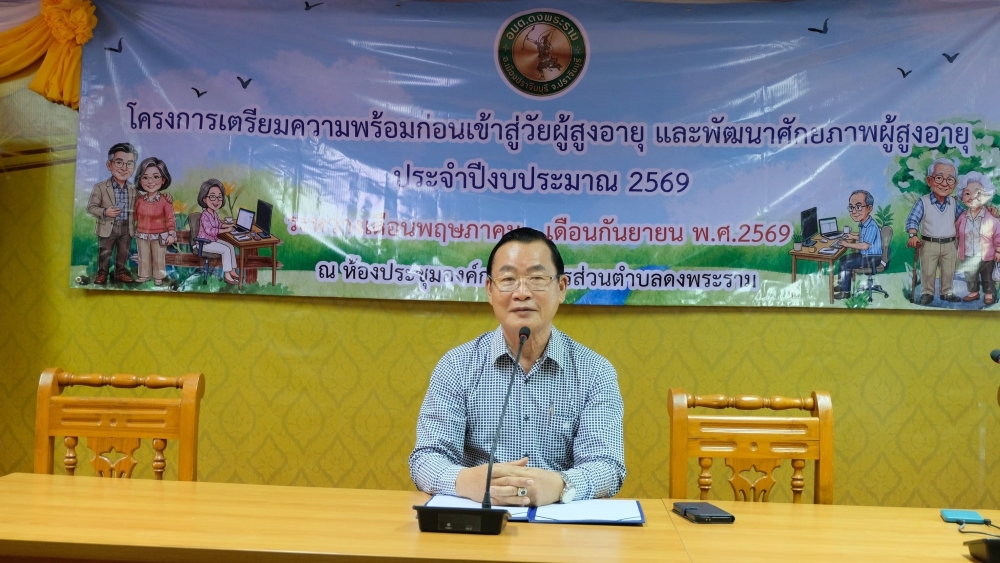
“Caring for people with dependency requires people in the community who know the families and understand the local context,” said Samruay.
Regular home visits, he said, give older people and their families greater confidence because caregivers can provide assistance, monitor their condition and coordinate health services when needed.
“Most importantly, it ensures that people with dependency are not left to live alone without support,” he said.